Banks tipping November rate hike after ‘hot’ inflation
Jacob Shteyman |
Economists are rethinking their interest rate forecasts after a hotter-than-expected Australian inflation print.
The consumer price index came in at 3.5 per cent on an annual basis after a one per cent increase in the month of July, the Australian Bureau of Statistics reported on Wednesday.
Although that was below the 3.8 per cent annual figure in June, and the lowest level since November, it still exceeded consensus forecasts of 3.3 per cent.

Worryingly for the Reserve Bank, trimmed mean inflation – a measure of underlying inflation that strips out volatile items – held steady at 3.6 per cent.
Consensus expectations were for a decline to 3.5 per cent.
The inflation figures were a “hot mess”, Deloitte Access Economics partner Stephen Smith said.
The fall in the annual headline rate was largely the result of distortions from regulated power prices and energy rebates causing electricity price growth to fall from 22.4 per cent to 6.1 per cent.
“These policy interventions are making it more difficult to clearly understand price pressures in the economy,” Mr Smith said.
But the trimmed mean remains above the RBA’s two to three per cent target band and will keep the central bank on high alert, he said.
ANZ was the first of the big four banks to change its rate call, tipping a rate rise in November, while NAB’s economics team placed its call for no more rate hikes under review.
Minutes from the RBA’s August meeting, released on Tuesday, showed the board was concerned about upside risks to inflation.
“In light of today’s inflation data, these risks are closer to crystallising,” said ANZ economists Adam Boyton and Jack Chambers
The hot data print put inflation on track to exceed the Reserve Bank’s forecast of 0.9 per cent for the September quarter, NAB senior economist Taylor Nugent said.
Deutsche Bank’s chief economist for Australia, Phil O’Donaghoe, changed his rate call from a prolonged hold to a hike at the next RBA meeting in September.
“Trimmed mean inflation in July 2026 was intolerably high,” he said.
“While the RBA remains focused on the quarterly CPI, we see little to be gained by delaying a hike until the November meeting, though we acknowledge that more dovish members of the board may be tempted to do so.”
From pricing in a less than one-in-two chance of a rate hike by November on Wednesday morning, money markets were implying a 78 per cent chance by the afternoon.
Housing was the largest contributor to inflation, up five per cent, ABS head of price statistics Rachael McCririck said.
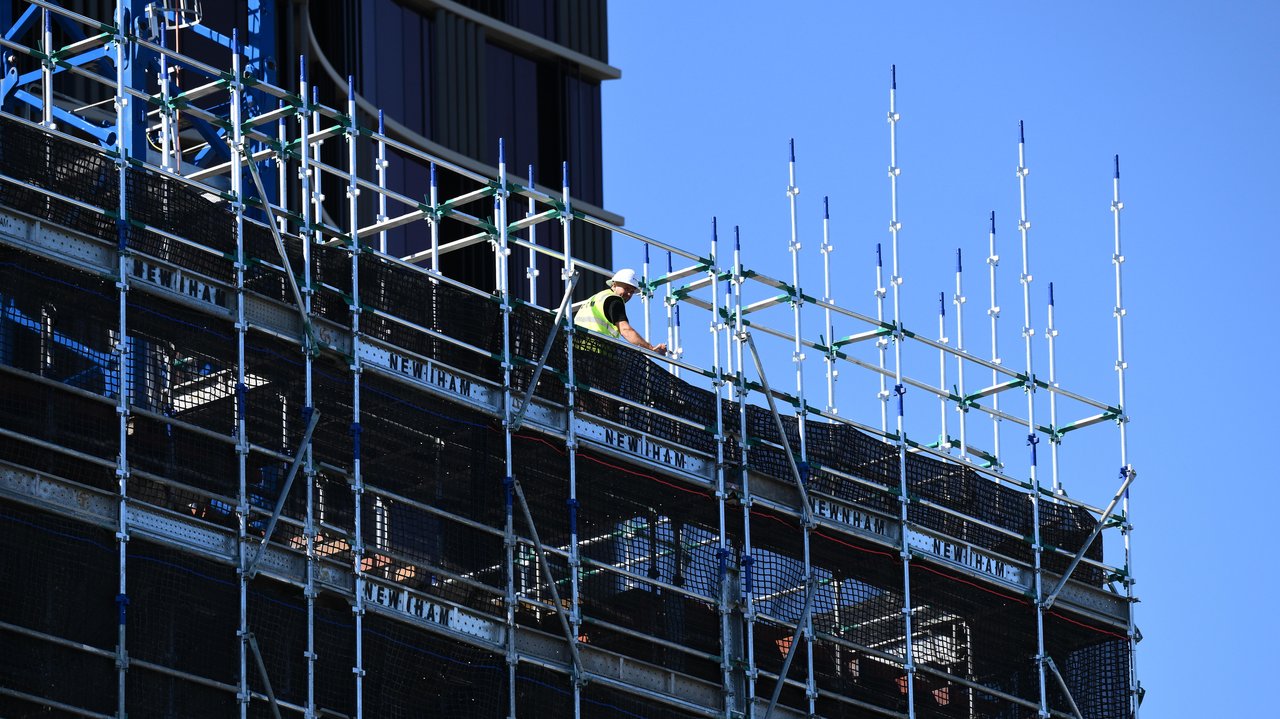
“New dwellings prices rose 5.7 per cent in the 12 months to July as builders passed on higher costs for materials and labour,” she said.
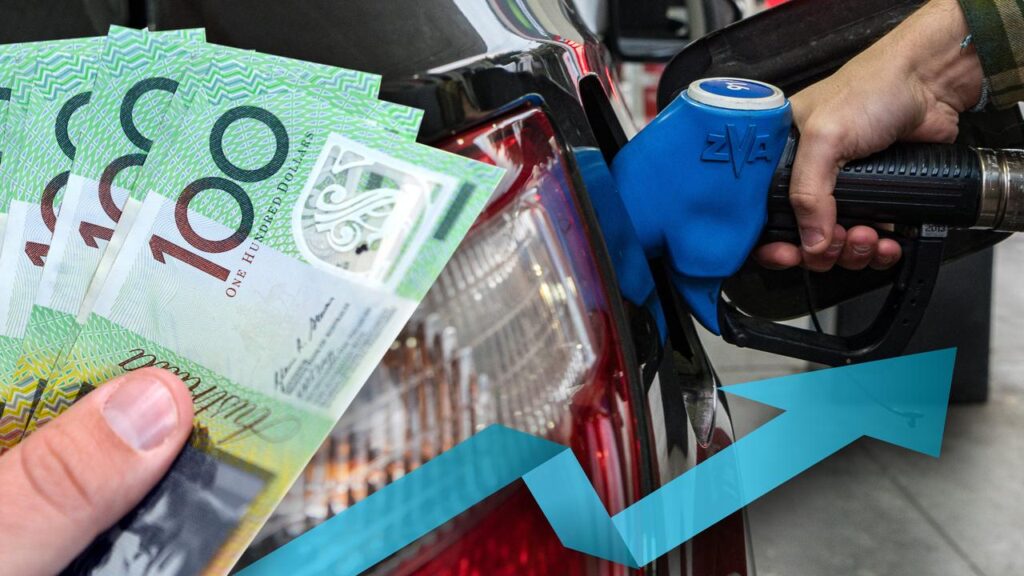
Fuel prices rose 7.5 per cent in the month after falling for three months in a row, driven by higher oil prices and an additional 16c added back onto the fuel excise.
Food and non-alcoholic beverages were also strong contributors in the month, rising 3.2 per cent, as well as recreation and culture, which rose 2.6 per cent.
Treasurer Jim Chalmers said the fact inflation has moderated for four months in a row was a “promising result” given global economic uncertainty.
“Inflation has come down considerably, it’s already substantially lower than forecast at budget time, but we know it’s still too high and it will bounce around in the coming months on its way back to the target range,” he said.
There was better news for housing supply, with residential construction up 8.1 per cent to $109.3 billion in 2025/26.
The signs were positive for dwelling commencements near term, with a growing backlog of houses under construction and strong apartment tracking supporting activity through 2026/27, Michael Dyer, an economist for Oxford Economics Australia, said.
AAP