Early days but a door is opening for first home buyers
Jacob Shteyman and Will Nicholas |

A dive in new home loans to property investors is an “encouraging sign” Labor’s changes to negative gearing and the capital gains discount are working as intended, Treasurer Jim Chalmers says.
The number of investor loans fell 8.6 per cent in the June quarter, while first home buyer loans fell just 2.9 per cent, according to data released by the Australian Bureau of Statistics.
While lending had started to retreat before the May budget, the figures were more proof that the tax changes were helping first home buyers get a foothold in the housing market, Dr Chalmers said.
“It’s early days but these figures are an encouraging sign that the market is shifting in favour of first home buyers,” he said in a statement on Friday.
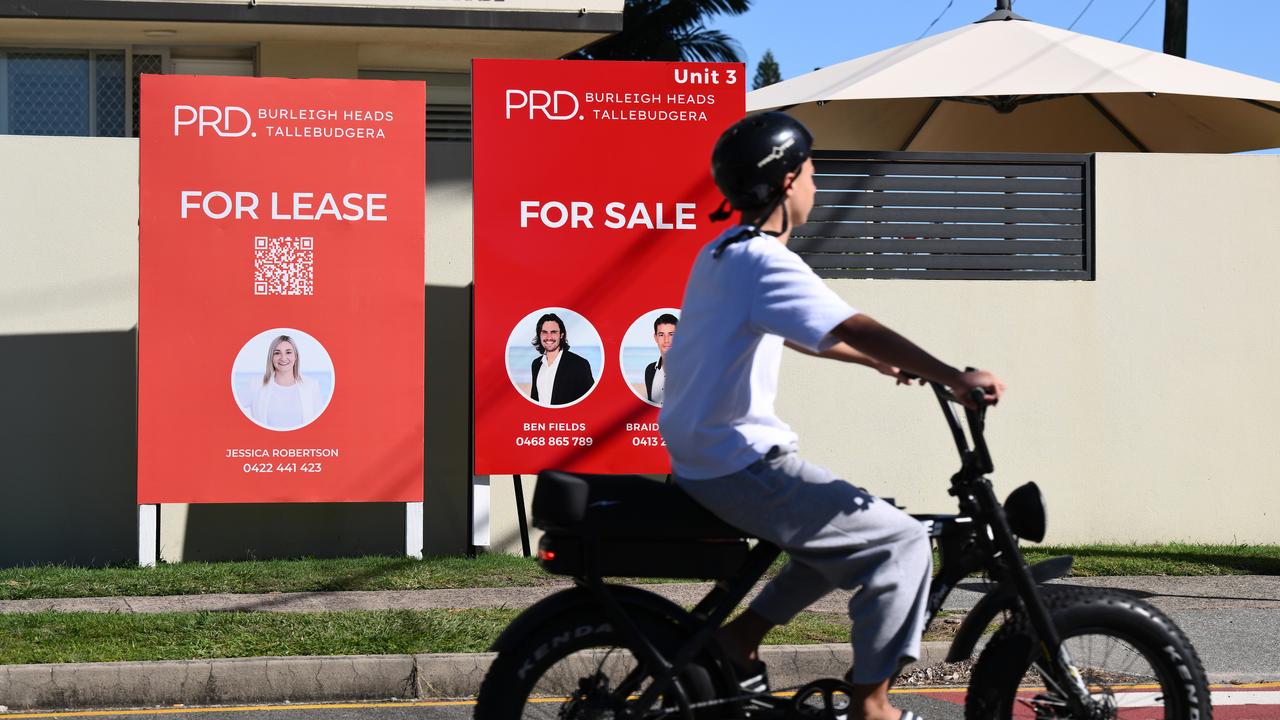
The slowdown in investor loans deepened from the 4.7 per cent fall in the March quarter, in which the Reserve Bank raised interest rates twice.
But the drop in first home buyer lending was smaller than the 3.6 per cent decline in the three months to March.
Overall, lending was back to a similar level as the same time a year prior, ABS head of finance statistics Mish Tan said.
“Lending conditions continued to change in the June quarter, with the Reserve Bank of Australia increasing the cash rate for the third time in 2026,” Dr Tan said.
“Changes to negative gearing and capital gains tax were also announced in the federal budget in May, to commence in July 2027.”
AMP chief economist Shane Oliver said there were likely further falls in finance commitments ahead.
“The budget was only in the middle of the quarter and reports from the major banks indicate a 15-20 per cent slump in mortgage applications since May (with one report of a 28 per cent fall from investors),” he said.
“This is consistent with other indicators of a downturn in the property market. Fortunately, finance commitments for dwelling construction still rose for now.”
Capital city home values are already down 2.8 per cent from their peak, according to data provider Cotality.
But economists at ANZ Bank have forecast a peak-to-trough fall of more than 10 per cent.
Even if house prices go into a tailspin, most markets would only fall back to levels seen a few years prior, given the large run-up in values since 2020.
“If you’ve been a home owner in any of those mid-sized capitals for an extended period of time, you’re actually in a very strong position to withstand a pullback,” Cotality research head Gerard Burg told AAP.
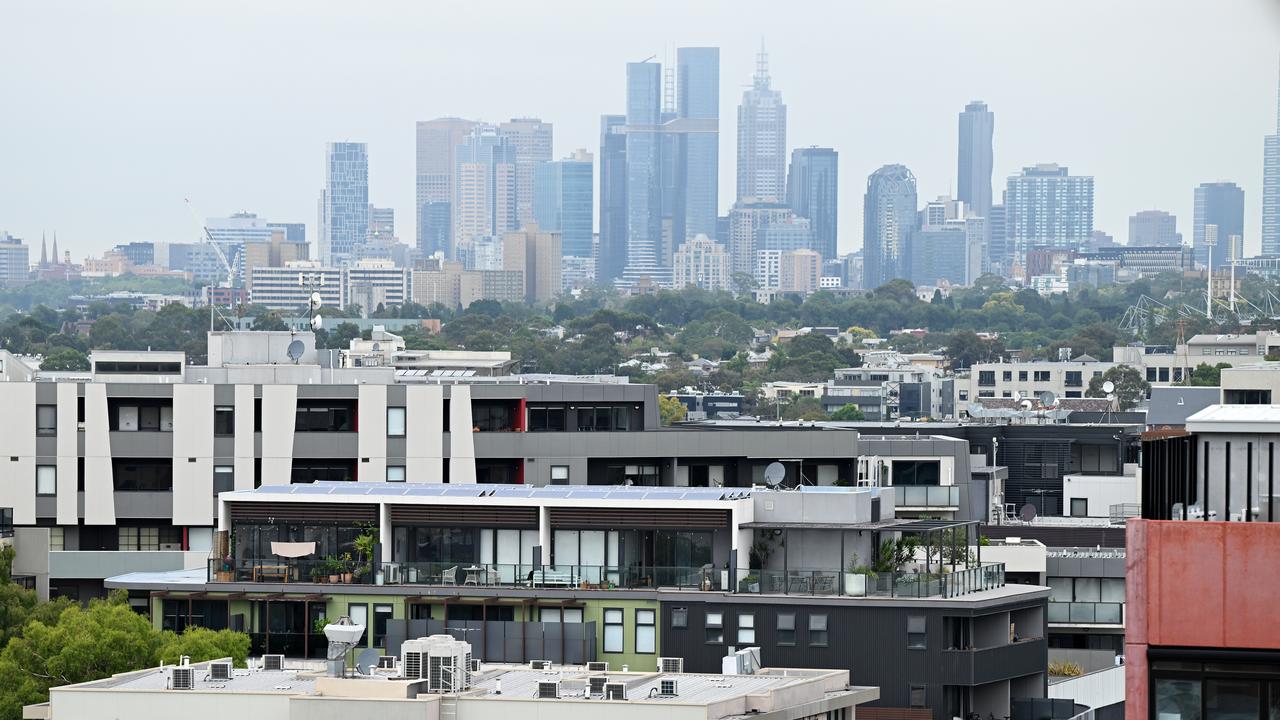
Brisbane, Perth and Adelaide – where prices have surged in the post-pandemic years – might barely notice an extreme plunge of 20 per cent; their markets only being knocked back to April 2024 at the earliest.
“Growth over the last five years has really been led by those mid-tier capitals,” Mr Burg said.
“A sizeable decline in these markets for a large chunk of people really is not a huge imposition.”
But a 20 per cent downturn would reset Melbourne’s house prices to where they were in June 2017, when its median dwelling value was about $675,000.
Stronger growth in Sydney means a 20 per-cent slump would only set its market back to where it was in May 2021, when the average property fetched about $1.05 million.
AAP