Fuel diplomacy sends Australia’s trade surplus tanking
Jacob Shteyman |
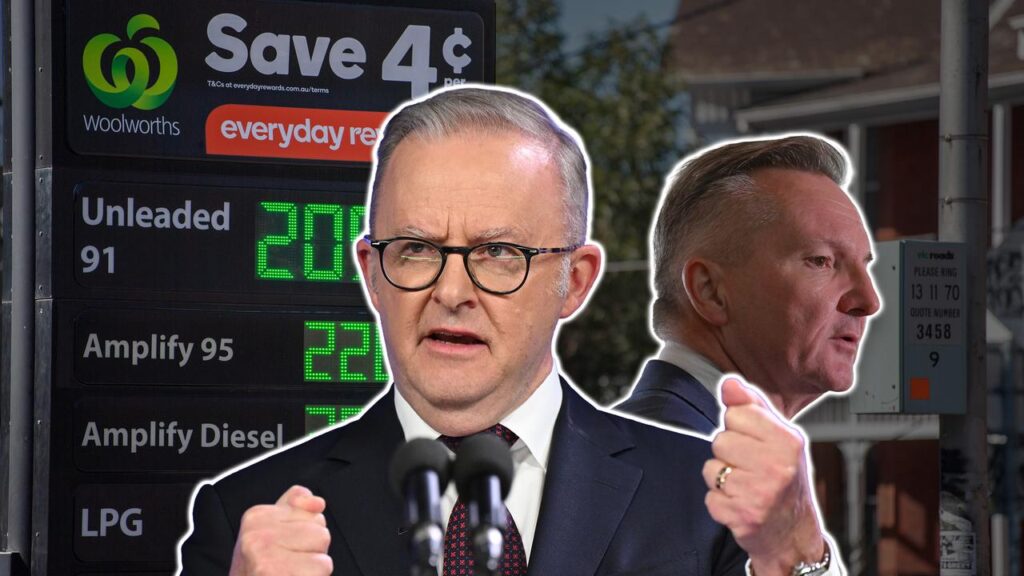
Australia has recorded its lowest quarterly trade surplus in almost a decade as the federal government raced to secure fuel cargoes during the Middle East oil crisis.
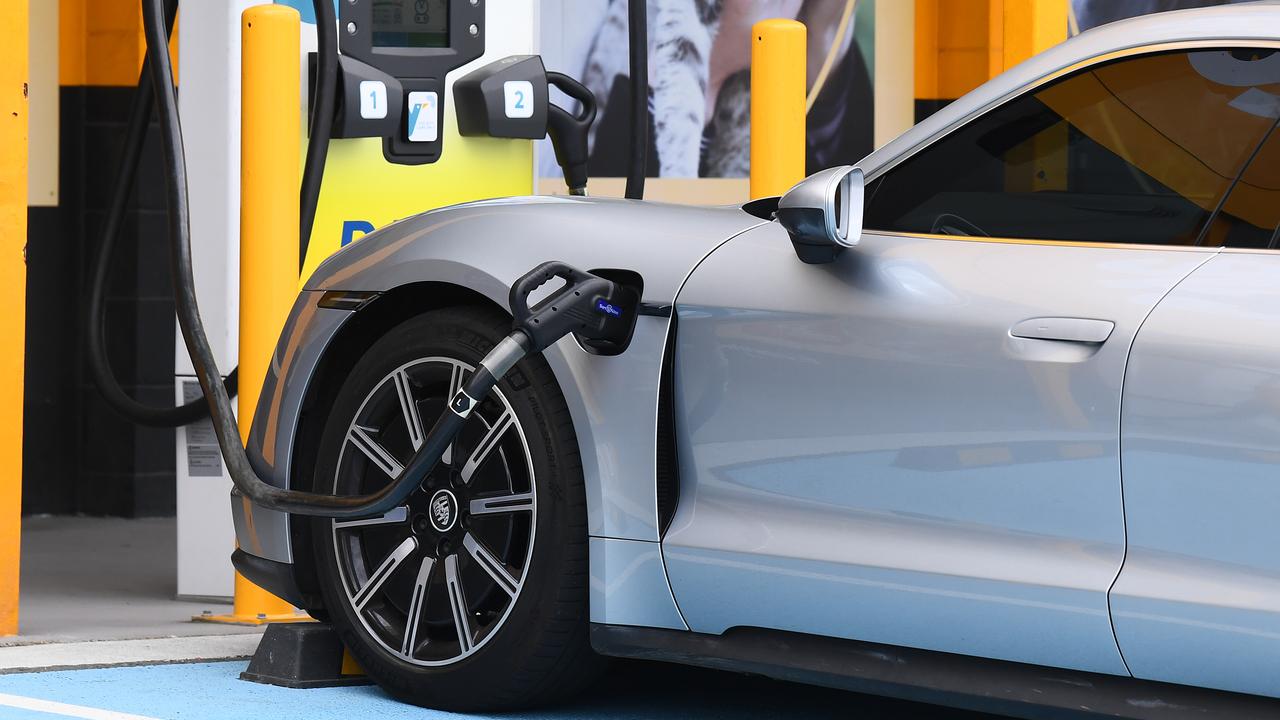
Electric vehicle imports also surged as the US-Iran conflict drove up petrol prices and sent motorists flocking to Chinese manufacturers like BYD.
The jump in imports narrowed Australia’s goods trade surplus to $1.1 billion in the June quarter, the lowest figure since 2017, Australian Bureau of Statistics figures showed on Thursday.
The Albanese government’s deal-making blitz to secure supplies from Australia’s fuel trading partners was evident in country-specific data.
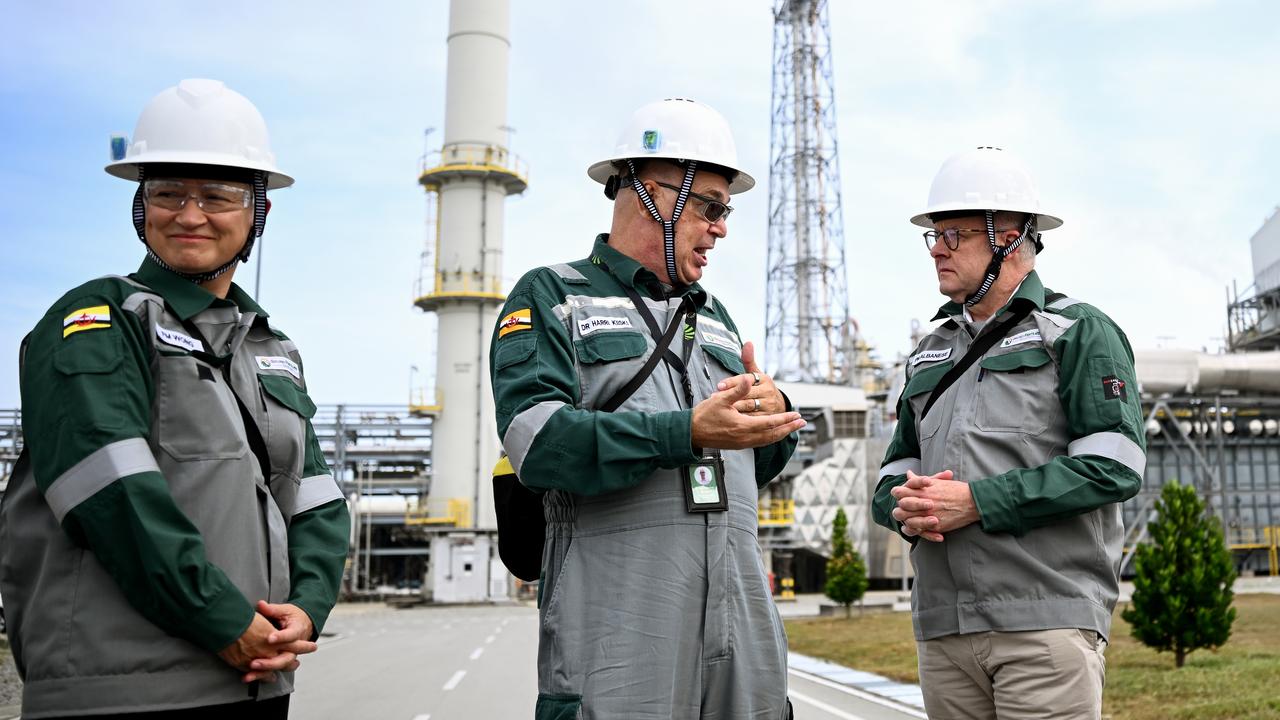
Over the quarter, total imports rose 77.5 per cent from South Korea ($4.7 billion), 63.6 per cent from Malaysia ($2.7 billion), and 60.5 per cent from Brunei ($0.7 billion), said Commonwealth Bank economist Harry Ottley.
Imports from Nigeria rose from basically nothing to almost $600 million.
“Car imports also rose materially in the quarter (28.2 per cent), likely reflecting the surge in demand for electric vehicles,” he said in a research note.
Battery electric vehicle sales more than doubled in the June quarter to 69,414, data from the Australian Automobile Association showed.
On the other hand, imports of automated data processing (ADP) equipment – including equipment used to fit out AI data centres – fell by more than a quarter in the three months to June following a surge at the start of 2026.
Telecommunications equipment imports, which also include equipment for data centres, were broadly flat.
“Together, these moves point to an easing in data centre investment momentum in the June quarter,” said Westpac senior economist Pat Bustamante.
Still, ADP imports were more than a quarter higher than a year prior.
Despite the decline in the quarterly trade surplus, the trade balance increased $4.3 billion in the month of June, above forecasts.
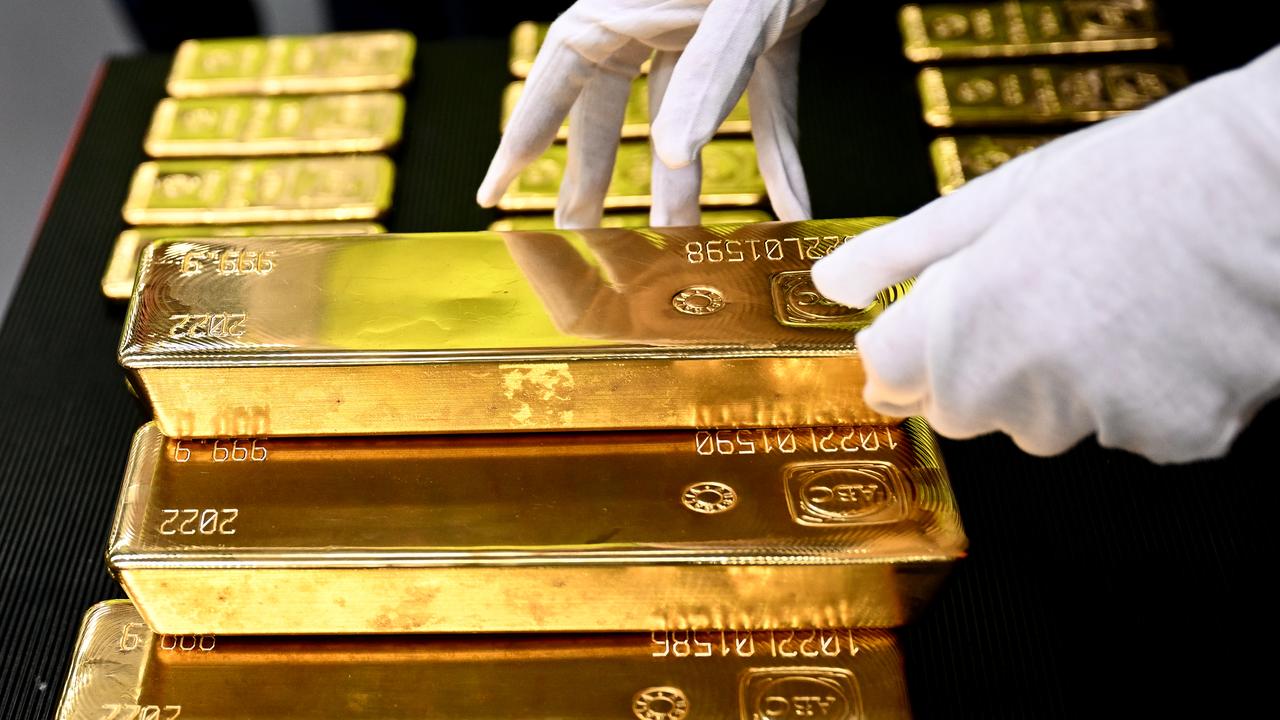
That was largely driven by a 60 per cent jump in non-monetary gold exports, reversing a 35 per cent decline in May.
Justin Lin, investment strategist at ETF platform Global X, said gold overtook coal to become Australia’s second-largest export, despite the price of the precious metal remaining about 20 per cent below its all-time high.
Gold miners surged on the Australian stock exchange, while copper miners also extended gains as the industrial metal remained near record highs.
“As volatility returns to the AI hardware trade, investors may also be viewing Australia as something of a safe harbour, given the local market’s relatively limited exposure to the sector,” Mr Lin said.
AAP