Perfect mix: stage set for ‘maximum’ bird flu damage
Andrew Stafford |
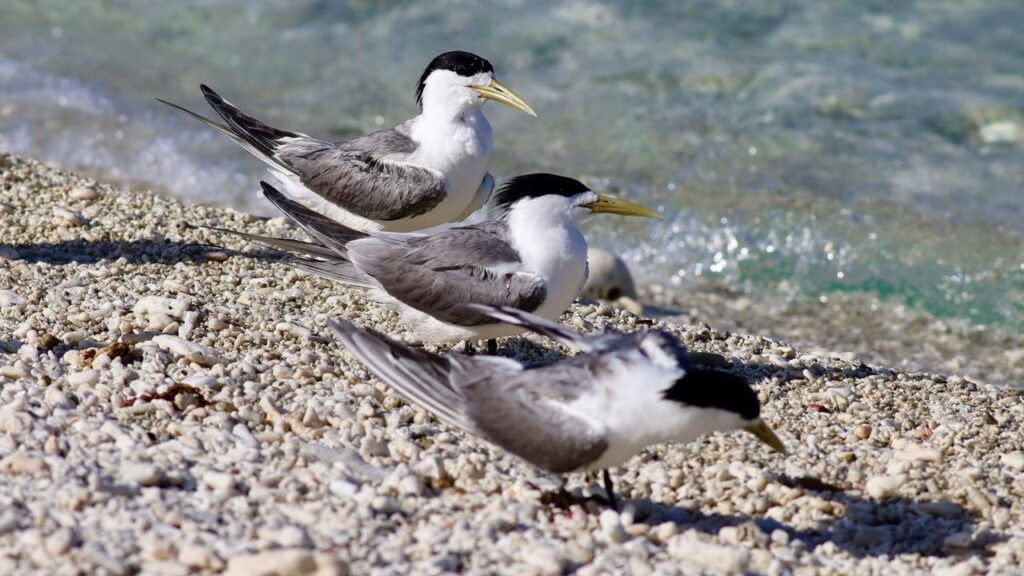
An escalating bird flu outbreak is poised to cause “maximum damage” following confirmation of Australia’s first mass mortality event.
The mass mortality event was confirmed on Monday after a large group of dead and sick greater crested terns at Baudin Rocks, in South Australia, tested positive for the virus.
Six new cases were also confirmed in Victoria while a cluster of sick and dead crested terns found in the state’s southwest underwent further testing.
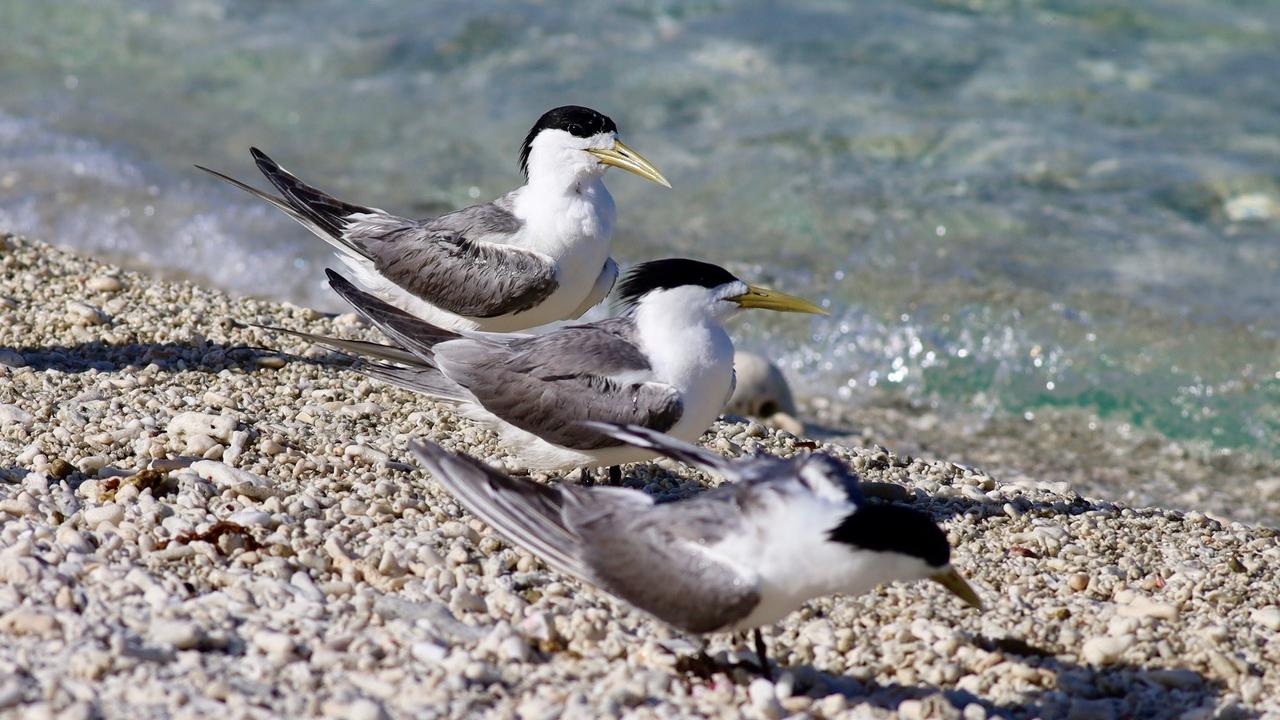
It bumped the national tally up to 78 – including 58 in SA alone – with a further 49 suspected cases.
SA Environment Minister Emily Bourke confirmed another case from a petrel found on the Coorong at the mouth of the Murray River, increasing the likelihood of the virus spreading inland.
“That location is of concern, because it is where waterbirds are also located,” she told reporters in Adelaide.
“So it’s going from seabirds potentially now into where we know a lot of waterbirds are nesting and using this place as a safe haven.”
An expert said the concentration of sick and dying birds close to the Murray River’s mouth in SA, along with the beginning of the migration season and an encroaching El Nino, looked set to trigger a major outbreak.
“It’s the perfect mix for the virus to spread and do maximum damage,” BirdLife Australia’s Sean Dooley told AAP.
“Terns are known to come into roost on the Coorong and also on the lakes around Robe (SA), but silver gulls are the ones that are going to move it around.”

Silver gulls, which readily feed on carrion and are abundant in urban areas, posed the greatest threat, he said.
A gull found near Robe, in SA, tested positive for the virus on Saturday.
He said waterbirds, which tended to congregate and breed in large flocks, were at most immediate risk.
The threat is expected to increase as a predicted super El Niño year tightens its grip on the landscape, bringing hot and dry conditions.
“Even though there’s been lots of floods in the outback, once everything starts to dry out you’ll get concentrations of waterbirds in dwindling numbers of viable wetlands,” Mr Dooley said.
“They become potential super-spreader events.”
He said pelicans – which are currently breeding in Kati Thanda-Lake Eyre – had the capacity to spread the virus into the heart of the continent.
Pelicans are among the birds most impacted overseas, with the Peruvian pelican suffering a 40 per cent decline in numbers.
Mr Dooley said genetic testing had also been done on black swans, which are unique to Australia.
It revealed the species was completely naive to the virus, leaving it at extreme risk.
Other suspect cases were being reported away from the cluster around the Limestone Coast, SA Chief Veterinary Officer Skye Fruean said.
Environment Minister Murray Watt warned of a “long, difficult journey” ahead, saying the virus’s spread would be confronting and cause significant damage to Australian wildlife.
“The reality is you can’t stop native and wild birds flying around, you can’t stop wild animals moving around, and that will mean more mass mortality events like the one we have now seen,” he said in Canberra.

The poultry industry is also at significant risk, with Federal Agriculture Minister Julie Collins not ruling out an outbreak.
The World Organisation of Animal Health estimates bird flu has resulted in 140 million dead or culled poultry worldwide.
Ms Collins said Australia had learned from its experience eradicating H7 bird flu after outbreaks in 2024 and 2025 as it prepared for the latest spread.
The Commonwealth has invested more than $113 million in preparedness and responses.
However, Ms Collins could not put a dollar figure on the likely total cost to the economy.
She said the cost of eradicating H7 was about $110 million.
Authorities said there was minimal risk to human health from bird flu.
AAP