‘Jobs not war’: Labor rank and file rail against subs
Andrew Brown |
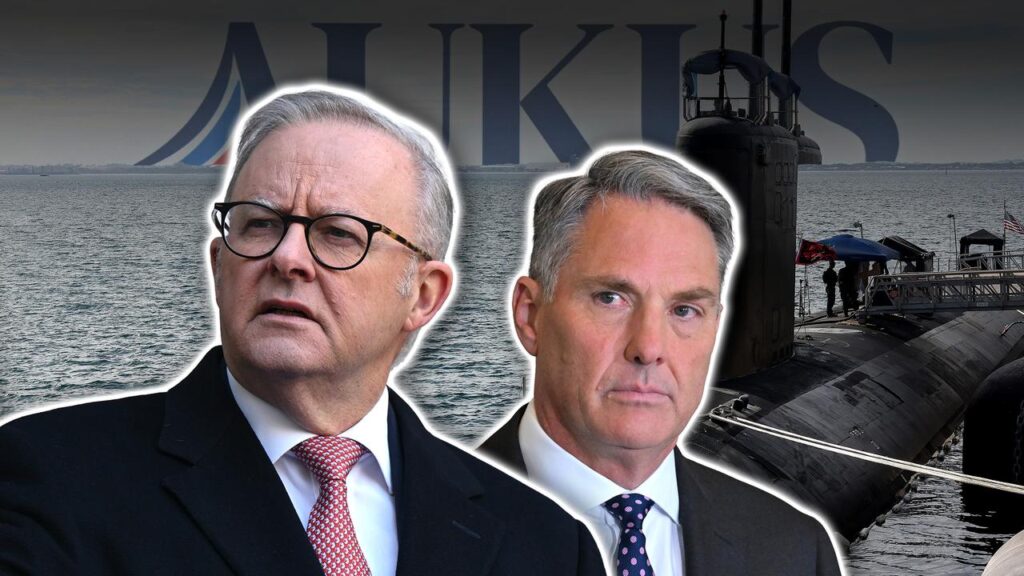
Tensions over support for AUKUS have risen to the surface of Labor’s policy summit, while bread and butter issues for the party were thrashed out on the conference floor.
Day two of Labor’s national conference in Adelaide coincided with the federal government announcing $4.6 billion for nuclear submarine construction at Osborne in South Australia.
The construction yard will be used to build the nuclear-powered vessels as part of the $368 billion AUKUS agreement with the US and UK.
But rank and file members want Labor to drop AUKUS from its party platform.
The submarine deal needed to be axed to free up funds for reform measures, Marcus Strom from Labor Against War said.
“If the Labor Party is serious about defeating the hot-air challenge from One Nation over lack of investment in infrastructure, it should be putting that sort of money into meaningful jobs, not jobs in the war industry,” he told AAP on Friday.
“This is a chimera of opportunity for jobs, the much better jobs, longer-term jobs in renewables, advanced manufacturing, and the health industry.”
Debate on AUKUS is expected to be held on the conference’s final day on Saturday, where foreign policy will dominate the agenda.
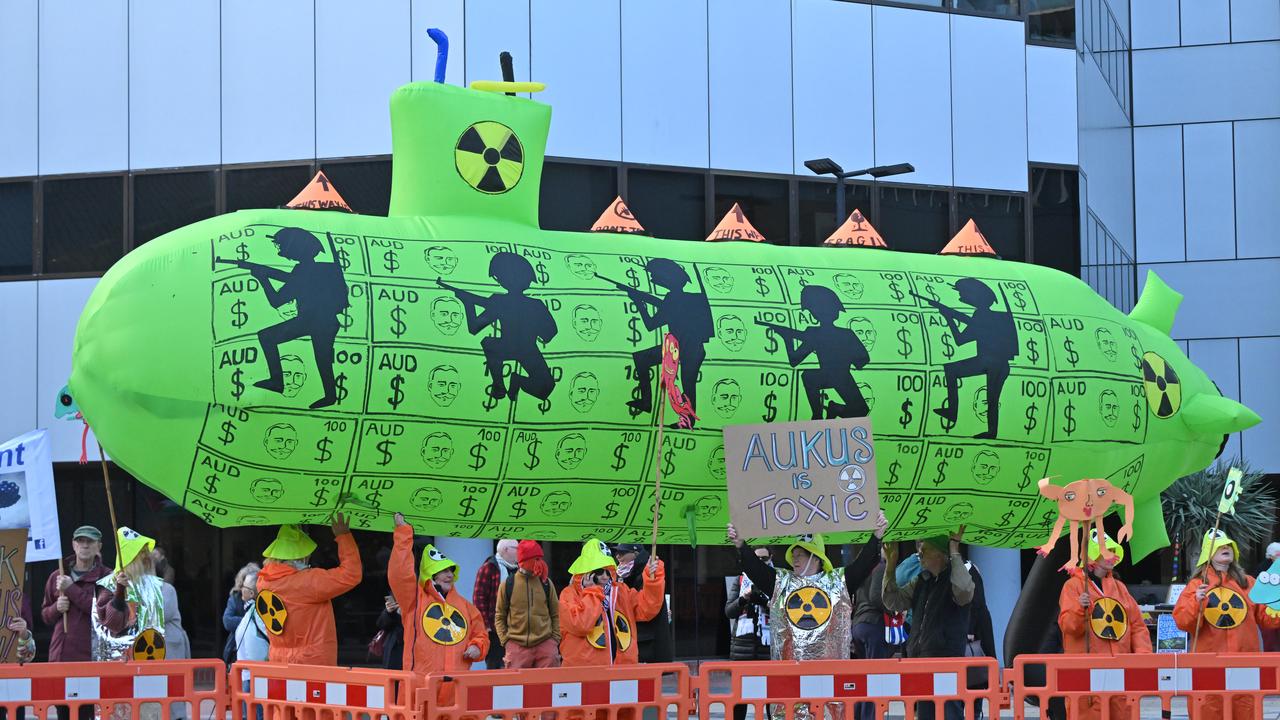
Dozens of anti-AUKUS protesters were out the front of the Adelaide Convention Centre in hazmat suits and blaring sirens, urging Labor to drop support for the pact.
It comes as traditional concerns for Labor such as workplace rights dominated proceedings on Friday.
Delegates agreed to amendments making sure workers could not be locked out by their employers after taking part in protected strike action.
Labor was also called to make changes to fair work laws to suspend disproportionate employer responses.
ACTU secretary Sally McManus issued a call to arms of Labor’s true believers saying worker rights needed to be protected.
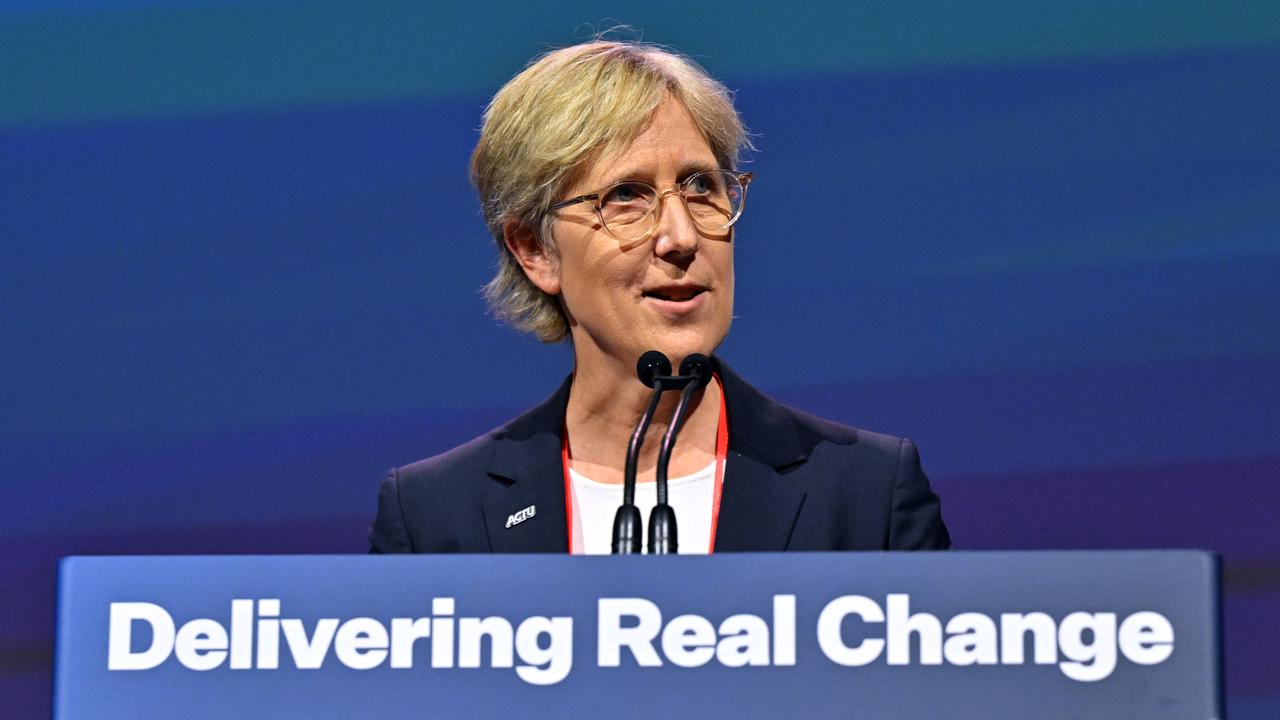
“In these David versus Goliath struggles, we are on the side of the Davids. The Davids, the Susans, the Ashers, the Nguyens, the Priyas, the Akhmeds of Australia,” she told the conference.
“We know big business will not simply share their wealth. Working people have to organise in their unions to demand it.”
Ms McManus said lockout of workers represented multinational businesses “trampling over ordinary Australians”.
“Lockouts are un-Australian. They always have been … they’re not bargaining, they’re economic coercion,” she said.
The threat of One Nation has loomed over the national conference, with delegates urging Labor to put in policies to head off Pauline Hanson’s party at the next election.
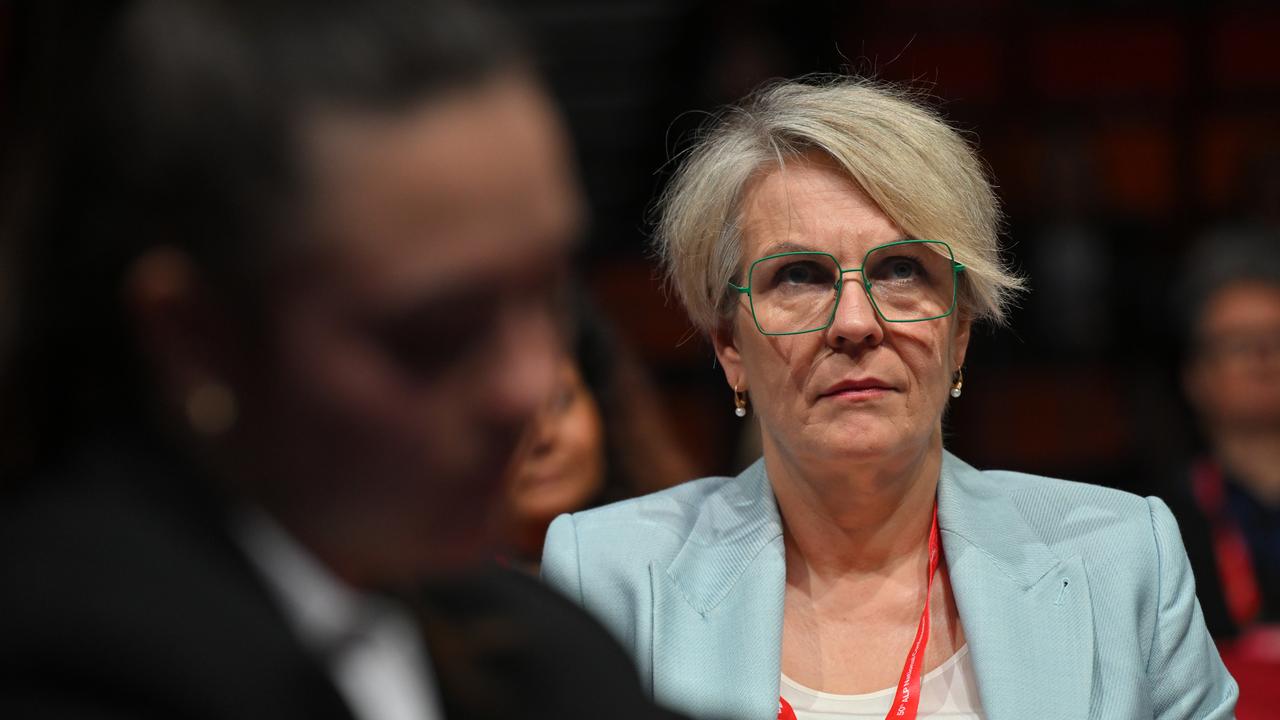
Multiple ministers and delegates used speeches to the conference to warn of a potential One Nation government, including Social Services Minister Tanya Plibersek.
“We have to defend our wins from the people who would take us backwards,” Ms Plibersek said.
“Just this week, Pauline Hanson described domestic violence against women as a two-way street.”
One Nation was the “new kids on the block” with many of its policies unknown and untested, Health Minister Mark Butler said.
“The anti-Labor forces will always have the same policy prescriptions: anti-worker, anti-wage increases, hostile to Medicare, and determined to divide this country rather than unite it,” he told the conference.
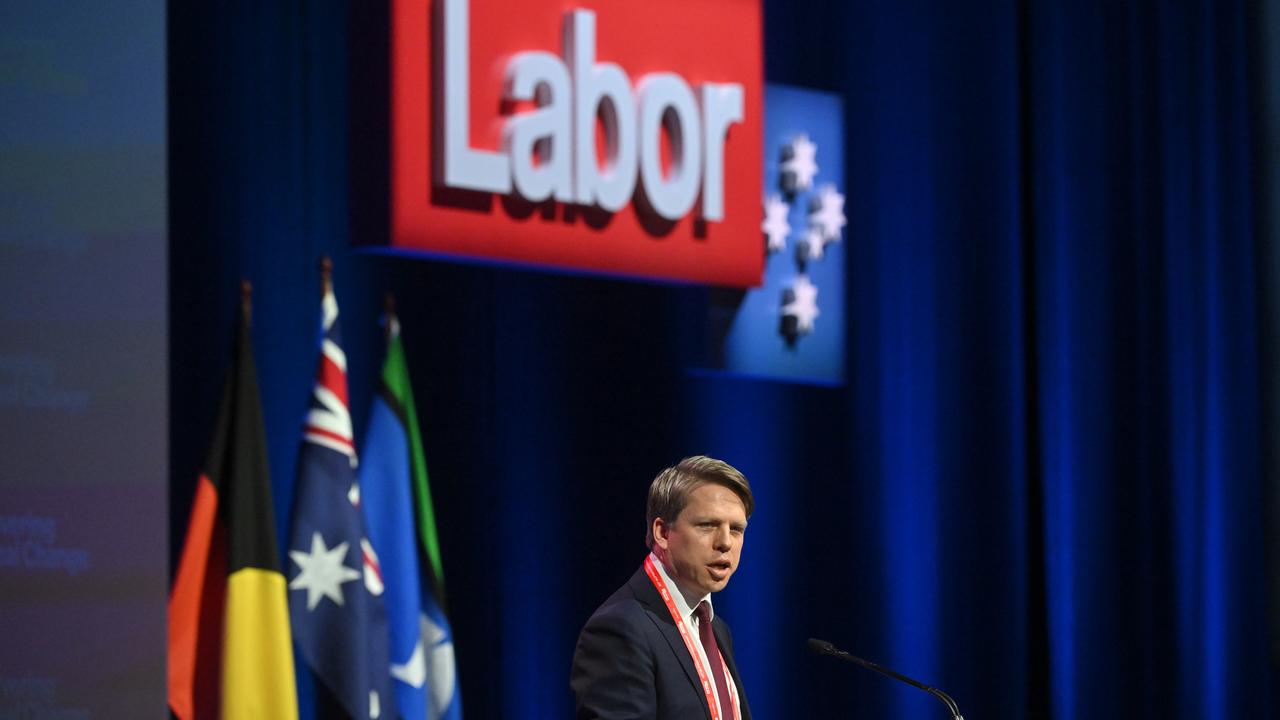
Labor national secretary Paul Erickson introduced measures to expand the party’s base to make it more competitive against One Nation and the coalition at the next election, due by May 2028.
“They will broaden our party’s membership and they will make our campaign stronger,” he said.
State branches have been urged to form multicultural networks to expand the party’s diversity and membership among diaspora groups.
Gambling reform measures were also brought to the conference floor, with rank and file members urging the government to go further on the issue.
Amendments called for a national regulator to better protect vulnerable people from gambling harms.
AAP