Surprise jobs jump gives RBA room to raise rates
Jacob Shteyman |

A surge in new jobs in Australia has given the Reserve Bank room to hike rates again as escalating conflict in the Middle East reignites inflation fears.
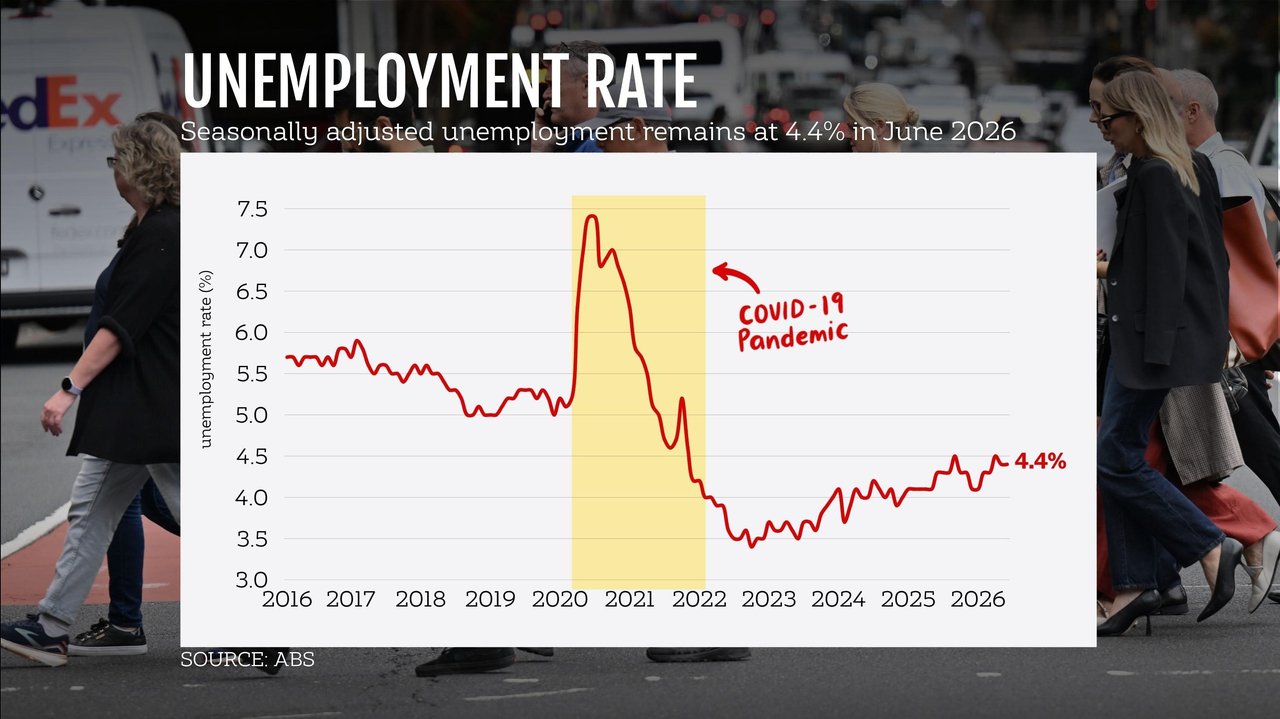
While the unemployment rate was in line with expectations at 4.4 per cent in June, a sharp rise in employment of 76,300 far exceeded consensus estimates of 15,000 new jobs.
Despite a gradual softening in the labour market over the past year, Thursday’s Australian Bureau of Statistics labour force survey painted a picture of a jobs market that remains resilient.
The surge in jobs was driven by a 47,000 person rise in part-time employment, ABS head of labour statistics Sean Crick said.
“Part of the growth in employment this month came from those who were waiting to start a job in May,” he said.
“This represents a stronger June movement than has been observed in recent years.
“We also continued to see higher numbers of people remaining employed this June, following elevated levels in the recent few months.”
The participation rate rose by 0.3 percentage points to 67 per cent – the highest level since July 2025.
It was good news for jobs continuing to be added to the economy, Employment Minister Amanda Rishworth said.
“It continues to show our government’s commitment to creating jobs and delivering jobs for Australians,” she told reporters in Adelaide.
But the good news on employment could spell bad news for mortgage holders, with the strong result giving the RBA “room to hike rates again”, AMP deputy chief economist Diana Mousina said.
“I think the RBA would view today’s jobs data as indicating that the labour market is still a bit tight – which means that wages growth will remain higher than is consistent with the two to three per cent inflation target,” she said.
With the employment side of the Reserve Bank’s dual mandate proving relatively resilient, upcoming inflation data would be the key to whether borrowers could expect more rate rises, Ms Mousina said.
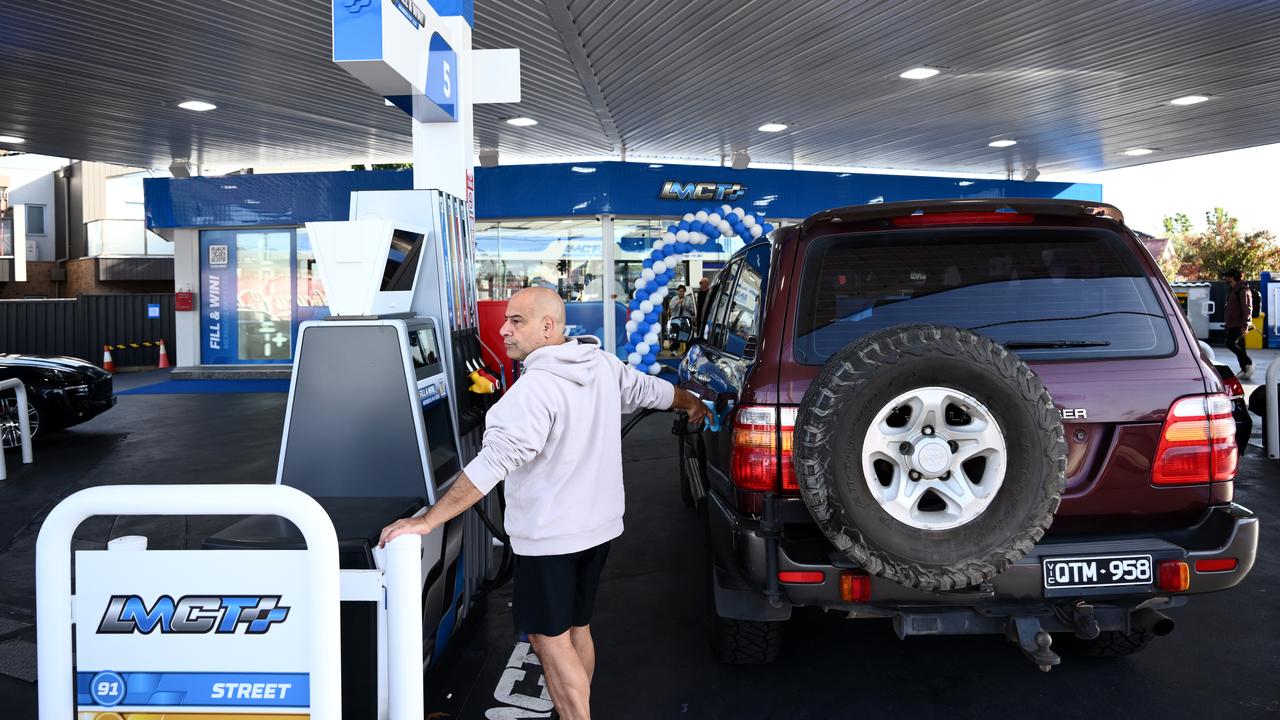
A re-escalation in the Middle East conflict in recent weeks has halted traffic in the Strait of Hormuz once more and sent the Brent oil price benchmark soaring back towards the $US100 a barrel mark.
It adds another layer of inflationary pressure through higher transport and supply chain costs, VanEck senior portfolio manager Cameron McCormack said.
Higher inflation could also hit consumer spending, diminishing hiring activity for Australian firms and posing a double-edged dilemma for the RBA.
Despite the strength in the survey, there was likely some statistical “noise” in the data, ANZ economists Aaron Luk and Jasmine Zheng said.
Changes to the ABS’s survey methodology meant the steady unemployment rate was a better signal of underlying conditions than the jump in jobs, the duo said.
“Elsewhere, other indicators continue to point to a gradual easing in labour market conditions,” they said.
“The underemployment rate rose from 6.3 per cent in May to 6.5 per cent in June, continuing its gradual upward trend, while hours worked increased by a modest 0.1 per cent over the quarter.”
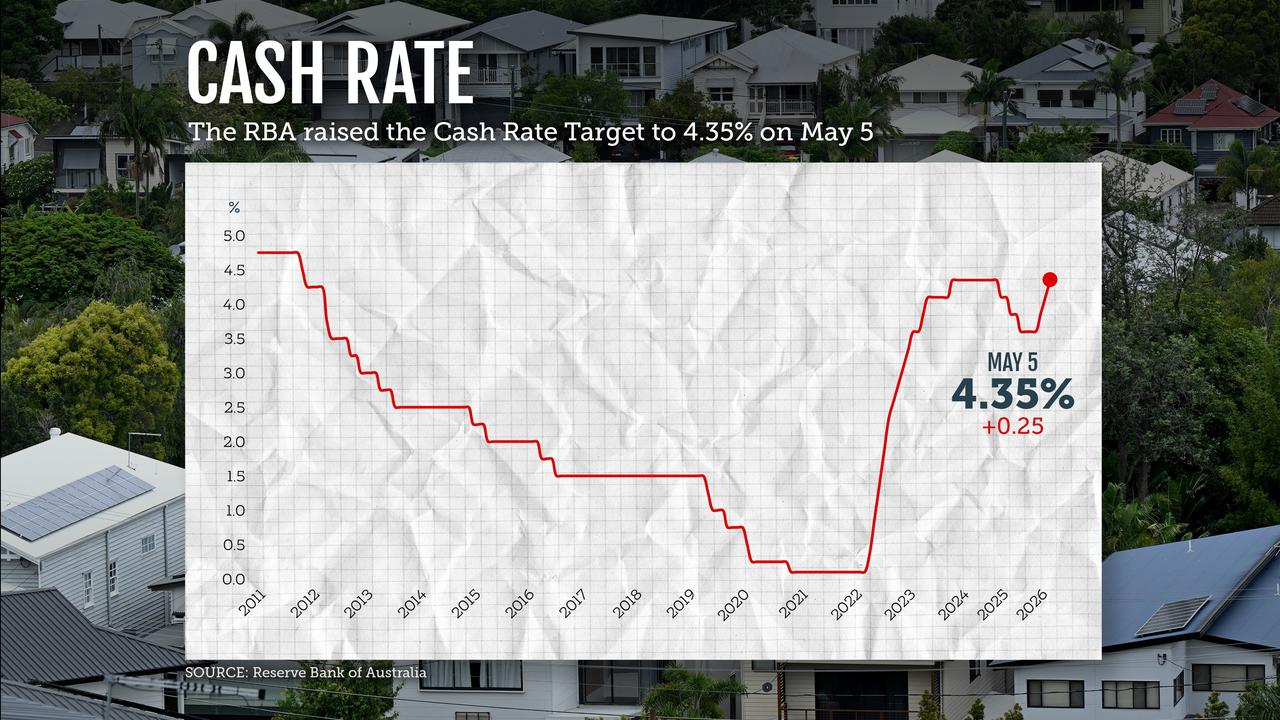
Since the Middle East ceasefire collapsed, markets have slashed the odds that the Reserve Bank could add to the three rate rises in 2026.
Before the jobs release, financial markets were pricing in the chance of an August rate hike at 25 per cent. The chance the RBA would hike once more by year-end was priced at 84 per cent.
Following the jobs report, the chance of an August hike moved to about 33 per cent and a hike by year end moved to 95 per cent, IG market analyst Tony Sycamore said.
AAP