New UK PM picks ex-defence minister as finance minister
|
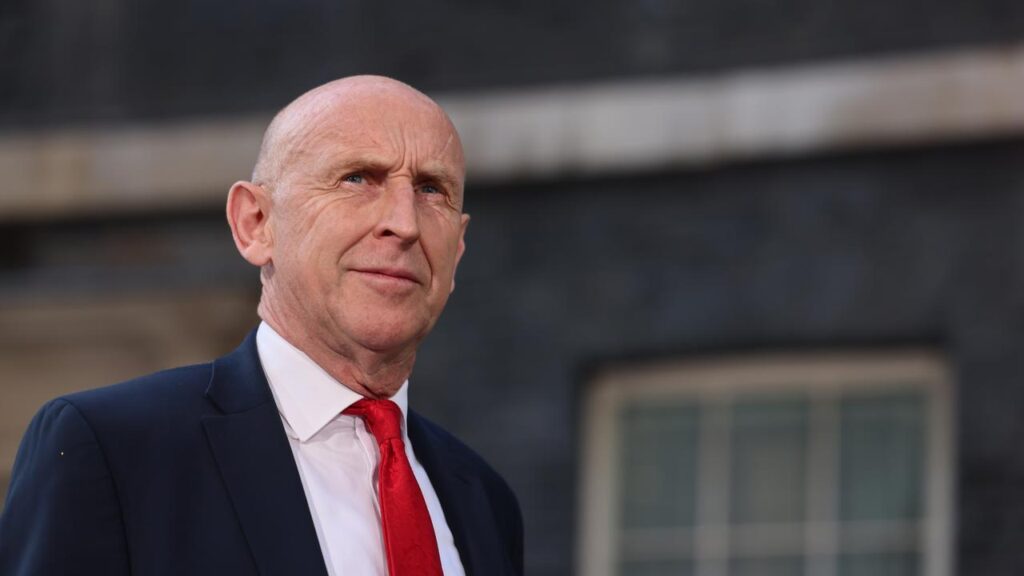
John Healey, the former UK defence minister who helped to trigger the departure of Keir Starmer by accusing him of failing to spend enough money on keeping the country safe, has been named as finance minister by new Prime Minister Andy Burnham.
Widely liked by colleagues, Healey, 66, will now have to find more money to spend on defence while also investing in other key areas such as health and welfare.
Healey had not been seen as a likely candidate for the key finance role, formally known as the chancellor of the exchequer, but he worked as a junior minister in the Treasury department from 2002 to 2007.
He served in government under the three most recent Labour prime ministers, starting with Tony Blair, and in opposition under two other leaders.
From 2002 to 2007 he worked as a junior minister in the Treasury department under Gordon Brown.
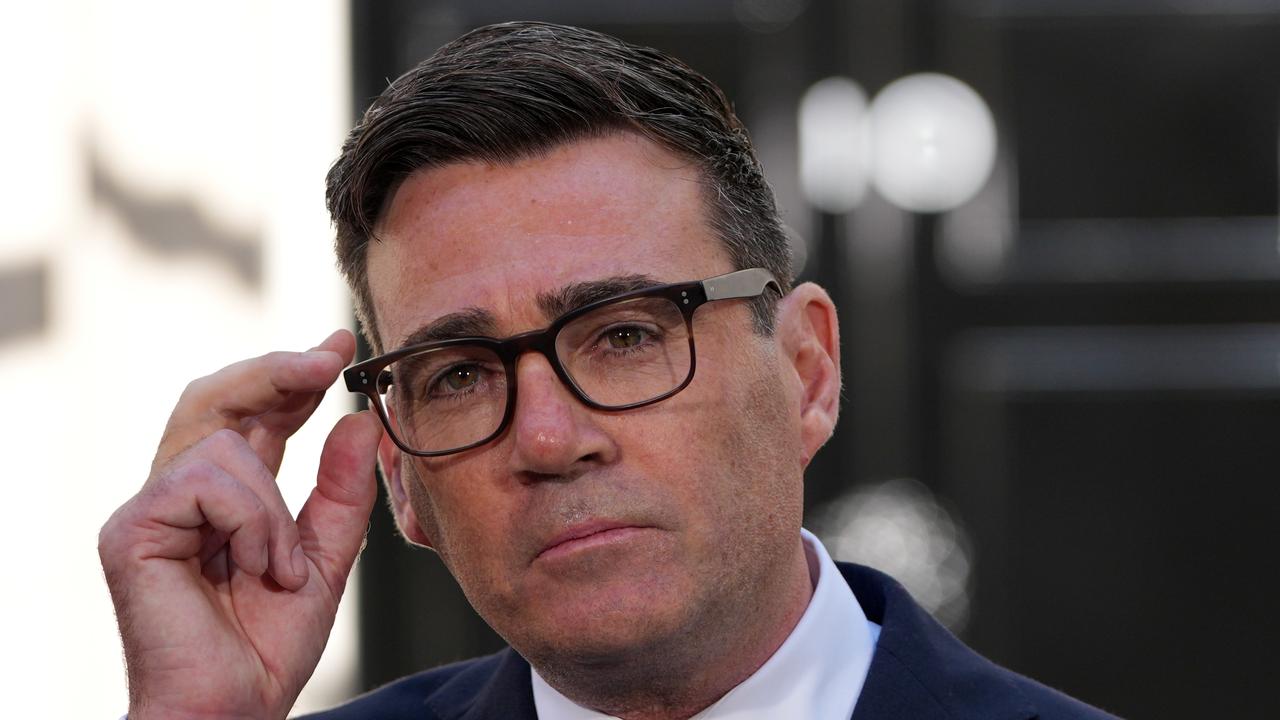
People familiar with the decision said that Healey and Burnham had similar outlooks on the need to maintain economic stability and the need to drive growth by devolving power across the country, helping people with the cost of living and building up the United Kingdom’s industrial base.
As defence minister, Healey spent months lobbying Starmer and the finance ministry to lay out a pathway to spend three per cent of GDP on defence by 2030, rather than the 2.68 per cent that the government eventually had budgeted for.
The unexpected resignation by Healey, who was a loyal ally of Starmer and one of the government’s most experienced ministers, was a significant blow to the then-prime minister, who announced his resignation less than two weeks later.
Healey said Starmer had been “unable” and the Treasury “unwilling” to find the money to keep the country safe.
There was little major market reaction to the news of his appointment and the initial reaction among analysts was positive.
“Healey brings Treasury experience and is a sign that Burnham will respect the bond markets as a check on his radicalism, rather than plough ahead with significant changes that could unsettle the fiscal position,” said Richard Carter, head of fixed interest research at Quilter Cheviot.
Earlier in the day, Burnham said he would never take risks with the economy and re-committed to a pledge to stick to the previous government’s fiscal rules.
Burnham has promised measures to help with the cost of living while sticking to the fiscal rules, chief among them a pledge to balance day-to-day spending with revenue by the end of the decade, and to election pledges not to raise taxes on working people.
Asked how he might do more while still meeting those fiscal rules and whether that meant more borrowing in order to invest, Burnham told reporters: “I think you’ve jumped ahead a bit there because I’ve said we’ll stick to … the existing fiscal rules and use obviously any flexibility within them.
“So none of this is about taking risks with the economy. I’ve never done that in any role that I’ve had. I’ve always taken a very prudent approach.”
Earlier, in his first speech outside his new Downing Street office, Burnham vowed to shake up politics as usual.
“I know people at home are fed up with politics. I hear you, and I want to be honest with you, we have not been good enough and we need to be better,” Burnham said, dispensing with the lectern that prime ministers generally use.
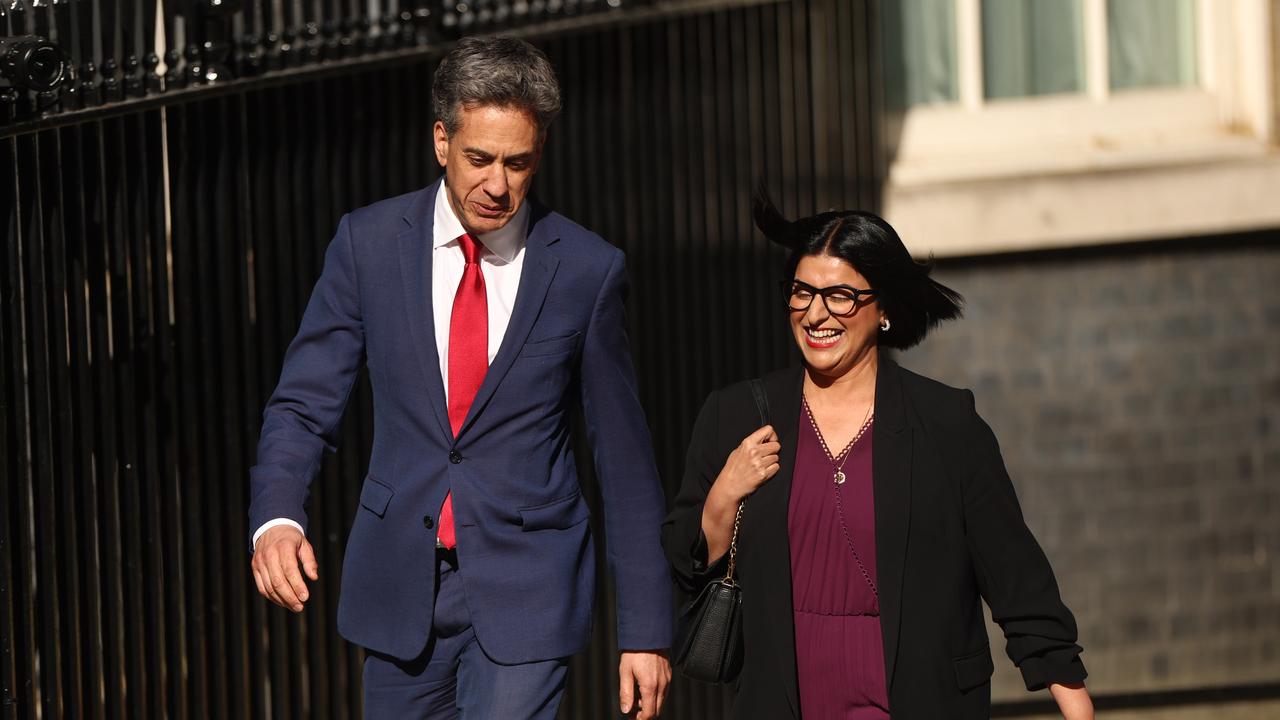
Energy secretary and former Labour leader Ed Miliband, who had once been considered a frontrunner to become finance minister, was appointed foreign secretary.
Burnham kept interior minister Shabana Mahmood in her role, meaning she could press on with her reforms to try to control illegal immigration.
Mahmood said on X the post of Home Secretary was “the best job in the business”.
with PA
Reuters