Supermarket charges ahead with electric truck rollout
Jennifer Dudley-Nicholson |
Food deliveries might sneak up on you in future after one of Australia’s major supermarkets signed a deal to add 148 electric trucks to its fleet.
The Clean Energy Finance Corporation announced a $22 million agreement on Thursday that will support Zenobe to acquire the largest electric truck fleet in Australia to date.
Woolworths will lease the light-duty trucks for grocery deliveries across NSW and Victoria, with additional vehicles expected to go into service in Queensland, Western Australia and South Australia.
The announcement comes two years after Woolworths added 27 electric trucks to its fleet and committed to making all home deliveries electric by 2030.
The Foton T5 battery-electric trucks will roll out over the next six months and make an impact on pollution and noise in local streets, Woolworths last mile group director Sarah Pike said.
“These EVs will help keep suburban streets quieter and cleaner, and make the weekly grocery shop greener for Aussie families,” she said.
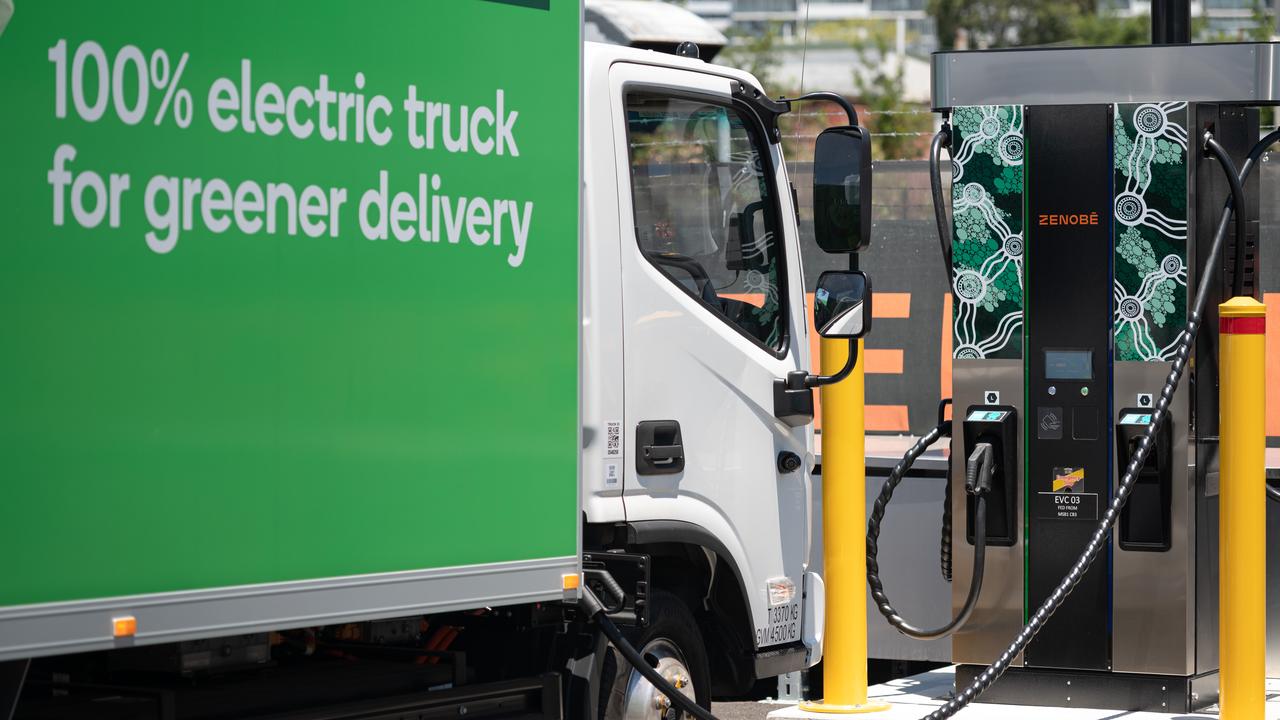
Zenobe Australia would retain ownership of the heavy vehicles, and care for their upgrades and maintenance under the lease, country director Garth Ridge said.
The model was designed to show transport electrification can make economic sense, he said, even for Australia’s biggest companies.
“We’re proving that large-scale, zero-emissions logistics is no longer a pilot, it’s commercially viable and operationally proven,” he said.
While Australian consumers have set records for electric vehicle sales over the past three months, businesses have yet to match their enthusiasm.
Electric trucks and vans represented less than one per cent of the commercial vehicles sold in 2026, according to the Truck Industry Council, despite their potential ongoing savings.
By investing up to $22 million in this project, the Clean Energy Finance Corporation could gather data about the benefits of moving to electric transport, infrastructure head Julia Hinwood said.
“Backing deployments in hard-to-abate sectors like freight helps normalise new technologies and bring in wider private investment,” she said.
“With fuel price volatility and supply risks increasingly material for freight operators, early large-scale deployments are critical to generating the real-world performance data and operating benchmarks.”
Other Australian organisations investing in low-emission transport options include Team Global Express, which added 60 electric trucks to its Sydney fleet, and Australia Post, which operates more than 5600 electric trucks, vans, motorbikes and three-wheelers.
The government-owned postal service also received $40.5 million to expand its electric fleet in the recent federal budget.
AAP