State urged to pump the brakes on electric car charge
Jennifer Dudley-Nicholson |
New South Wales should hit the brakes on a proposed electric vehicle tax to avoid slowing their adoption, increasing pollution and confusing consumers, an inquiry has been told.
Health and transport experts issued the warnings at the NSW government’s electric vehicle revenue inquiry on Monday, where witnesses also warned ride-share and delivery drivers could be among those hit hardest by an EV tax.
The inquiry comes as the state government assesses plans to apply a road-user charge to electric and hybrid plug-in electric vehicles from July 2027, collecting $214 million in its first two years.
A similar state-based road-user charge in Victoria was overruled by the High Court in 2023, and the federal government is developing a national approach but has yet to launch it.
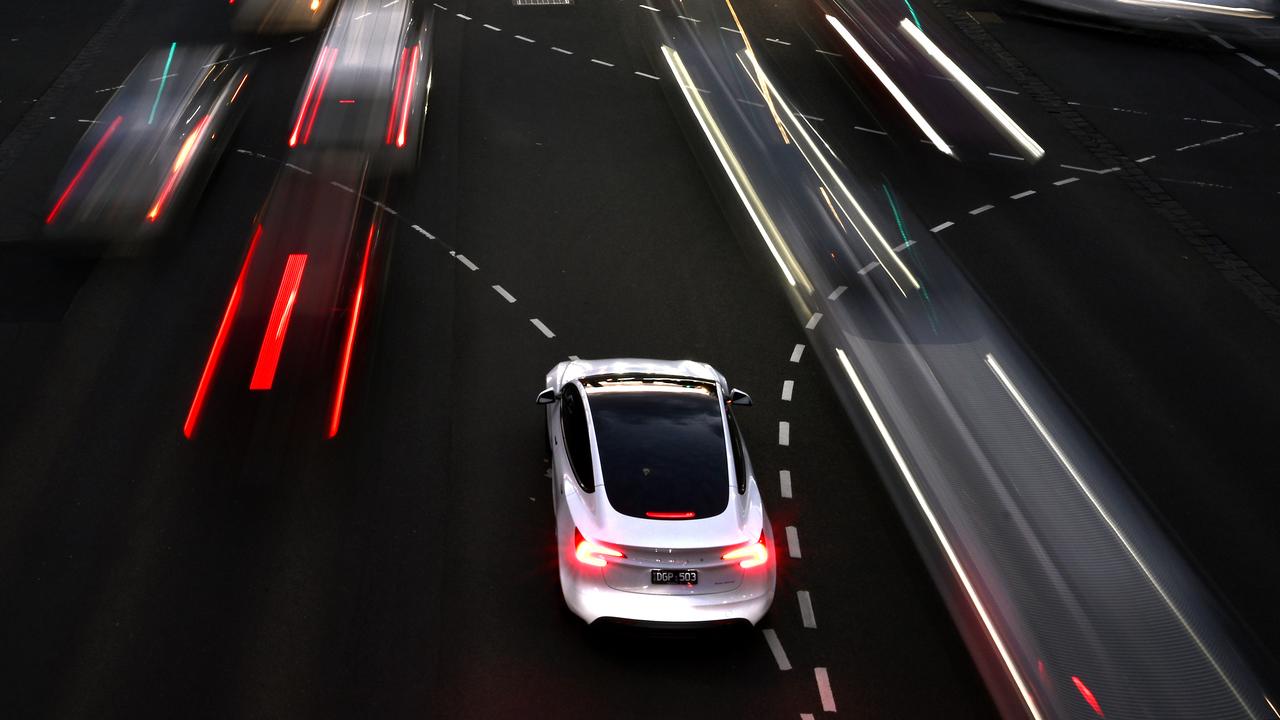
But taxing electric vehicles too soon into their adoption would discourage potential buyers, Transport Workers Union of NSW research and policy official Daniel Peric said, and could punish commercial drivers seeking to reduce pollution and costs.
Ride-share drivers could cover more than 60,000 kilometres each year, he said, which would attract a large bill at the proposed rate of 2.974 cents per kilometre.
“If the road-user charge is based on distance, those drivers who are travelling more and more are going to be seeing diminishing returns,” he said.
“The costs are going to add up very quickly and, to me, that would be a major disincentive for companies, operators and owner-drivers too.”
Slowing the adoption of low-emission vehicles could have health consequences for the public, Doctors for the Environment Australia member Dr Felicity Heale said, with a study by Melbourne Climate Futures showing transport pollution contributed to more than 11,000 premature deaths annually.
“We would advise against policy settings that would impede uptake of battery vehicles or create perverse incentives favouring (internal combustion) or hybrid vehicles,” she said.
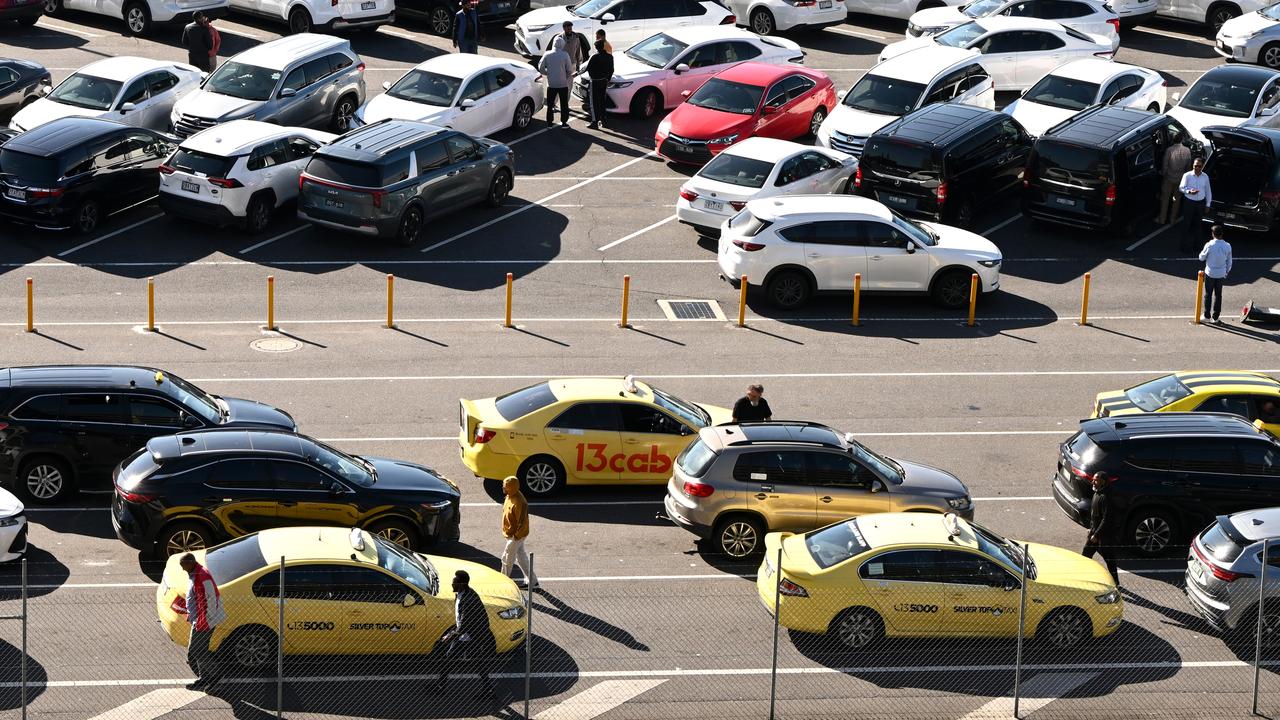
The state government could introduce a road-user charge gradually for new EV drivers to make it less of a disincentive, Dr Heale said, potentially raising fees over three years.
Making a road-user charge simple to understand and pay would also be vital, Australian Industry Group climate change and energy director Tennant Reed said.
The NSW government should delay introducing its own charge in favour of a national approach, he said, and should ensure reporting odometer readings was simple and less cumbersome than Victoria’s approach.
“Our concern is the degree of … consumer confusion that might result from a sudden introduction of one system followed by its sudden removal in favour of another,” he said.
“It would be really good to avoid that for a smoother overall uptake, both of new road-charging arrangements and the EVs themselves.”
The inquiry is due to report its findings by September 30.
AAP