Penfolds maker focuses on top drops as tastes shift
Kaaren Morrissey |
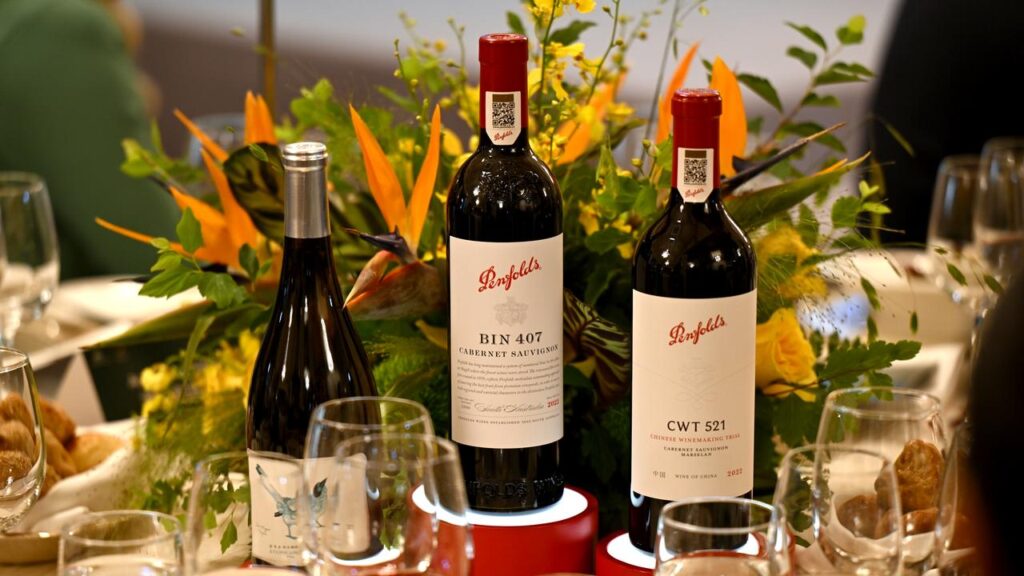
As wine lovers shift to drinking less while spending big on luxury tipples, so too is one of Australia’s premium vintners.
Treasury Wine Estates, which owns the globally recognised Penfolds brand, plans to operate with 30 brands, down from more than 70, across multiple markets.
The “meaningful reduction” over time would happen alongside a major investment in its top 10 “power” brands, chief executive Sam Fischer revealed on Thursday.

This segment, which includes Penfolds, California brand Daou and New Zealand heavyweight Matua, contributes 72 per cent of gross profit on 25 per cent of the listed company’s wine volume.
“Our power brands will represent the largest growth opportunities,” chief executive Sam Fischer told investors at a strategy day on Thursday.
“These are scalable brands with the ability to win across multiple markets.
“Collectively, they will receive disproportionate investment and organisational focus to support our growth ambition.”
For instance, Treasury Wine’s luxury red wines, including blends, Cabernet, Shiraz and Pinot Noir, already do well across China, the rest of Asia and Australia.

The story is the same for its luxury whites, including Chardonnay, Sauvignon Blanc and sparkling wines produced under the Penfolds Yattarna, Frank Family and Doau brands.
“People all over the world enjoy wine as they celebrate, connect and relax, and while we believe that these underlying occasions will endure, we do need to acknowledge that wine consumption is evolving,” Mr Fischer said.
“Luxury wine remains highly attractive, underpinned by the ‘premiumisation’ trend, as people drink less but better.”
At the same time, Treasury Wine has noted that consumers are seeking lighter wine styles, including low-alcohol varieties, which now make up about 30 per cent of its volumes.
These wines – including Pepperjack, Wynns, Squealing Pig, Stags’ Leap and Coldstream Hills – are described as “regional heroes” and are also in line for more investment.

“Our ‘future state’ portfolio will be centred around three clear growth pillars,” Mr Fischer said.
“Strengthening our red wine leadership – our luxury red wine leadership in key markets, building a stronger position in luxury white wine, and growing our position in ‘modern refreshment’.”
However, Mr Fischer also flagged the possible sale of some of the group’s Americas business, pending a review.
He pointed to supply chain issues at its California vineyards, where it has already reduced grower intake and left some to lie fallow.
“We are not generating an appropriate level of return for the capital that we have allocated in that business, and the focus of the review will be to consider a range of options,” Mr Fischer said.
“These options could include further refinement of our operating model, the acceleration of initiatives across the supply chain or the sale of selected brands or assets.”

In December, Treasury Wine wrote down the value of the US business by $687 million, after spending $1.6 billion in 2023 to buy Daou Vineyards, which produces wine between $US20 and $US500 a bottle.
In February, the group reported a first-half bottom-line net loss of $649.4 million, due to that writedown.
Excluding that impact, its interim net profit was $128.5 million, down 46.3 per cent, while earnings before interest and tax came in at $236.4 million.
For the full 2025/26 year, Treasury Wines is still looking at underlying earnings between $480 million and $490 million.
The company’s shares were trading 10.3 per cent higher at $4.55 in the afternoon, off an intraday high of $4.64.
AAP