How Australia can protect against future fuel shocks
William Ton |
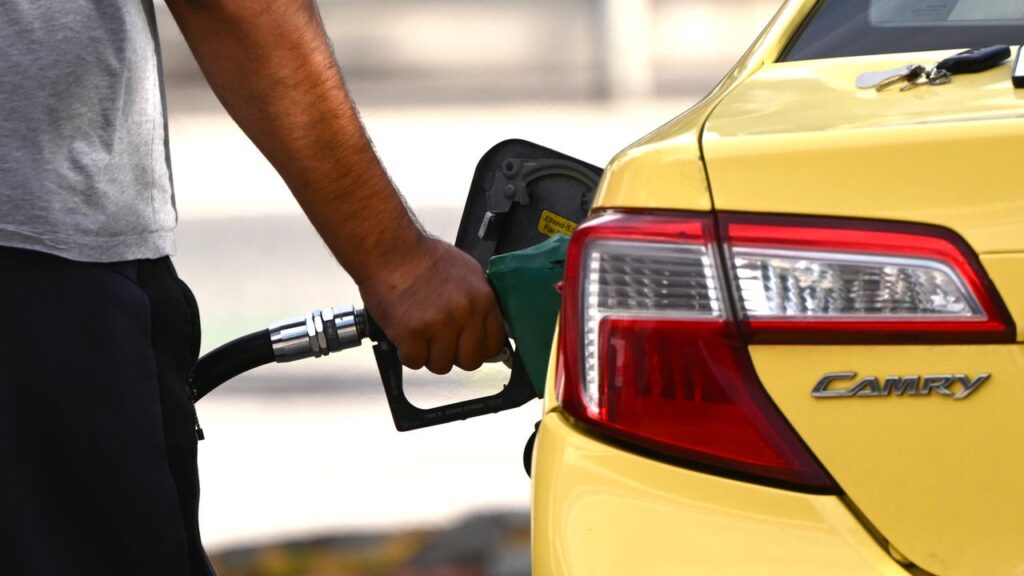
Global oil supply disruptions are a long-overdue lesson for Australia to prioritise greater self-reliance and energy independence in the future, transport and logistics experts say.
Fuel reserves across the nation have reached 39 days for petrol, 29 days for diesel and 30 days for jet fuel, amid ongoing strong demand.
The number of service stations running out of petrol and diesel has dropped, with 312 stations out of 8000 without diesel.
Energy Minister Chris Bowen said there are more than 50 ships carrying fuel on their way from Asian refineries, the US, Mexico and elsewhere.

New orders had more than replaced the cancelled ones and fuel companies were confident about the supply of 3.7 billion litres booked in for April and into May, he said.
While the government must be commended for bolstering fuel stocks, the Australian Logistics Council said it must also look towards supply chain sustainability, resilience and productivity.
“This is the most serious global supply chain interruption to energy ever, and we need to see this in the context of Australia’s future,” chief executive Hermione Parsons told AAP.
Australia is a tiny market at the end destination of major trade routes, and during COVID, the ships stopped coming after being redirected to more lucrative trading routes.
Dr Parsons said the government needed to build sovereign capability.
This had to go beyond just replacing one form of energy, such as imported crude with homeland production.
Renewable diesel, fleet electrification and using more freight rail should also be in the mix.
Australia is under-utilising its freight rail, which uses five times less diesel and has fewer carbon emissions.
The agriculture sector’s ability to produce feedstock for renewable diesel could help. But there would need to be more refineries.

Matt Barrie, the boss of Loadshift, Australia’s largest online freight marketplace, was sceptical about the federal government’s assurances, saying the maths doesn’t add up.
The 53 ships carrying 3.7 billion litres of fuel en route would not cover the 4.5 billion litres that Australia burns through a month, he said.
“Those ships don’t even cover four weeks. Has anyone asked what happens in May?” Mr Barrie said.
As Australians mark Easter, Mr Bowen encouraged people to stick to their holiday plans but urged people not to buy more fuel than they needed.
He acknowledged the pain at the bowser as the Iran war continued.
“Even if it ended today, there have been impacts on supply chain that will be with us for weeks and months ahead,” Mr Bowen said.
NRMA spokesman Peter Khoury said oil prices will continue to be heavily impacted by the global events, but assured Australians there will be enough fuel for those heading out over the long weekend.
AAP