Australian communities cling to hope week on from flood
Allanah Sciberras and Eleanor Wilson |
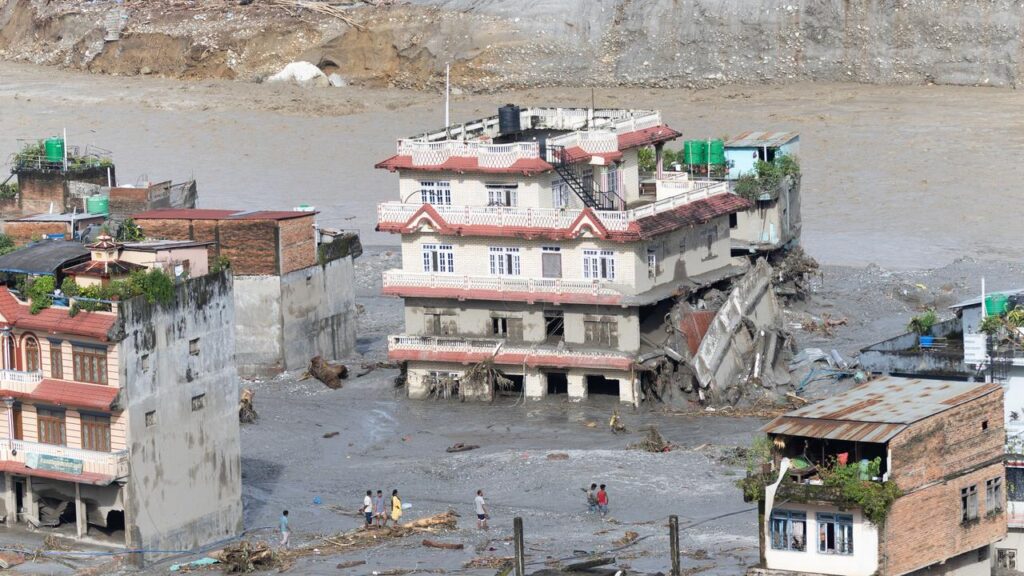
Australia’s Nepali community remains hopeful for the welfare of loved ones missing in a cataclysmic flood that lashed the nation’s border with Tibet one week ago.
Local officials fear many are buried under debris left by the floods that tore through towns and valleys near the Chinese border, as the death toll reaches 1114 people, with almost 4000 more missing.
Authorities hold grave concerns for 38 Australians still missing in the flood impact zone despite five citizens being confirmed safe, the Department of Foreign Affairs and Trade confirmed on Wednesday.
Rescuers are racing the clock in the search for survivors more than one week on from the disaster, but grieving community members in Australia continue to cling onto hope.
“Lots of people are stuck in the tunnels over there as well, and most don’t have any contact … we are still hopeful that maybe we can get good news,” Non-Resident Nepali Association Victorian co-ordinator Mahadev Dhanuk told AAP.
The association has raised almost $75,000 through community donations for relief efforts in the region as part of the Nepali Prime Minister’s Disaster Relief Fund.
The tight-knit Victorian Nepali community of less than 30,000 is wrapping its arms around those affected by the tragedy, with hundreds uniting at a candlelight vigil in memory of the victims in Melbourne on Monday.
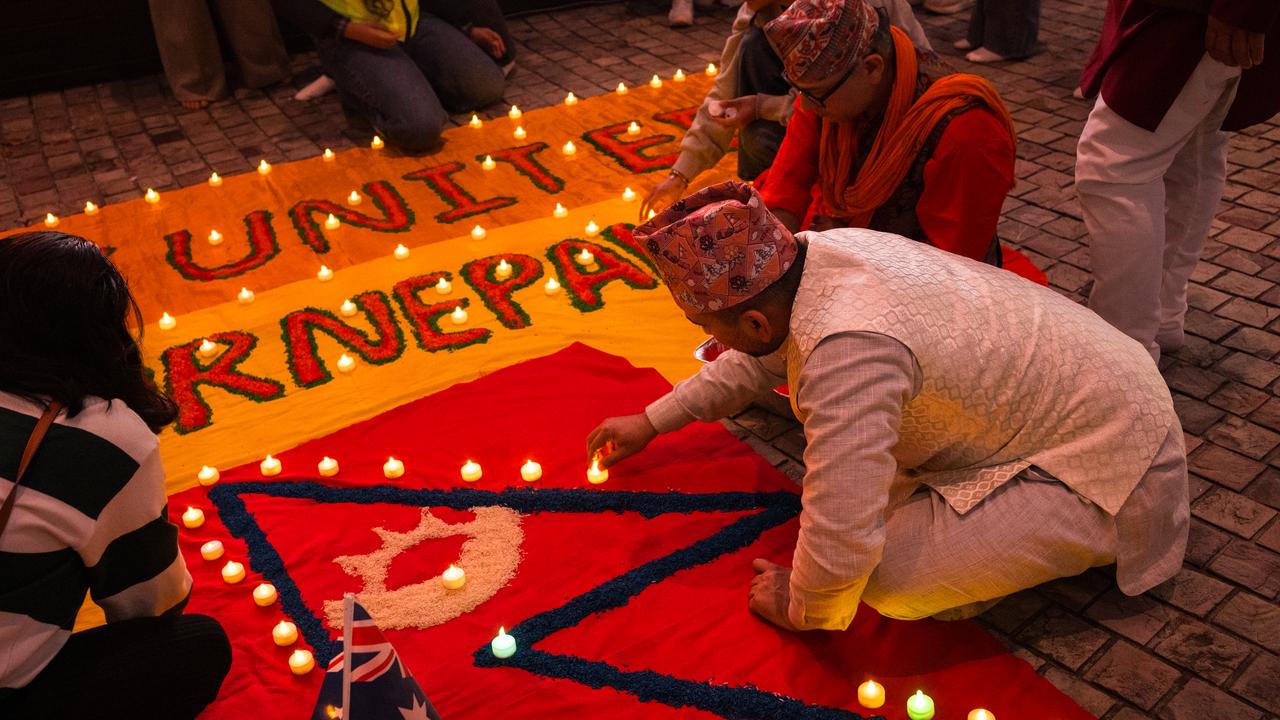
“Many are not personally affected, but culturally we feel like one family. That’s why everyone is devastated,” Mr Dhanuk said.
“All of the community is trying to overcome their own plight and trying to help and think how can we stand with the Nepal?”
Five Australians had been confirmed safe by officials in Nepal and Tibet, while three others were located outside the crisis zone, the government said.
On the Sunshine Coast, community members are “doing everything they can” to rally around loved ones of missing disability support worker Renee Spry.
The Queensland mother of twin daughters was returning from the religious Mount Kailash pilgrimage, at an immigration centre near the Nepal-Tibet border, minutes before the catastrophic flood swept through the area.
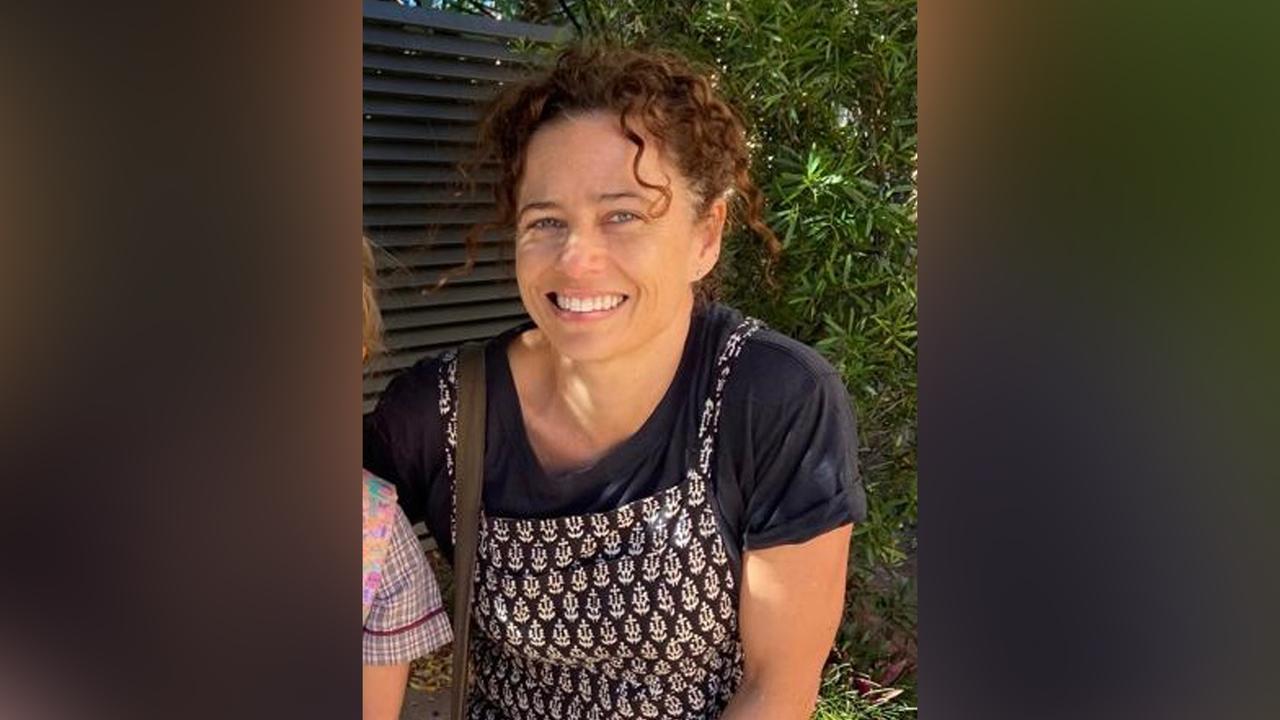
“Every time we hear news of another person being found alive is a moment of extraordinary joy and relief,” Sunshine Coast-based Liberal foreign affairs spokesman Ted O’Brien told AAP.
“We all, of course, on the Sunshine Coast then turn our minds to Renee and it is with hope that we think of her predicament.”
The family of another missing Australian, Luke Costanzo, released a statement on Tuesday about the “unimaginably difficult situation” confronting them.
Like Ms Spry, the 30-year-old had been visiting Tibet’s Mount Kailash on a pilgrimage trek with the non-profit Isha Foundation.
“We can do nothing but continue hoping for a miracle that Luke, and the others who remain missing, are found alive and well,” Mr Costanzo’s family said.
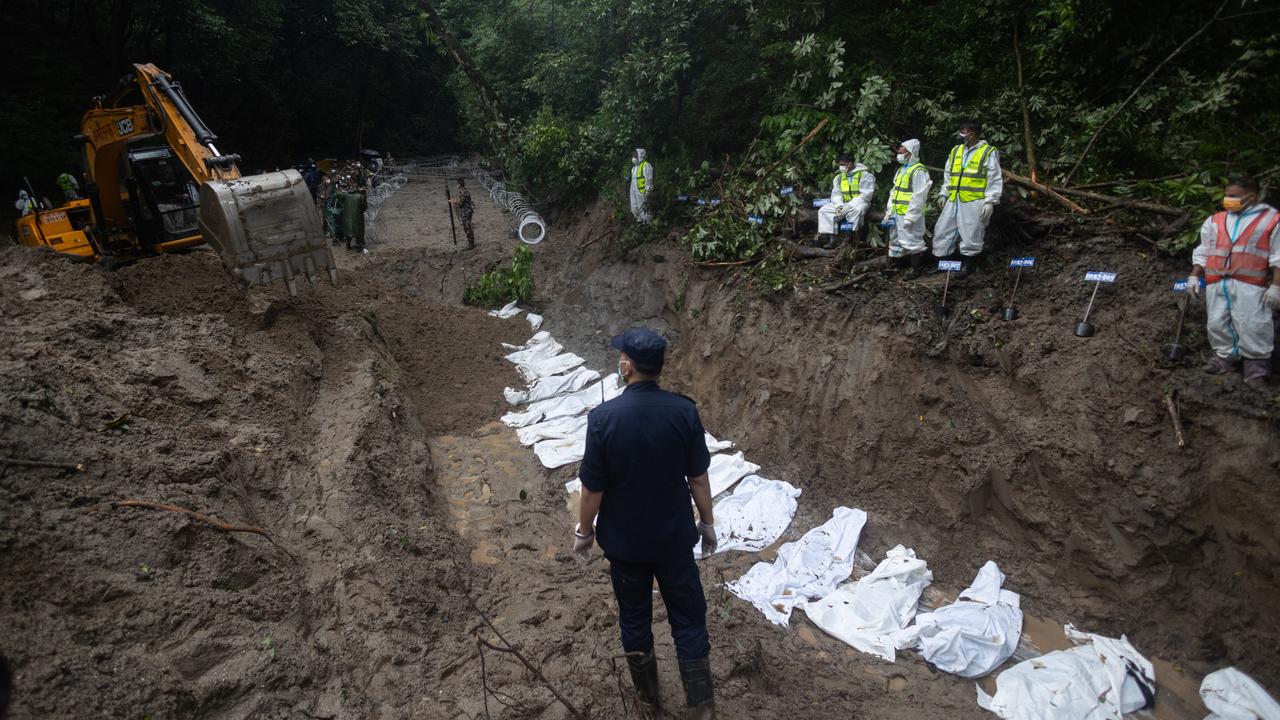
The bodies of the flood victims have begun to be buried in mass graves in Kathmandu after DNA samples were taken.
An Australian RAAF C-17A carrying humanitarian and disaster relief supplies was due to touch down in Nepal on Wednesday.
Loaded with more than 1400 hygiene kits, 2200 solar lights and phone chargers, hundreds of shelter tool kits, tarps and ropes and more than 500 menstrual hygiene packs, the aid package makes up some of an $8 million pledge by the federal government.
There were 18 Australian response team personnel in Nepal, in addition to staff already on the ground, DFAT said.
The floods impacted almost 13,000 buildings and washed away 40km of highway and at least 68 bridges, satellite data accessed by HiRISK shows.
AAP