Australian green hydrogen project gets the green light
Jennifer Dudley-Nicholson |
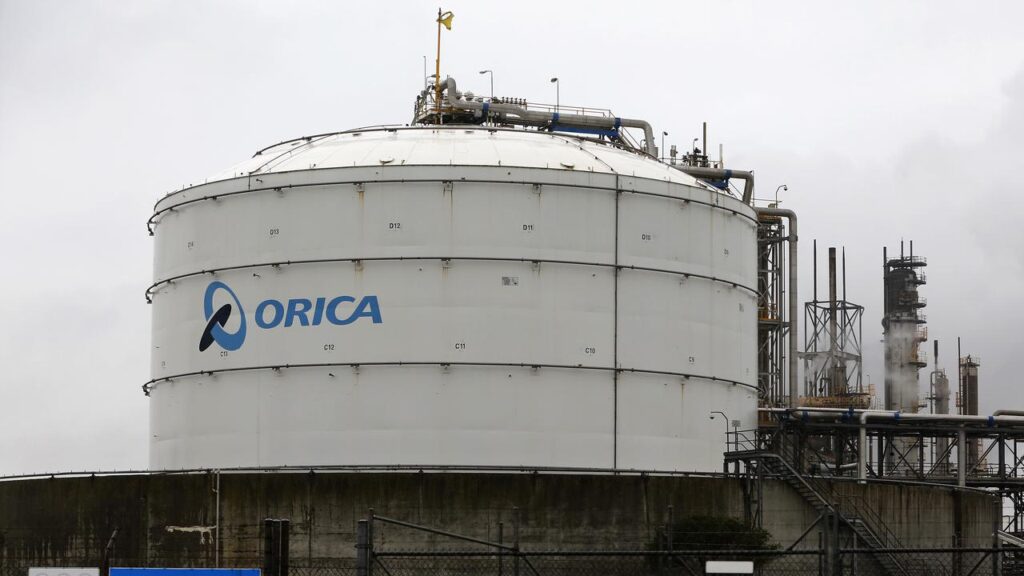
One of the largest renewable hydrogen projects in Australia will be built in regional NSW after it secured a $432 million government investment.
Mining company Orica announced its Hunter Valley Hydrogen Hub had reached a final investment decision on Wednesday after winning funding from the Australian Renewable Energy Agency.
The hub could produce 4700 tonnes of green hydrogen each year by 2029, and reduce the company’s use of gas by an amount equivalent to 50,000 households.
The announcement comes during a challenging time for renewable hydrogen investment and after the cancellation of several major developments, including projects in Queensland, South Australia, Tasmania and Western Australia.
Orica’s renewable hydrogen hub will be built alongside its Kooragang Island ammonia plant, with construction due later this year.
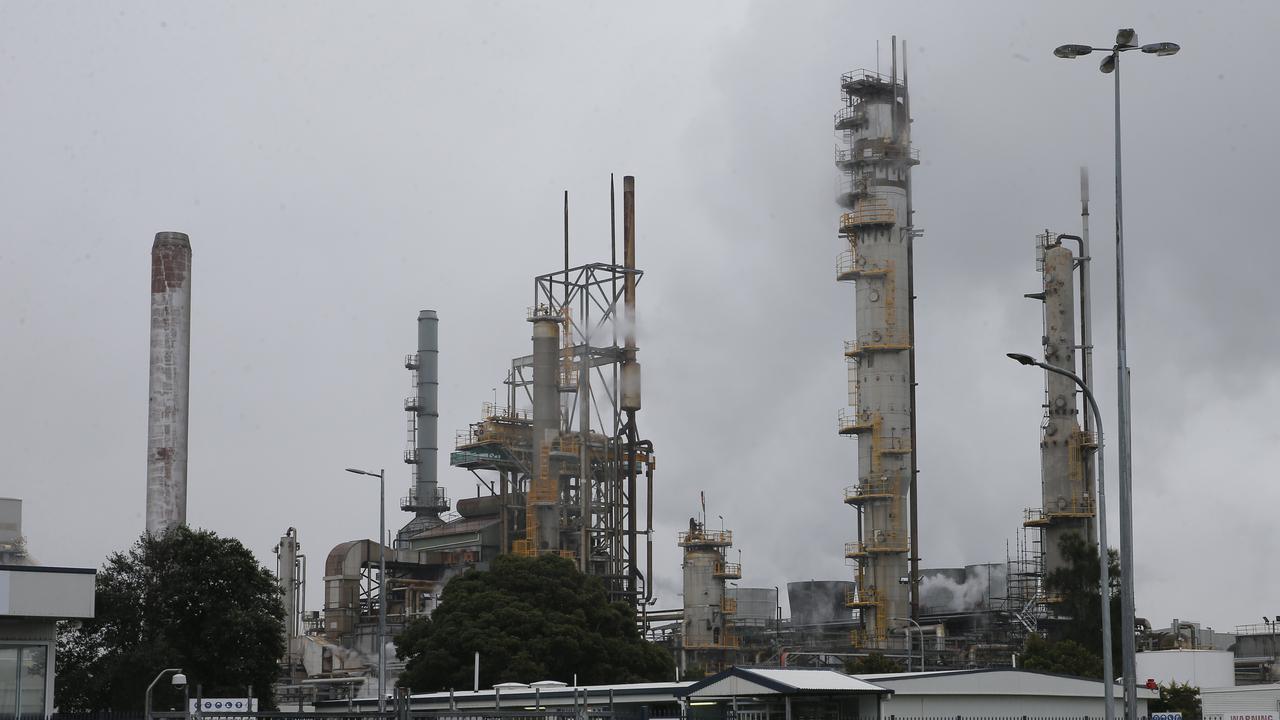
The project will use a 50 megawatt electrolyser and recycled water to produce renewable hydrogen, and will use the fuel to replace gas in its ammonia production.
Hydrogen produced at the facility would help to make 26,600 tonnes of low-carbon ammonia for use in industries such as farming, food and health, Orica chief executive Sanjeev Gandhi said, and this could expand to more markets in future.
“This final investment decision marks a critical step in advancing the Hunter Valley Hydrogen Hub from concept to reality,” he said.
“(It strengthens) sovereign manufacturing in Australia, making sure critical industries like mining and agriculture continue to be supplied from a reliable domestic base with a reduced carbon footprint.”
The hub could cut the company’s use of natural gas by 7.5 per cent, he said, and reduce its carbon emissions by 35,000 tonnes.
The project is the first with funding from the federal government’s Hydrogen Headstart program to reach a final investment decision, and ARENA chief executive Darren Miller said it would help make a strong case for domestic hydrogen production.
“This milestone is an important step in demonstrating industry commitment to renewable hydrogen, particularly as a pathway to decarbonise heavy industry and reduce emissions where alternatives are limited,” he said.
“Hydrogen is a complex, capital intensive industry but it represents a significant economic and decarbonisation opportunity for Australia.”
The project will receive its funding as renewable hydrogen production credits when the plant is operational.
ARENA has committed more than $396 million to 68 renewable hydrogen projects as part of the program since 2017.
Despite the promise of renewable hydrogen to reduce emissions, planned projects such as the Central Queensland Hydrogen Project in Gladstone and H2Tas in Bell Bay, Tasmania, have been cancelled due to the high cost of production.
AAP