‘More workers’: simple fix to stop tarmac near-misses
Tom Wark and Farid Farid |
Recruitment of air traffic controllers is tracking well despite union warnings of widespread shortages, the head of Australia’s aviation services says.
A dangerous safety incident at Sydney Airport was unacceptable but not the result of low staff numbers, the government-owned body that oversees air traffic control said.
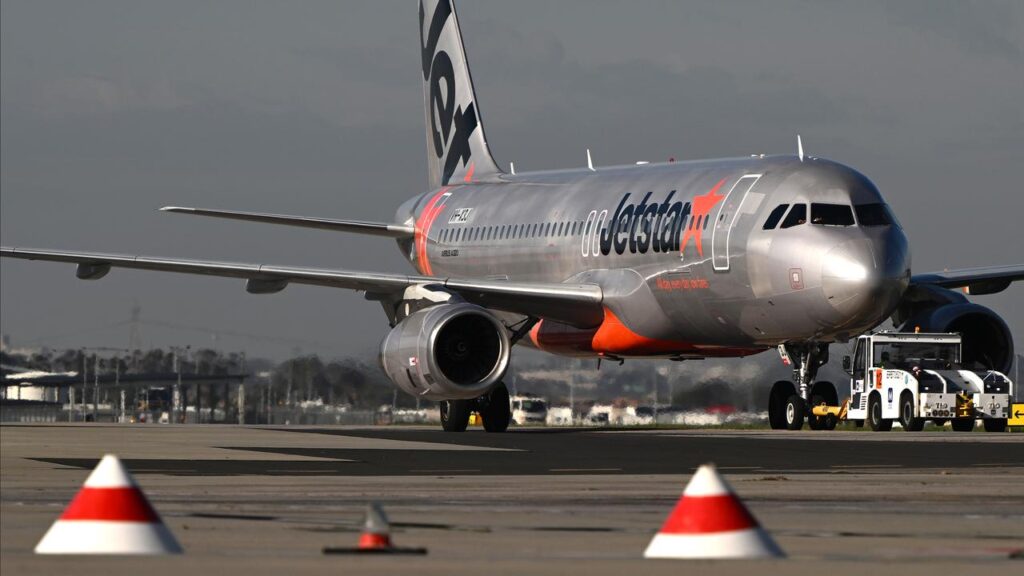
Two employees were stood down for mandatory testing after a Jetstar flight departing Sydney Airport for the Gold Coast almost collided with a Qatar Airways plane on Sunday, Airservices Australia chief executive Rob Sharp said.
The Jetstar Airbus 320 pilot was forced to brake suddenly to avoid a collision with the Qatari plane on the tarmac.
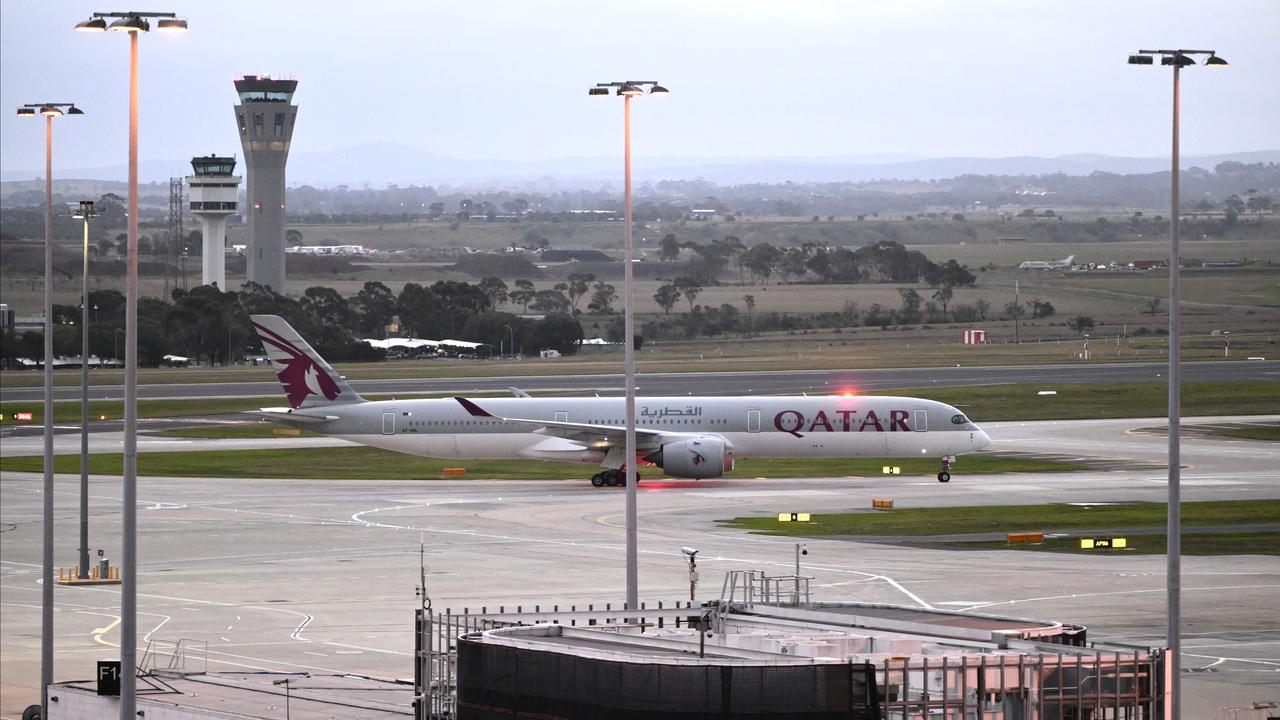
The Qatar Airways Boeing 777, which was not carrying any passengers, was being towed by an aircraft tug and received minor damage.
The high-stakes world of air traffic control is hard enough without constantly dealing with staff shortages, a union head said.
“It’s actually quite simple – we need more people to do our job properly,” Civil Air president Scott Nugent told AAP.
Mr Nugent criticised Airservices for leaving the country’s busiest airport constantly stretched thin in the control tower.
“They’re just not putting enough in … we can’t just put people in and expect them to be working the next day,” Mr Nugent said.
But Mr Sharp denied recruitment efforts had been lacklustre in the past two years and said a swell of recruits made a difference.
“We’ve probably added about 100 in the last 12 months, so we’re recruiting the highest number of air traffic controllers in the history of Airservices,” Mr Sharp told reporters on Monday.
“However, in Sydney, it’s a very complex environment and we are competing for resources.”
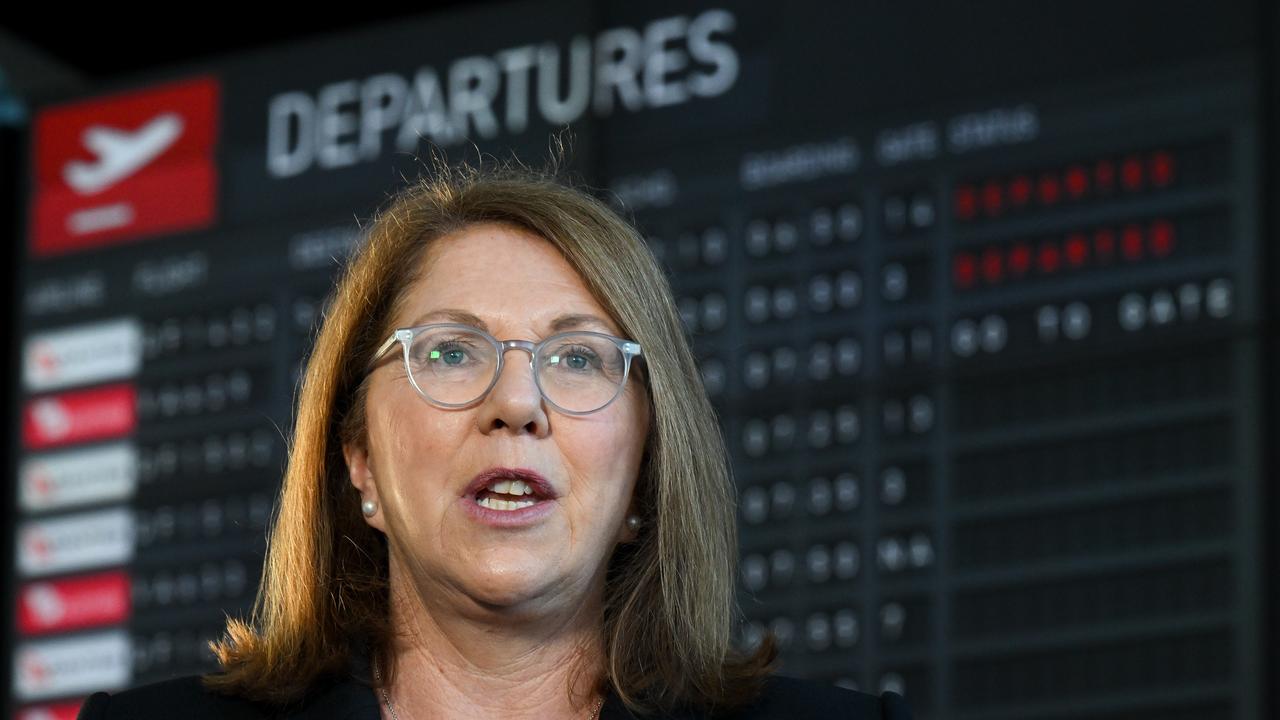
Federal Transport Minister Catherine King was confident Airservices would quickly introduce necessary changes to keep aircraft moving smoothly after meeting with Mr Sharp.
“We’ve had a very constructive discussion about measures they are putting in place to ensure there is better rostering at Sydney Airport,” Ms King said.
“What happened over the weekend, they accept, was unacceptable for passengers in particular.”
But pressure on aviation safety in NSW is only increasing with the first passenger flights due to depart Western Sydney International in October.
Ms King announced on Monday overseas carrier VietJet was the latest airline to commit to the new Australian airport, with twice-weekly flights to Ho Chi Minh City due to start in January.
It was too early to gauge whether similar staffing shortages would plague Western Sydney International, Mr Nugent said.
Airservices said all controllers for the new airport had been recruited, but could not be used to fill gaps at Sydney Airport.
“For most towers, the training is unique to that tower, and that’s one of the challenges we have,” Mr Sharp said.
“We are looking at cross-training, where we can actually move people between towers, and we’re nearly at the point where we can do that.”
The Australian Transport Safety Bureau is investigating Sunday’s near-miss.
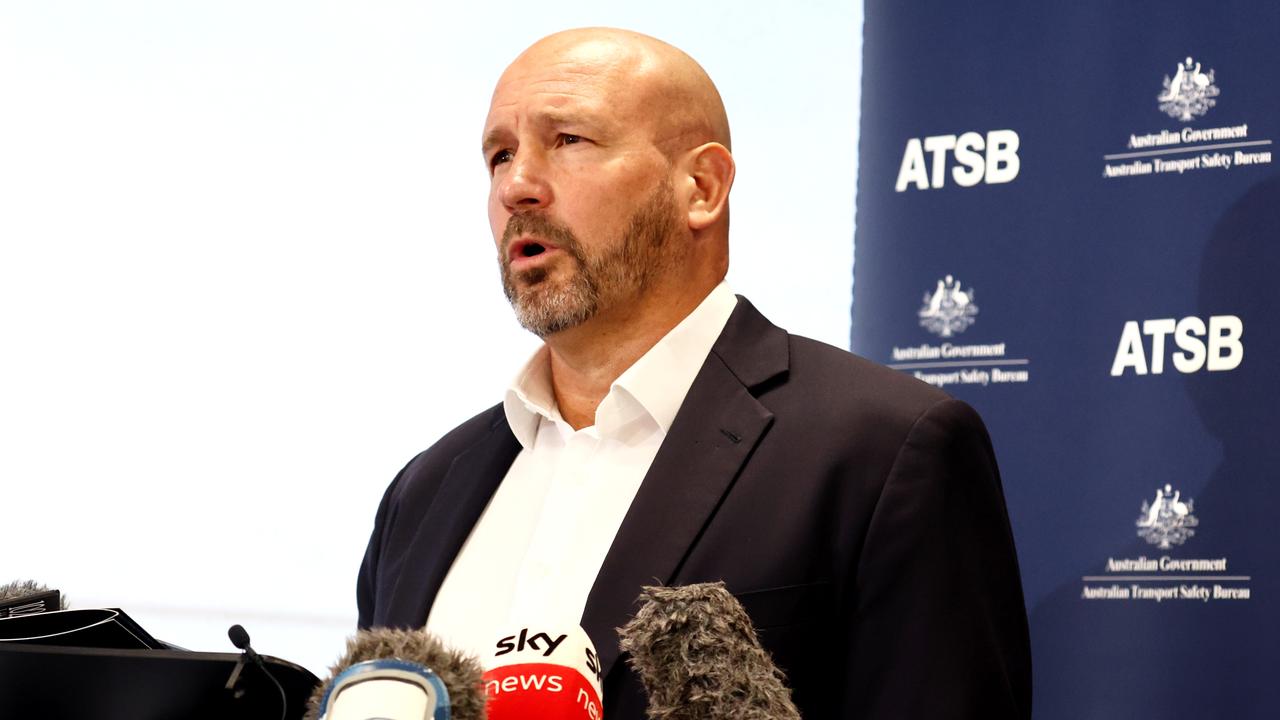
The bureau’s commissioner Angus Mitchell said flight crew, tug operators, air traffic controllers and other witnesses would be interviewed and relevant footage would be reviewed.
“Whether it was a breakdown in communication, in actually getting the right message to the right people, or the co-ordination of it, we’re yet to ascertain,” he told ABC TV on Monday.
Air traffic control was reportedly operating under restricted hours between 6am and 8am on Sunday, reducing the number of flights arriving and departing because of staffing shortages.
An injured Jetstar crew member received medical attention on Sunday. No passengers were injured.
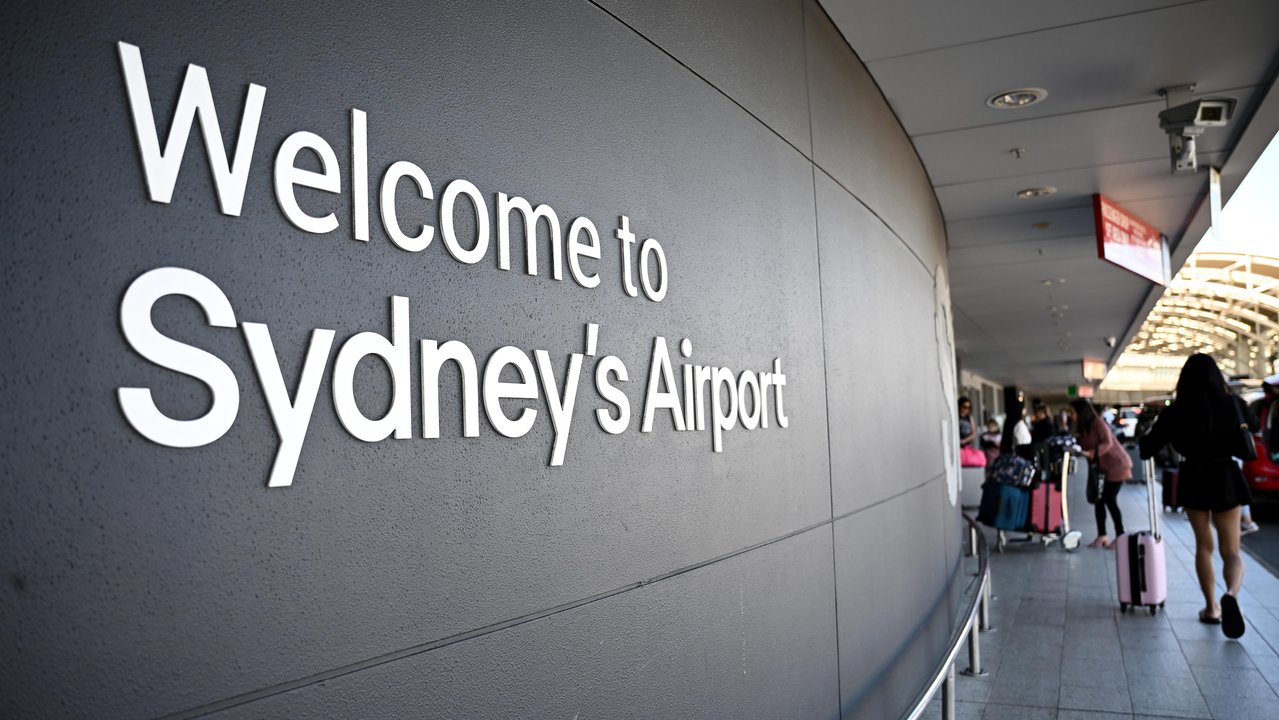
The incident followed delays to more than 150 flights passing through Sydney on Saturday as airport operations struggled due to a lack of personnel.
AAP