Family violence declining, breakthrough study suggests
Farid Farid |
The rates of women self-reporting domestic violence has significantly declined for the first time in nearly a decade, in Australia’s most populous state.
The percentage of NSW adults self-reporting incidents of a physical assault or a face-to-face threat by an intimate partner or family member dipped from 0.91 per cent in cent in 2016 to 2019, to 0.65 per cent in 2022 to 2025.
The trend has been observed nationally with Victoria, Queensland and Western Australia having a downward trend.
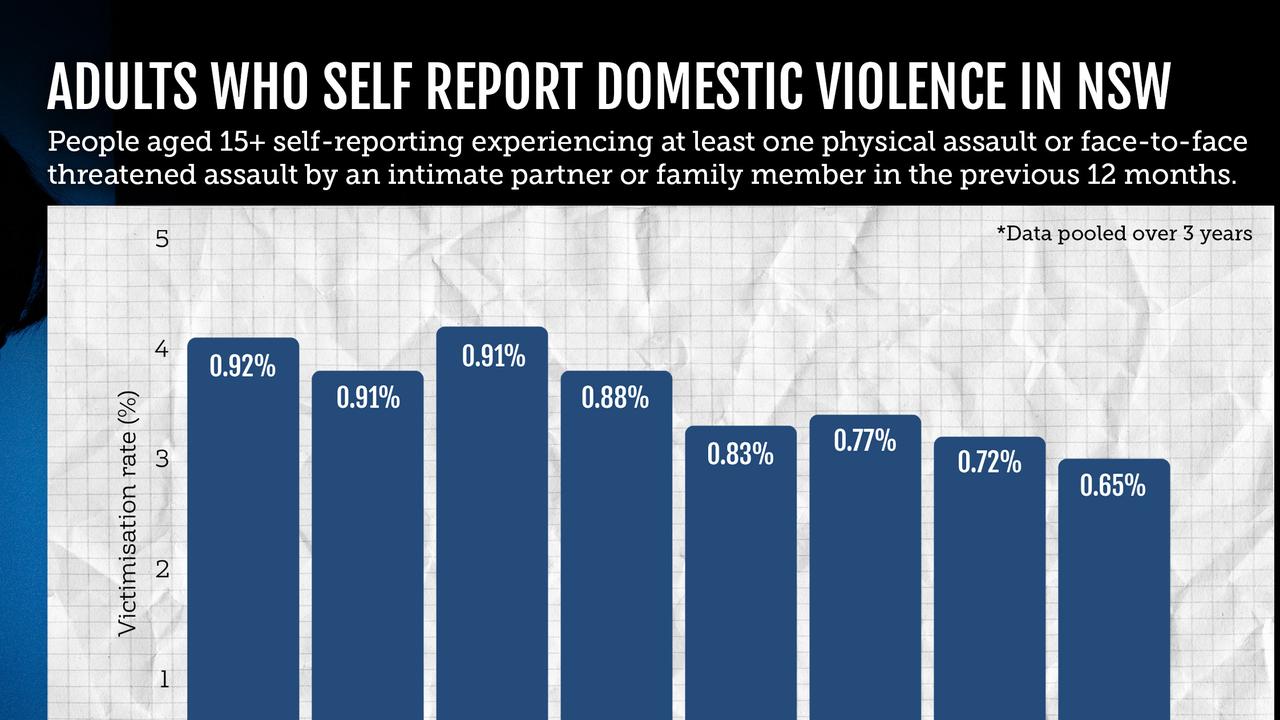
The NSW Bureau of Crime Statistics and Research’s study relied on data from a survey of victims compiled by the Australian Bureau of Statistics, which delves into everything from robberies to sexual assault.
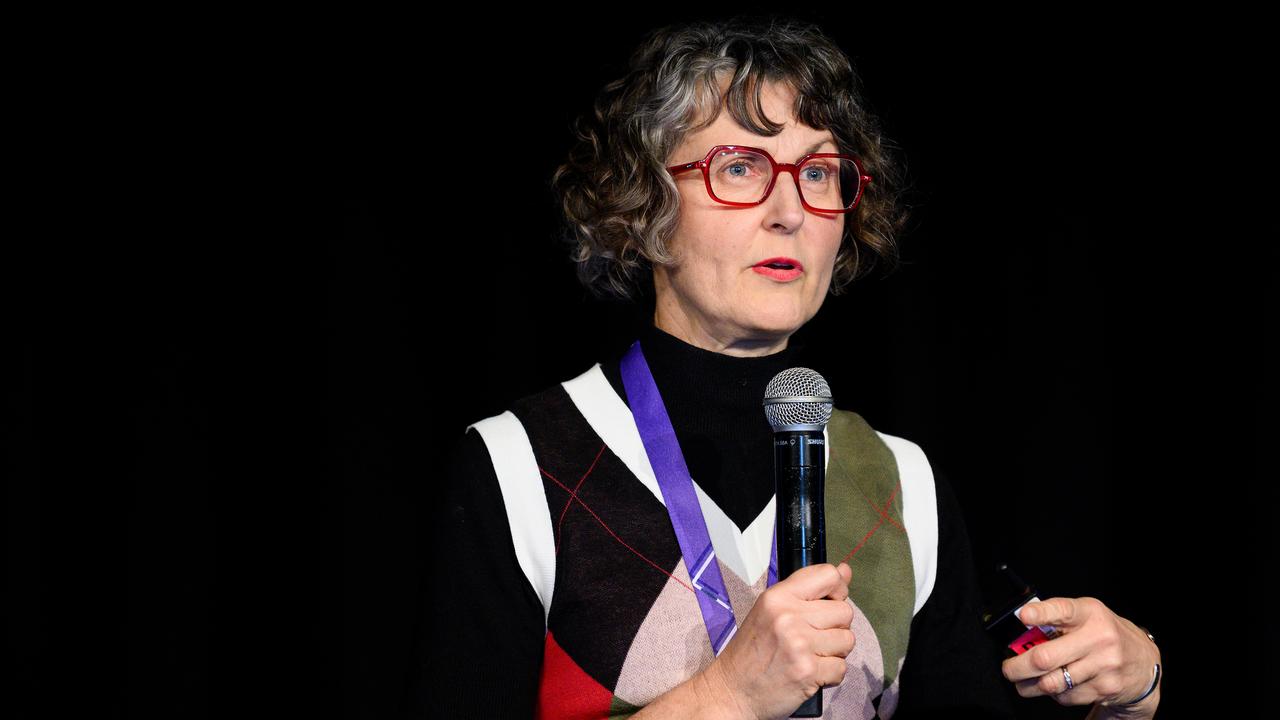
The bureau’s director Jackie Fitzgerald said the survey’s expansive view of violence showed an overall reduction among the 6000 respondents.
“We’re not using the filter of police reports or service responses, we’re actually going to people in community and asking those people whether they have experienced violence,” she told AAP.
“We haven’t previously seen evidence domestic violence might also be falling until we saw this.”
The data suggested despite rising reports of domestic violence to police in the past decade, it wasn’t increasing on a community level and might be trending down, Ms Fitzgerald said.
The study released on Thursday also examined women starting from the age of 15 who self-reported to the police experiences of violence.
Victimisation rates fell by more than one per cent, from 4.1 per cent in 2017-2018 to 3.0 per cent in 2024-2025.
A similar dip was also recorded in Victoria with no significant change in Queensland, SA, WA and Tasmania.
The findings are in contrast to the public perception, in light of high-profile cases driven by media attention.
The number of women and children killed annually in domestic homicides in NSW has ranged from 19 to 26 from 2017 to 2025, showing a stable trend.
The number of domestic and family violence-related hospitalisations has also hovered around the figure of about 900 per 100,000 per year.
The results come a day after far-right firebrand Pauline Hanson described domestic violence as a “two-way street” with men also victimised.
“It is wrong, but it’s also a two-way street. I’m not saying that it’s just men, women can lose their cool as well,” Senator Hanson told 4BC Radio in Brisbane.
But pointing to overwhelming national evidence, Ms Fitzgerald said the majority of perpetrators of violence against women and children are men.
“The numbers of women affected by domestic violence greatly outnumber the number of men,” she said.
1800 RESPECT (1800 737 732)
Lifeline 13 11 14
Men’s Referral Service 1300 766 491
AAP