Australia ‘going backwards’ on human rights of children
Lloyd Jones |
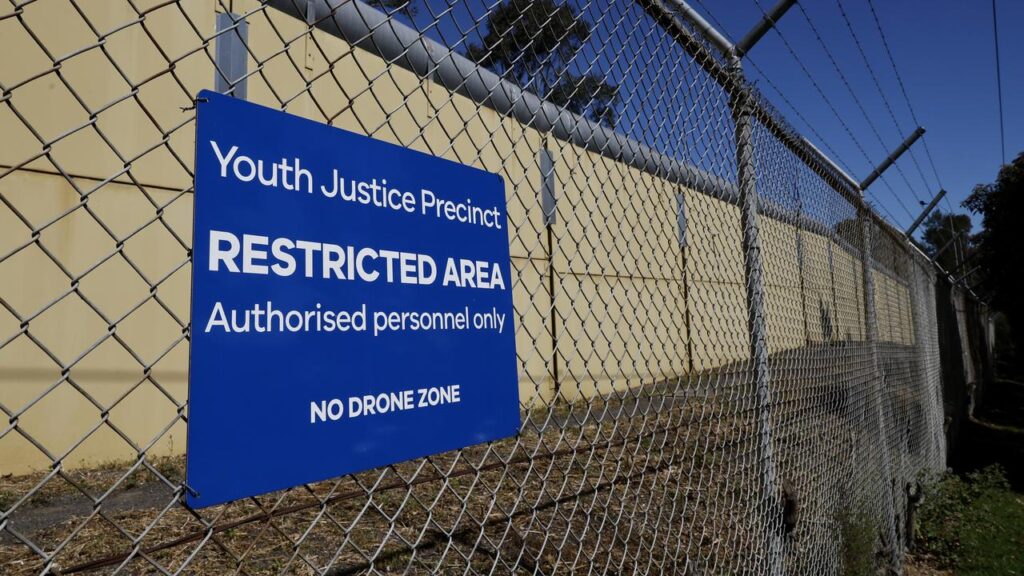
Australia has gone backwards on the human rights of children with far too many pulled into the criminal justice system, an inquiry into youth justice and incarceration will hear.
Anne Hollands recently completed a five-year term as National Children’s Commissioner and on Friday will give evidence to a Senate committee sitting in Sydney.
In her submission, Ms Hollands said she witnessed “horrendous conditions” for children incarcerated around Australia.

That included police watch houses in Queensland, where children were held for weeks because of overcrowding in youth detention centres.
“The conditions included concrete cells, no windows, no fresh air or outside area, no books or activities, no visits from families allowed.”
There was no education or rehabilitation, some watch houses had no showers and the police had no training in caring for children, including those with disabilities and complex needs, Ms Hollands said.
In the Northern Territory, new bail laws meant more incarcerated children, spithoods had been reinstated for juveniles and in one watch house a “restraint chair” was used for children experiencing psychological distress.
“I have been very concerned to see Australia go backwards on the human rights of children,” Ms Hollands said, noting the high rate of incarcerated Indigenous children.
She was especially concerned about children with complex unmet needs, experiencing poverty, discrimination, maltreatment or disadvantage such as disabilities.
“Far too many children get pulled into the criminal justice system because of the failure of the systems that should be helping children and families in vulnerable circumstances, such as health and education.”
Harsh and punitive approaches recently taken by state and territory governments were not based on evidence or human rights, Ms Hollands said.
“The harsh conditions and punishment of children as young as 10 years in the justice system exacerbates their existing trauma, mental health issues, disabilities and learning problems.”
Ms Hollands recommended a federal cabinet minister for children, a national taskforce on child justice reform to develop a reform roadmap and an overarching national child wellbeing strategy.

Justice Reform Initiative executive director Mindy Sotiri said governments across Australia had imposed tough youth crime measures including adult time for adult crime laws and removing the principle of detention as a last resort.
This was a politicised “demonisation” of children and young people in contact with the criminal justice system, she said in her submission.
Federal intervention was critical to rebalance policy towards safeguarding children, particularly First Nations children, to ensure Australia’s compliance with international conventions and to strengthen community safety.
Lifeline 13 11 14
Kids Helpline 1800 55 1800 (for people aged 5 to 25)
AAP