Stress, panic as arts disability cuts start to be felt
Liz Hobday |
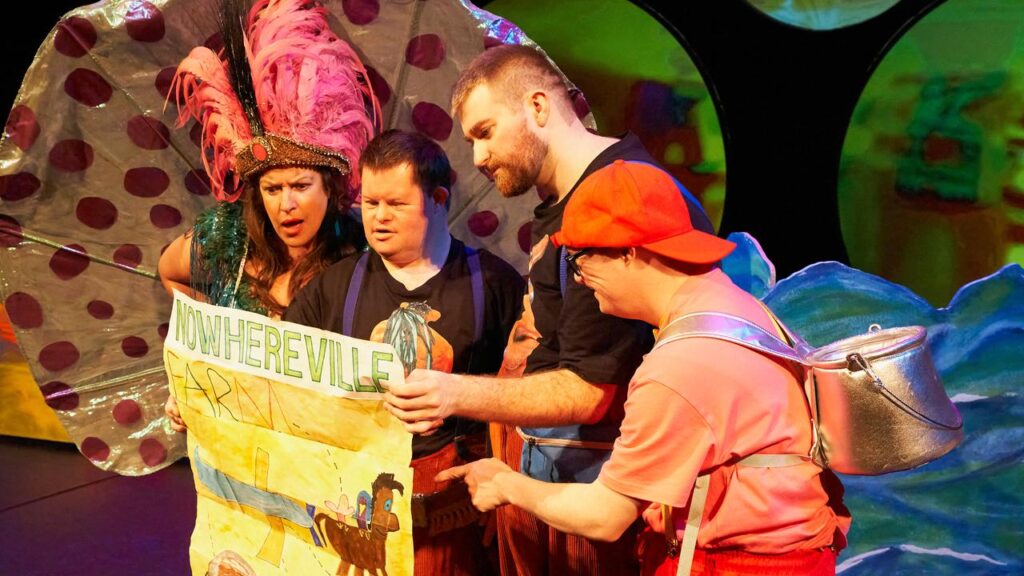
A leading arts disability organisation predicts its staff numbers will almost halve as a result of cuts to the National Disability Insurance Scheme.
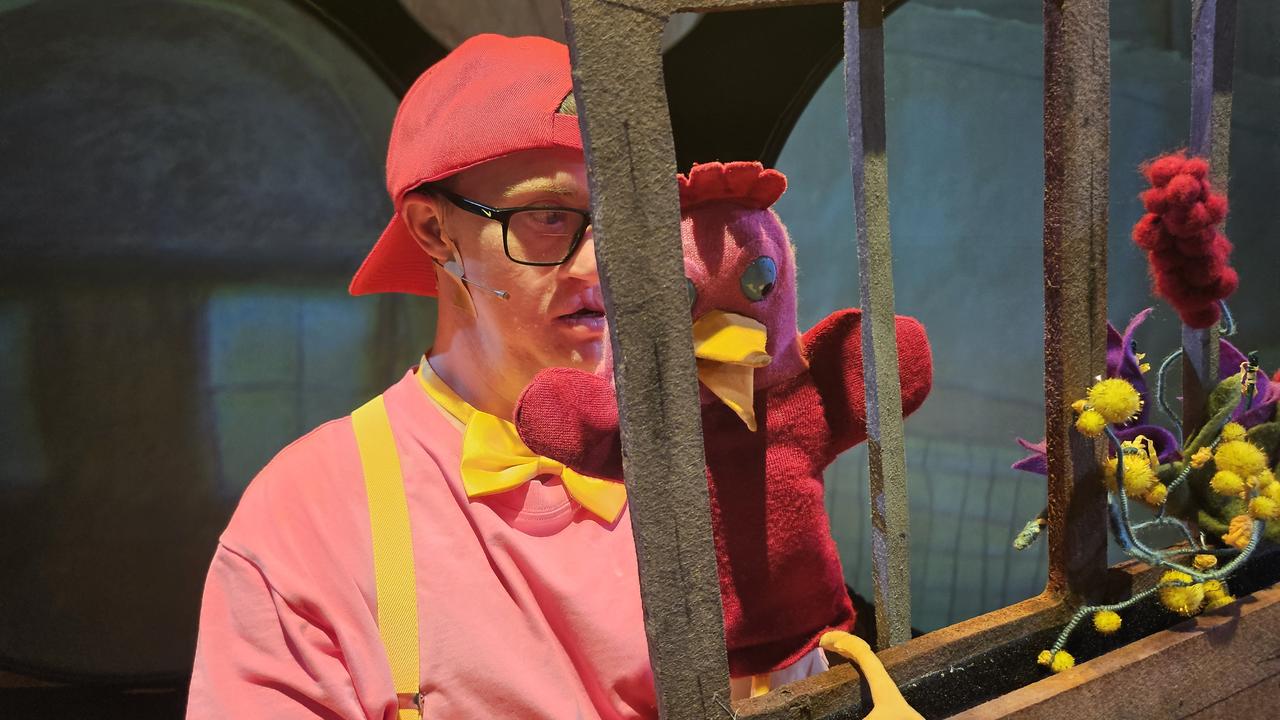
Hobart’s Second Echo Ensemble marked its 20th year of operation in 2025, with the premiere of a touring multimedia production at the Sydney Opera House.
With up to 20 staff working with participants each week, the successful ensemble has already reduced hours for five casuals and expects to cut even more shifts, with administrators also working fewer paid hours.
Large-scale changes to the disability scheme that began to take effect in October have halved overall funding for social, civic and community participation.
This is flowing through to the ensemble as individual NDIS plans are revised during the next 12 months, with some participants forced to reduce their attendance or stop turning up altogether.
“I’m really troubled by the fact that they make a budget cut in an abstract way, that feels like a big line item they can just get rid of, but the ripples are really enormous,” ensemble general manager Judith Abell told AAP.
The defunding is rapidly being felt across the sector, according to Arts and Disability Network Australia director Sarah-Mace Dennis.
“This is happening so quickly to an ecosystem that has taken decades to build … what will happen to our community, and those relationships?” she said.
“People are feeling what is going to be an impact on business models, and they will have to adjust dramatically.”
Many families are still in the dark as to the scale of the changes and when they will take place, while others are being forced to choose between daily expenses and paying for arts activities that provide culture and community, according to Abell.
“They need the support so badly, (people were) only just getting by on the support that’s been available and now that’s going to be cut dramatically, and that’s creating a lot of stress,” she said.
More than a third of Second Echo’s $947,159 budget came from the disability scheme in 2025.
It will also weather an additional 10 per cent funding cut because it’s not a registered NDIS provider – as a small organisation, the administrative burden of registration was too great, said Abell.
NDIS participants could continue to choose the best way to use their funding to access disability support, a spokesperson from the National Disability Insurance Agency told AAP.
“Changes to some NDIS funding have been announced to help ensure the scheme remains sustainable and can continue to support people with significant and permanent disability,” they said.
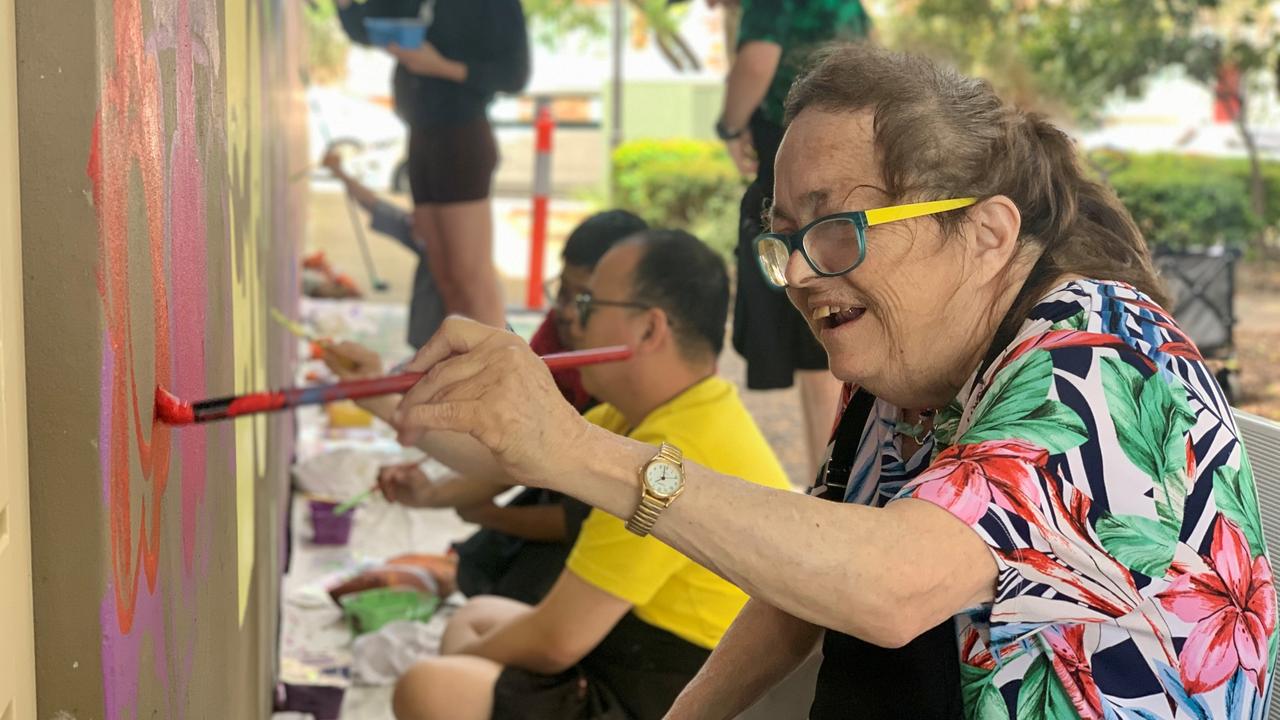
Sydney-based Studio Artes runs two studios for about 200 participants, almost all of whom have lifelong disabilities and attend with NDIS funding.
The studio has about 80 staff and runs group-based programs, and while some participants attend for support and social connection, others exhibit their artwork.
Studio manager Hayley Manu predicts that for every three participants who can no longer attend, a staff member will lose work.
One example of the NDIS cuts she has seen is a reduction in one-on-one support for a participant who is non-verbal and cannot be left by themselves.
Their older parents were looking at mortgaging their home so their child could continue to attend the studio and live in a group home, Manu told AAP.
“Parents are panicked, service providers are panicked,” she said.
“We support the absolute best human beings I’ve ever met in my life, what are they going to do if places like us close down?”
AAP