Call to embed algorithm opt-in for social ‘cesspit’
Noah Secomb, Lucinda Garbutt-Young and Andrew Brown |

Larger fines for social media companies that fail to enforce a ban on under-16s could win key political support if an algorithm-free feed is offered as the default for users.
While tech giants have introduced various age-verification measures to comply with Australia’s under-16s social media ban, they have been widely criticised as ineffective and easy for teens to skirt.
More than five million Australian accounts had been removed or deactivated, but about 80 per cent of teenagers younger than 16 were still using social media after the December ban, according to research released in June.
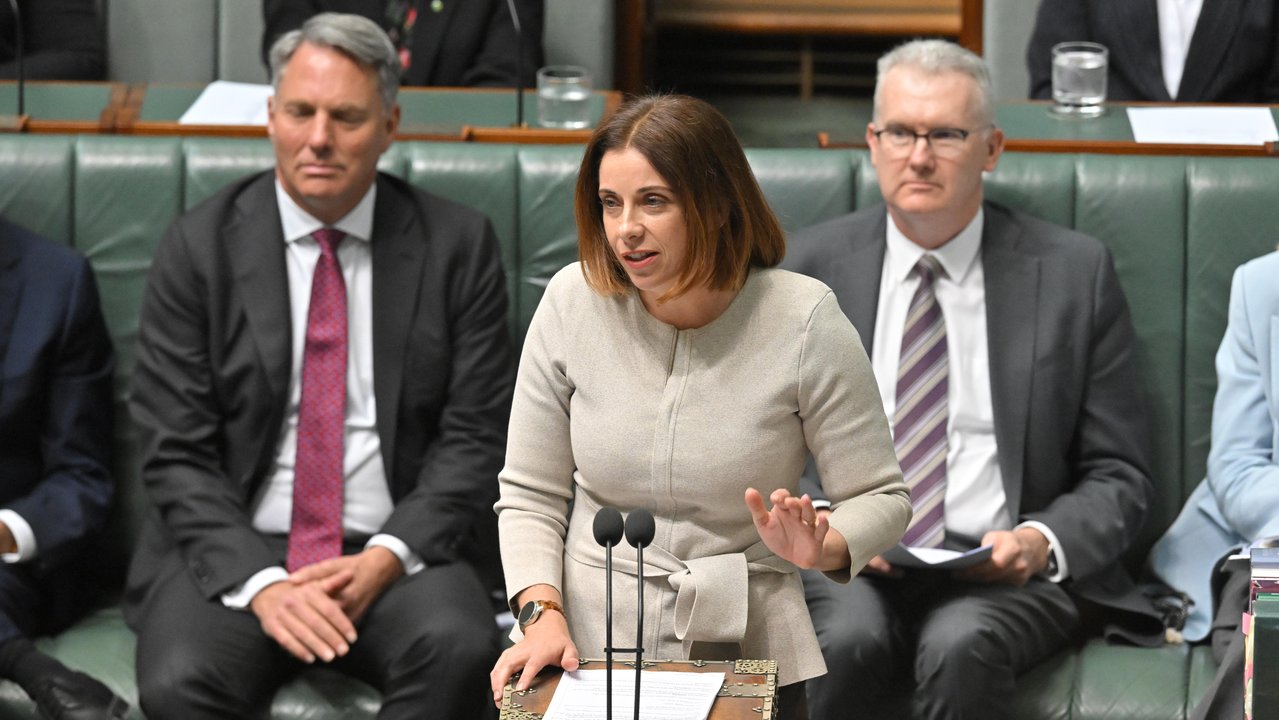
Communications Minister Anika Wells said loopholes were being exploited at a rate the eSafety Commissioner was unable to police.
“Under-16s should not be able to keep scanning their face until they crack the age verification test,” Ms Wells said in Question Time.
“Under-16s should not be able to immediately open another account once they get locked out, and parents should be able to report underage use without being asked to sign a legal letter.”
Under amendments before the Senate, tech companies could face fines of up to $109.2 million for breaching the social media ban and the eSafety Commissioner Julie Inman Grant would have increased powers to investigate non-compliance.
The laws were sent to an inquiry in July that ultimately recommended the bills be passed despite opposition from the coalition and the Greens.
The idea of increasing penalties and powers for the eSafety Commissioner was not inherently controversial, Greens communications spokeswoman Sarah Hanson-Young said.
But Senator Hanson-Young said the Greens could not support it without including laws to give all social media users the choice to opt in to the algorithm at the same time.
“Unless we get these other laws in place, young people, old people, everybody in between is still going to be left with a cesspit that is social media,” she told reporters.
“Their products must, at the bare minimum, be designed with safety first – not profits, not manipulation, not addiction.”
The Greens said they were awaiting the draft legislation before deciding their approach, but Senator Hanson-Young has proposed her own bill, calling for an algorithm opt-in to be the default setting.
She said anything less would be a policy failure.
The federal government is expected to release draft legislation on Tuesday that would allow people to opt out of algorithms dictated by social media giants.
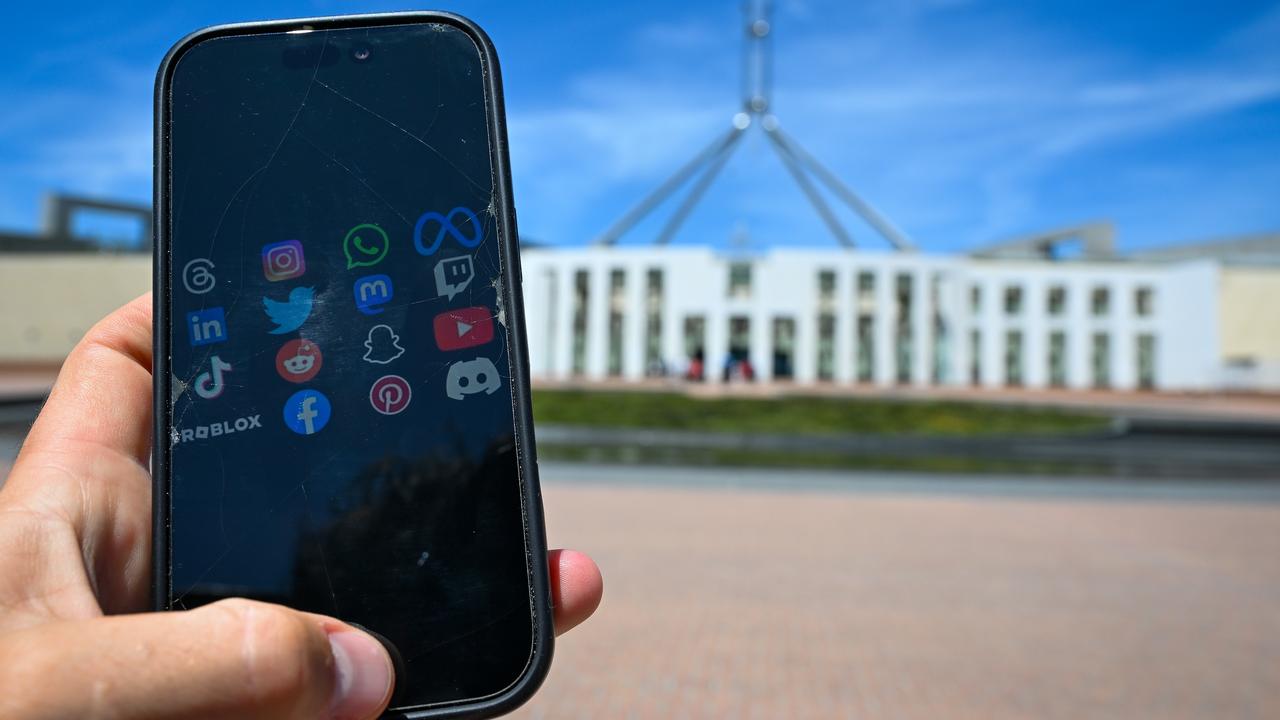
The ability to opt out would go some way to reducing the addictive nature of social media, Swinburne University media expert Belinda Barnet said.
“It’s actually not that radical. It’s just kind of a move back in time to before all of these automated, essentially AI algorithms,” Dr Barnet told AAP.
“It’s not going to get rid of predators or the many other issues that they could encounter on digital platforms … this is really just removing one of the addictive elements from it.”
The plan has already been criticised by the coalition, which claims the policy is overreach and could amount to censorship.
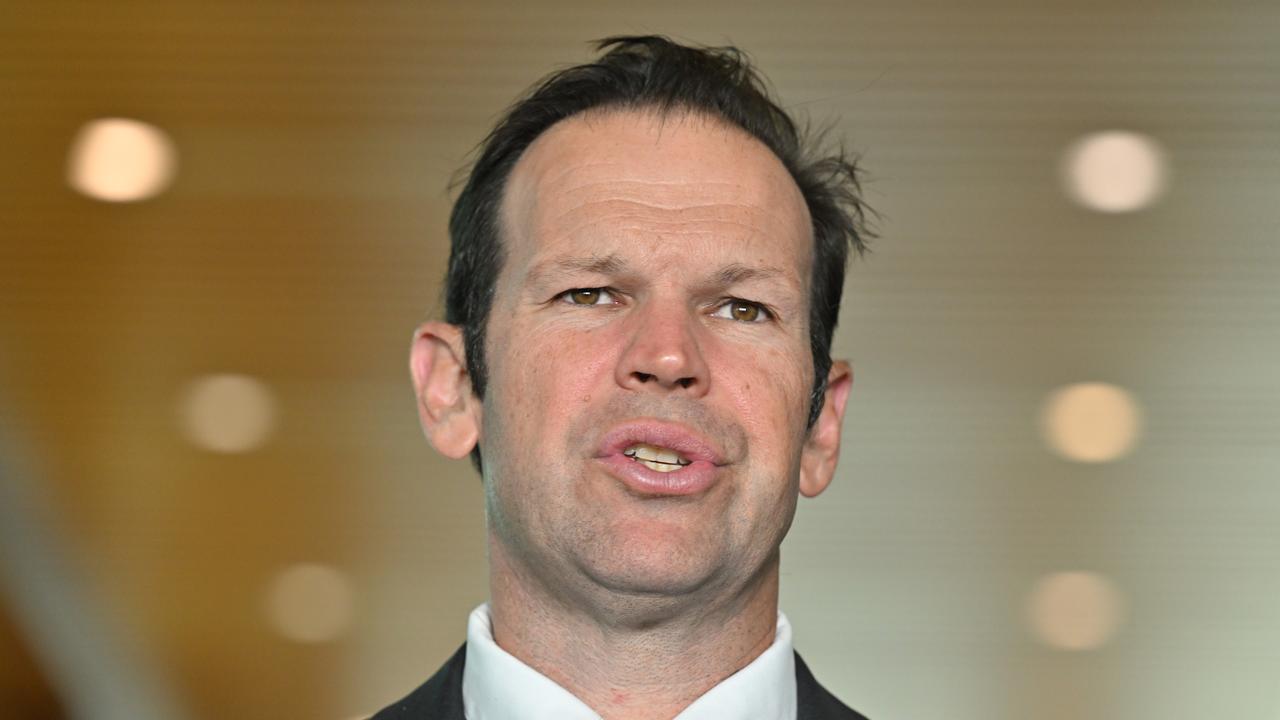
Governments should not have the power to control social media content, Nationals leader Matt Canavan said.
“People should be able to freely express their views, and any attempt to silence or gag or influence those by governments should be absolutely rejected in a free and open democratic society,” Senator Canavan told reporters.
Dr Barnet has advocated for an opt-in approach instead of the proposed opt-out.
She said while the algorithm opt-out sounded scary at first, it only removed one addictive element.
“Is it a form of censorship to say that our kids can’t watch an adult-only movie?” she said.
“I guess you could argue that it is, but the reason that we’re saying they can’t watch that is actually to prevent harm.”
AAP