‘Historic’ native title claim could advance quickly
Allanah Sciberras and William Ton |
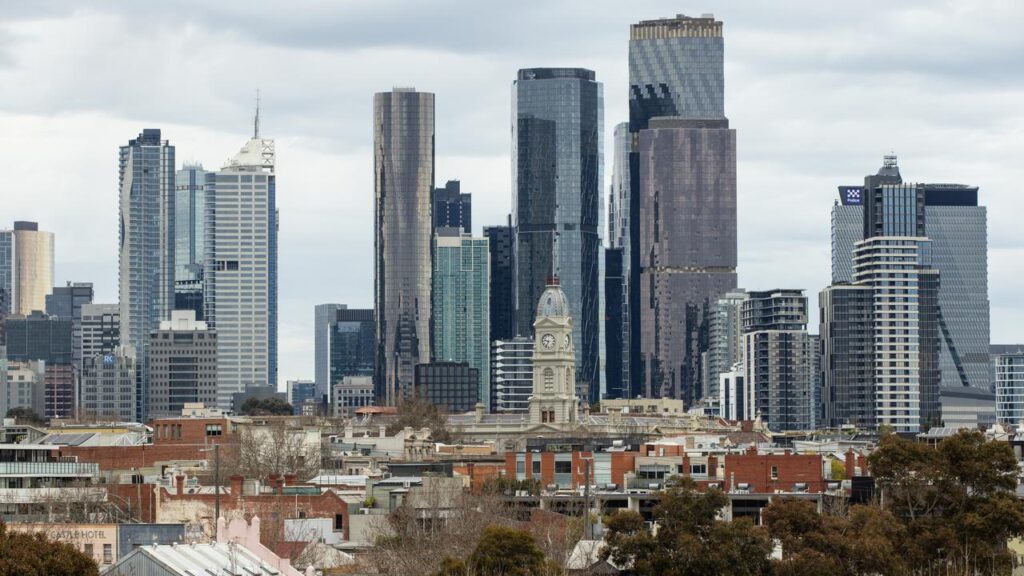
A native title claim over an area that includes Melbourne has been lodged by Traditional Owners and could progress quickly through the courts.
Covering thousands of square kilometres, the claim area includes most of metropolitan Melbourne and was filed by the Wurundjeri Woi-wurrung people in the Federal Court on Friday.
It spans territory north of the city to beyond the Great Dividing Range, west to the Werribee River, east towards Mount Baw Baw and south to Mordialloc Creek.
Traditional Owners are seeking the right to “speak for”, make decisions on, have access to and protect local areas of significance.

The claim would not override existing property rights and would not affect private homes, businesses or public infrastructure, according to the group.
The application, filed by law firm Slater and Gordon, marked a “historic” step towards justice and recognition of Wurundjeri Woi-wurrung people’s ongoing cultural authority in relation to their traditional Country, the claimants said.
Although native title claims often take several years to finalise, the latest claim could progress more quickly if it’s well-prepared in advance, supported by active courts and engaged state bodies, First Nations Legal and Research Service chief executive Tony Kelly told AAP.
To succeed with the claim, the Wurundjeri Woi-wurrung people must prove their connection to country, which would be the central consideration of the case if it goes to trial.
The case will proceed to trial only if the evidence is not strong enough to support a consent determination.
“In Victoria, the history of dispossession has had such a big impact that to produce evidence that is going to stand scrutiny of a trial is really difficult,” Mr Kelly said.
“To go to trial, you would have a very difficult chance of winning.”

Premier Jacinta Allan said it was too early to get into the details of the claim but stressed it was “not touching private property”.
“What it is does is provide for that connection between Country and waters for Traditional Owners,” she told reporters on Monday.
“I hope there’s not going to be any repeat of some of the behaviour of the past in how this is talked about.
“This is a positive thing for Traditional Owner groups to come to their determination that they are ready to take this step because this is a significant step and the Wurundjeri are only at the beginning of this process.”
The Wurundjeri people had been at the forefront of protecting culture and Country in Melbourne and surrounds for decades, Elder Perry Wandin said.
“It is now time for the traditional lore and customs of the Wurundjeri Woi-wurrung people to be recognised,” he said.
Aunty Di Kerr said the case was about acknowledgement and respect.
“It’s about ensuring our connection to Country is recognised in law as it has always existed in truth,” she said.
Seven native title claims have been granted in Victoria by the courts while six claims, covering the majority of the state, remain pending.
The Noongar people achieved native title settlement over an area covering Perth in 2021 and the Kaurna people were successful in their claim over an area including Adelaide in 2018.
The Wurundjeri Woi-wurrung people intend to work constructively with the Victorian government and neighbouring traditional owner groups to seek agreement on the claim.
The native title claim application follows the separate, nation-leading treaty laws passing the state parliament weeks earlier.
Negotiations between the government and the Indigenous representative body will not start until July 2026, but the government will hold a public ratification with the First Peoples Assembly at Federation Square on December 12.
AAP