Australia urged to go west to spark a green iron boom
Jennifer Dudley-Nicholson |
Australia could almost quadruple the value of its iron ore exports by turning the mineral green, a study has found, but the industry’s transformation should begin outside its traditional mining heartland.
The Superpower Institute issued the advice on Monday in a report that examined Western Australia’s green iron opportunity and identified the state’s Mid West, rather than the Pilbara, as the most promising location for early projects.
Australian green iron could generate up to $386 billion annually by 2060, the report said, up from $100 billion from iron ore exports.
The findings come weeks after Australia signed a deal with South Korea to boost trade in green metals and after researchers urged the nation to accelerate green iron development to secure trade with China.
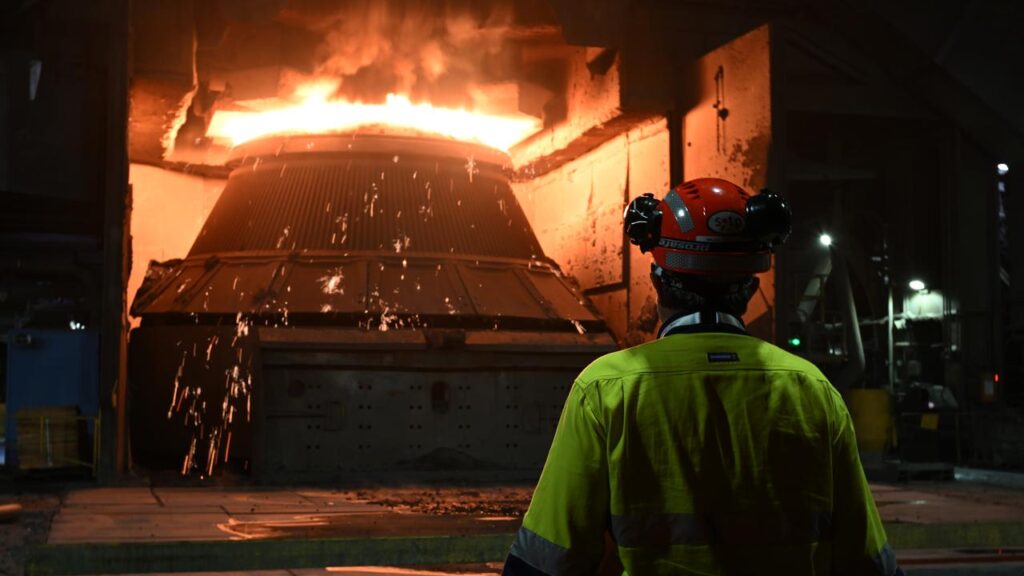
Green iron is produced using renewable energy, such as solar, wind and hydrogen, and could cut 90 per cent of emissions from the steelmaking process.
The study, called the Western Australia Green Iron Roadmap, assessed three regions within the state and modelled green iron production costs based on iron ore quality, energy connections, and infrastructure.
It found Med West offered the lowest production prices for green iron, estimating it could cost $1099 a tonne using local ore and continuous production technology – $904 less than in the Pilbara.
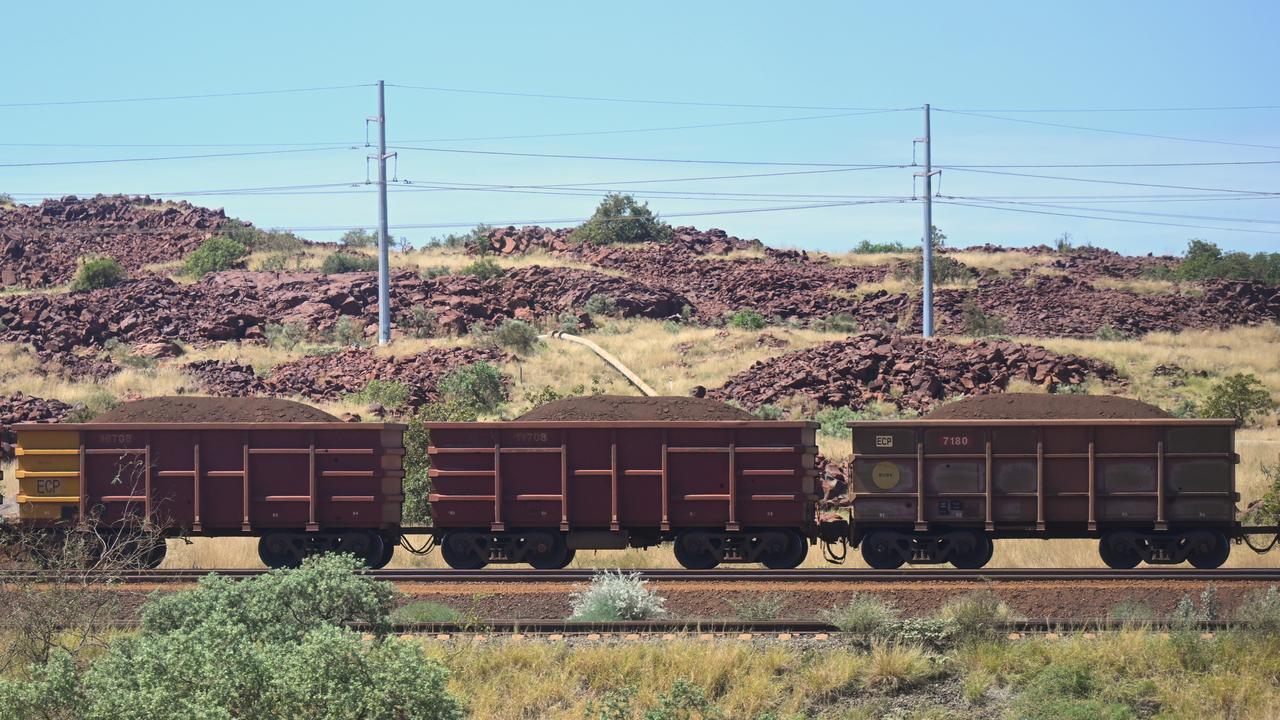
Even transporting iron ore from the Pilbara to the Mid West for processing could save $731 a tonne because of better access to the electricity grid and lower construction costs, according to the report.
The findings underlined the need for governments to target the region for green iron projects, The Superpower Institute West Australian program director Jessica Shaw said.
“The Mid West is the most practical place to start, with the right ore, access to the grid and existing infrastructure,” she said.
The report recommended the state government target one or two early commercial-scale green iron projects in the Mid West while preparing the Pilbara for large-scale production.
Governments should focus investment on infrastructure for all producers rather than underwrite individual projects, it said, and should support green hydrogen production, not subsidise gas.
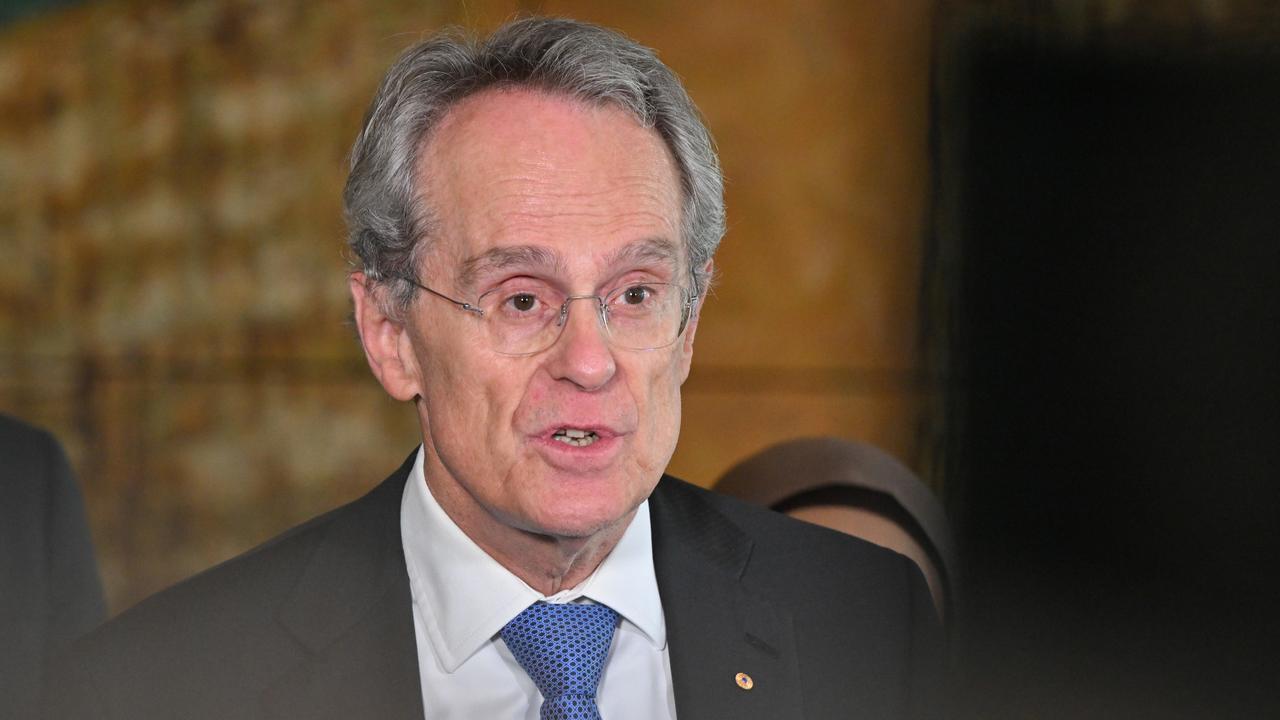
Superpower Institute chair Rod Sims said establishing the industry should be the WA government’s top priority to ensure it remains Australia’s economic backbone.
“Currently, the iron ore industry is valued at around $100 billion per year,” he said.
“By processing the ore in Australia and producing green iron, we have a $400 billion export opportunity.”
The report comes amid growing international investment, and University of Queensland professor Christoph Nedopil said the country would need to act within two years to seize the opportunity.
“Around 19 per cent of Australia’s global exports are one product to one country – iron ore to China,” he said.
“But China’s steel sector is transitioning … with plans to cut steel emissions by 40 per cent over the next 15 years.”
AAP