Economic growth tipped in data but dark shadows remain
Andrew Brown |
Australia’s economy is poised to reveal signs of growth despite recession concerns.
September quarter national accounts data will be released on Wednesday, with economists tipping a 0.4 per cent rise for the three months and two per cent for the year.
A rise in unemployment to 4.9 per cent and a spike in inflation have increased fears of a recession driven by global volatility and the war in Iran.
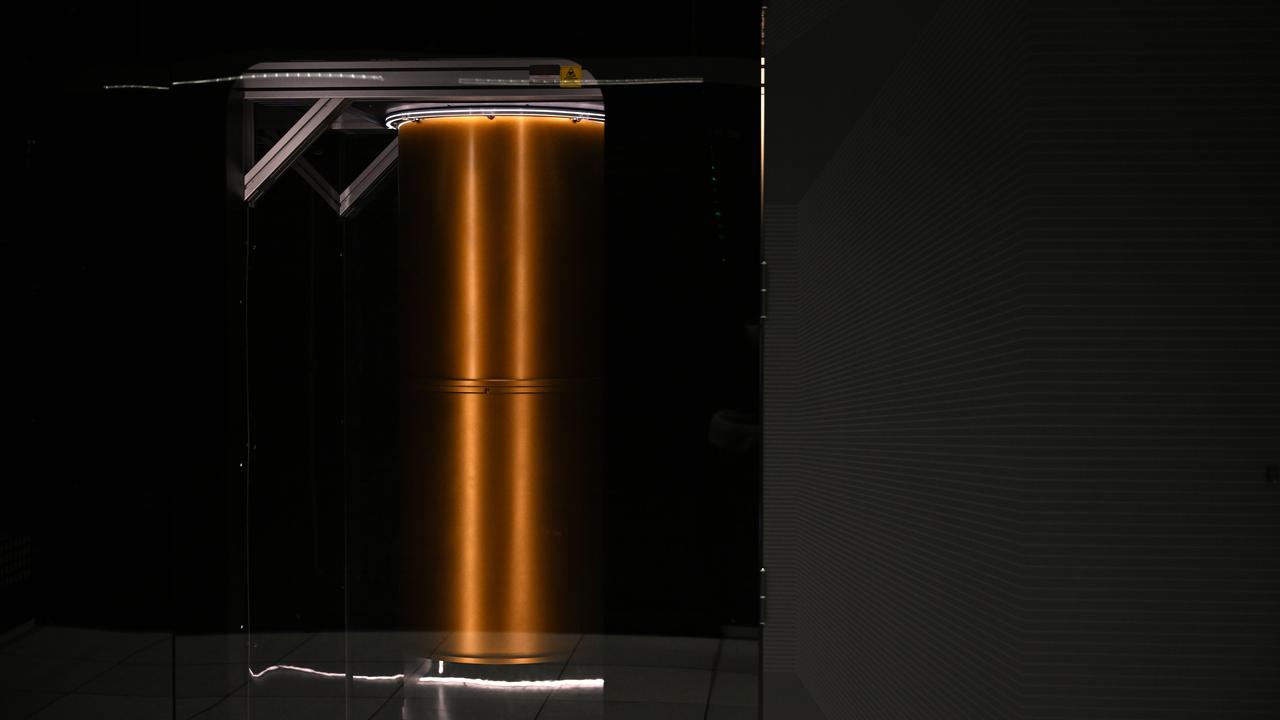
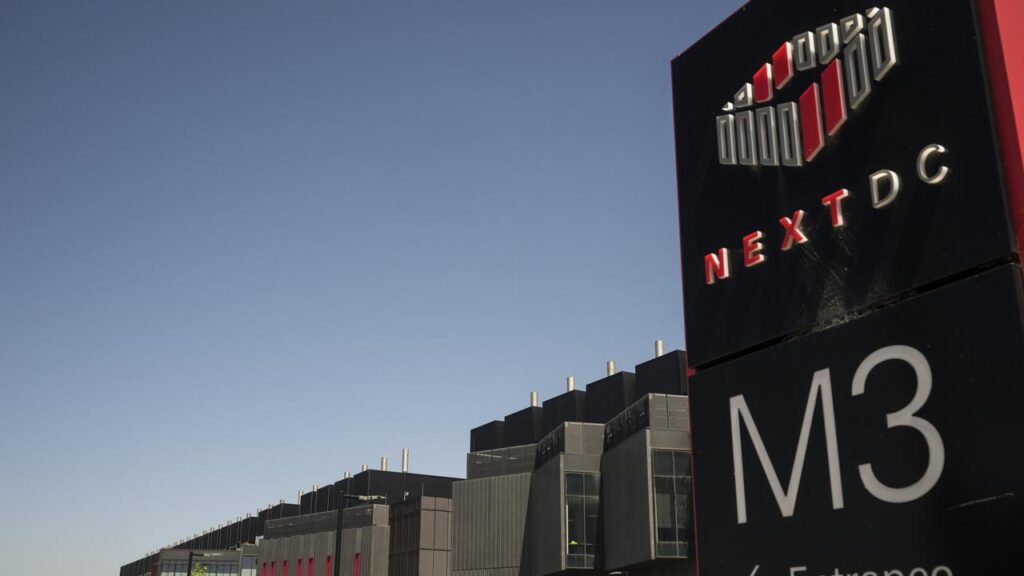
But business investment and growth in data centres are likely to drive a rise in Australia’s economic output for the quarter.
Data centre growth was expected to be “lumpy” for the quarter, NAB economist Jessie Cameron said.
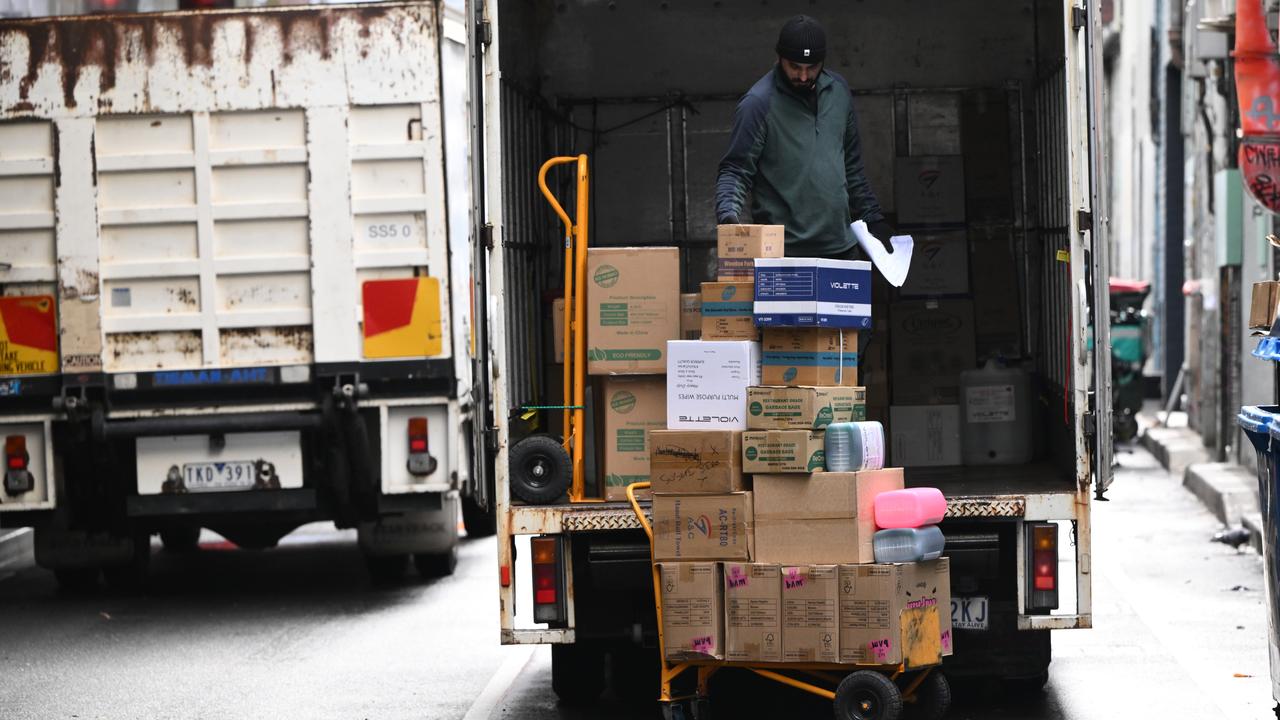
“Because (data centre growth is) highly import-intensive, its contribution to GDP will be more modest after accounting for a sizeable drag from net exports,” she said.
“Household consumption and dwelling investment are expected to make modest contributions to growth, while final public demand is expected to be supported by growth in public consumption.”
Despite the optimistic growth figures, Ms Cameron said the GDP data could be outdated given the slowdown in the economy in the year’s final quarter.
Westpac senior economist Pat Bustamante sees the economy showing patches of resilience.
“This is partly due to a significant tailwind coming from an unprecedented business investment surge centred on data centres, renewables and the infrastructure required to roll out the AI revolution,” he said.
The rollout of tax cuts from July and a rise in the minimum wage had provided some bright spots, Mr Bustamante said.
However, those effects were likely to fade over time.
“The drag from a sharp deterioration in the established housing market and higher interest rates will become more visible through 2027,” Mr Bustamante said.
Monthly household spending data, due on Monday, will also provide a critical insight into how the economy is holding up.
Economists are tipping month-on-month spending to fall 0.2 per cent.
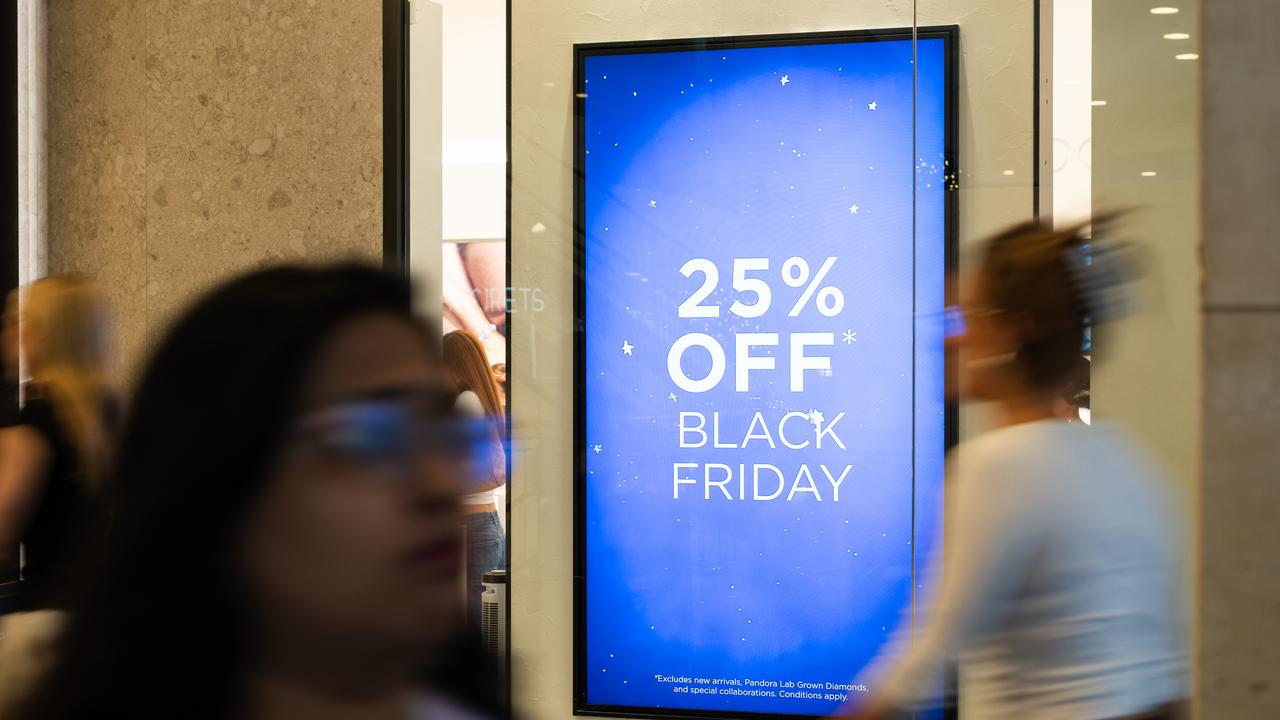
Despite the drop, economists are not concerned as many shoppers would have been waiting for Black Friday sales, which the latest data would not reflect.
“Previous years have reflected lower spending in the surrounding months and a boost to November spending as the importance of Black Friday has grown,” Ms Cameron said.
“Nevertheless, growth in both spending on household and personal goods appears to have slowed over recent months.”
US stock markets reopened for a shortened session on Black Friday after closing on Thursday for Thanksgiving.
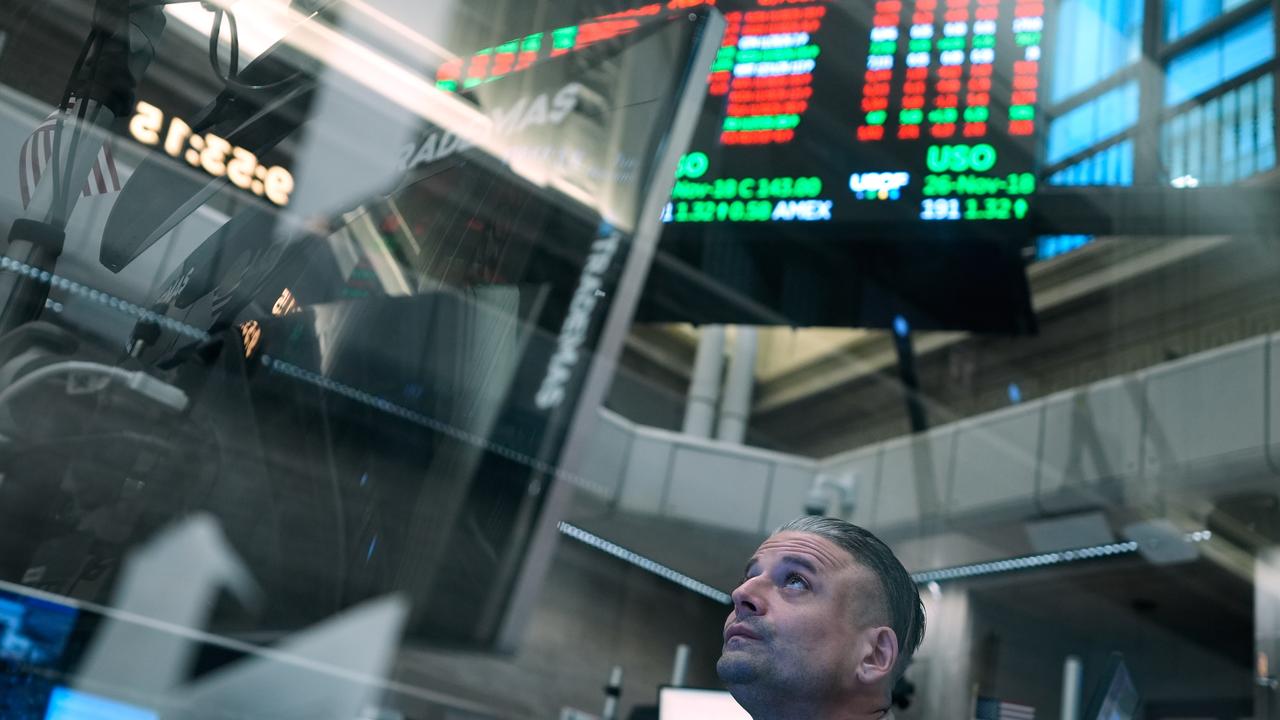
The Dow Jones Industrial Average rose 1.18 per cent to 50,774.94, the S&P 500 gained 1.60 per cent, to 7,297.49 and the Nasdaq Composite 2.31 per cent, to 24,129.50.
Australian share futures climbed 41 points, or 0.46 per cent, to 9762.
The S&P/ASX200 rose 69.8 points on Friday, up 0.8 per cent to 8833.6, as the broader All Ordinaries gained 77.6 points, or 0.88 per cent, to 8943.7.
AAP