‘Scapegoat’: ambulance boss quits amid ramping crisis
Andrew Stafford and Laine Clark |
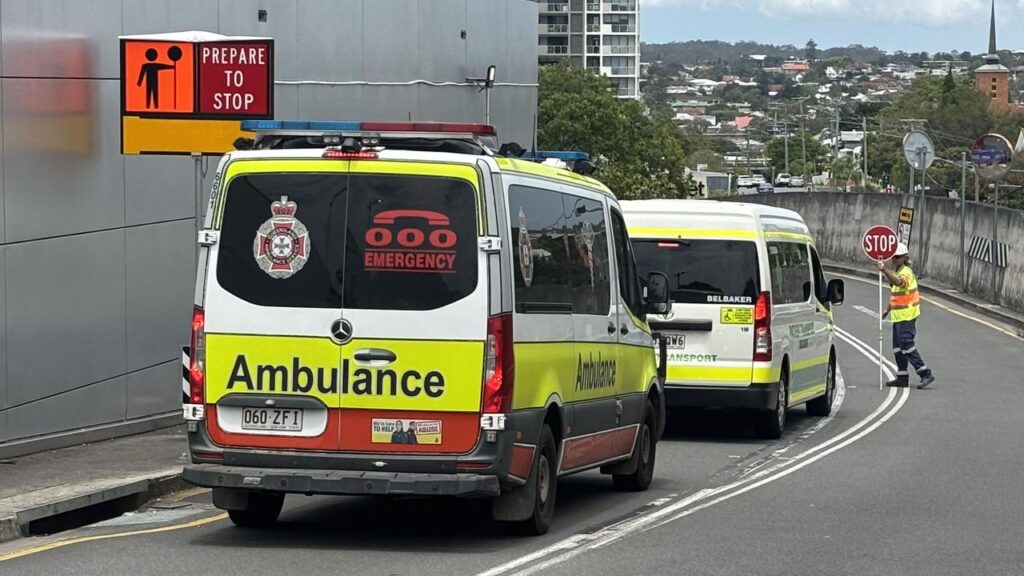
An ambulance commissioner has quit, sparking claims he has been made the “scapegoat” of a state ramping crisis following a spate of deaths.
Queensland Ambulance Commissioner Craig Emery has resigned months before his five-year contract expires, amid intense scrutiny.
Mr Emery ended his 35-year career as a paramedic after seven people died waiting for an ambulance since late June, sparking calls for a review.
He quit just two days after Health Minister Tim Nicholls expressed his full confidence in Mr Emery, who will take leave from Friday and officially finish up on December 31.
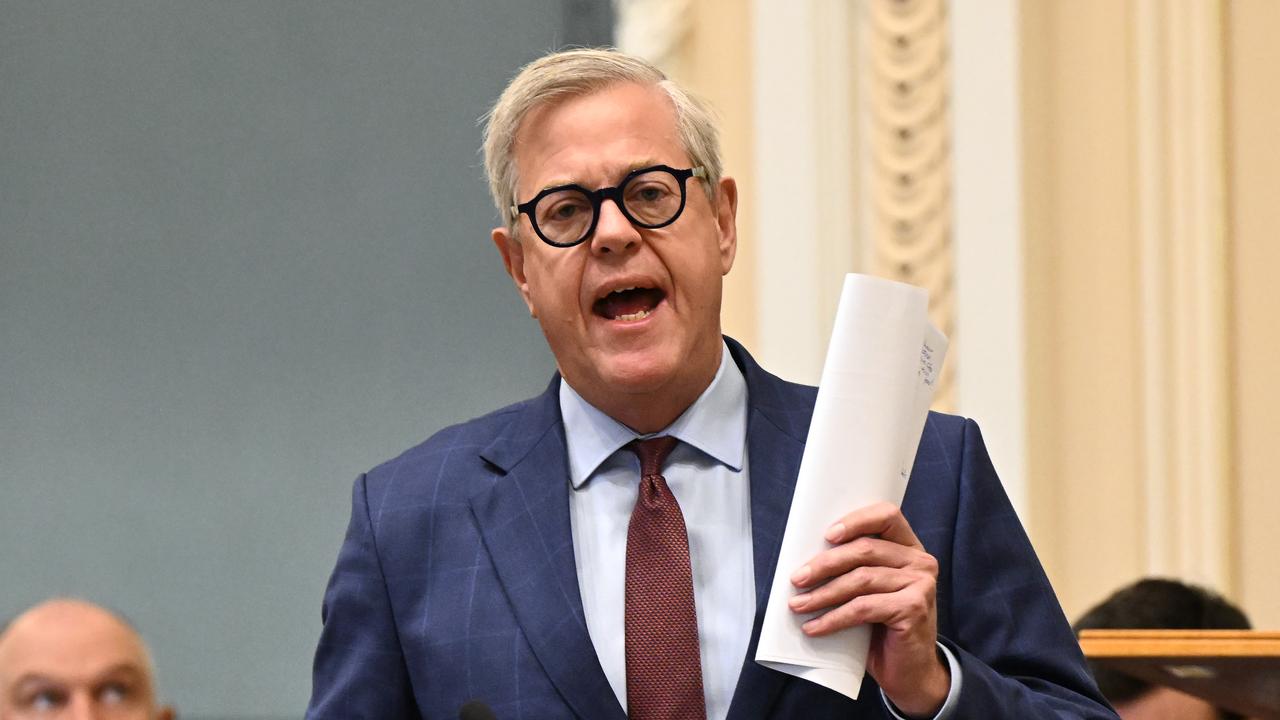
Opposition Leader Steven Miles immediately went on the attack, saying Mr Emery could only work with the resources at his disposal.
“It’s simply not good enough for Tim Nicholls to cut growth funding from our hospitals, leading to this ambulance ramping crisis, and then allow the ambulance commissioner to be the scapegoat,” he told reporters in Toowoomba on Thursday.
A dispute arose at this year’s state estimates over whether hospital and health services funding adequately matched demand, with the state government maintaining growth was factored into its record $35.5 billion health budget.
United Workers Union Queensland secretary Fiona Scalon also suggested Mr Emery had been made a fall guy for the ramping crisis.
“It’s not hard to see that the Commissioner has either been pressured or pushed from his position,” she said in a statement.
“Real fixes for the ramping crisis don’t sit on the QAS Commissioner’s desk – they sit on the Health Minister’s desk.”
Mr Nicholls said he was surprised when advised about 3pm on Wednesday that Mr Emery had resigned and denied it was due to government pressure.
“No one was familiar with Craig’s announcement, because Craig only told me yesterday afternoon,” he said.
“I wish Mr Emery all the best and would like to thank him for his service.”
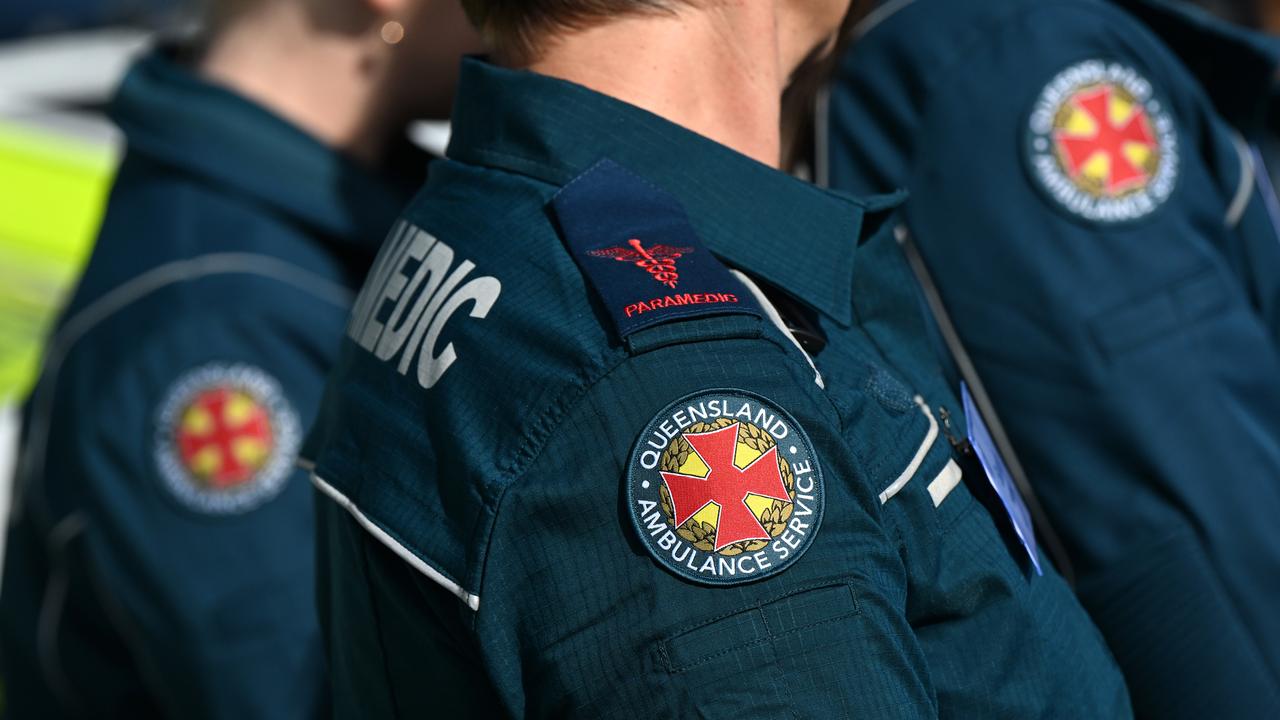
There have been calls for a review after the seven deaths, including six in the past five weeks.
It included a woman who called triple zero in vain eight times over seven hours on October 27 and a man who died 18 hours after his wife called for help on November 13.
The deaths – which are being investigated as preventable – placed pressure on Mr Nicholls, who came under fire for his handling of the tragedies.
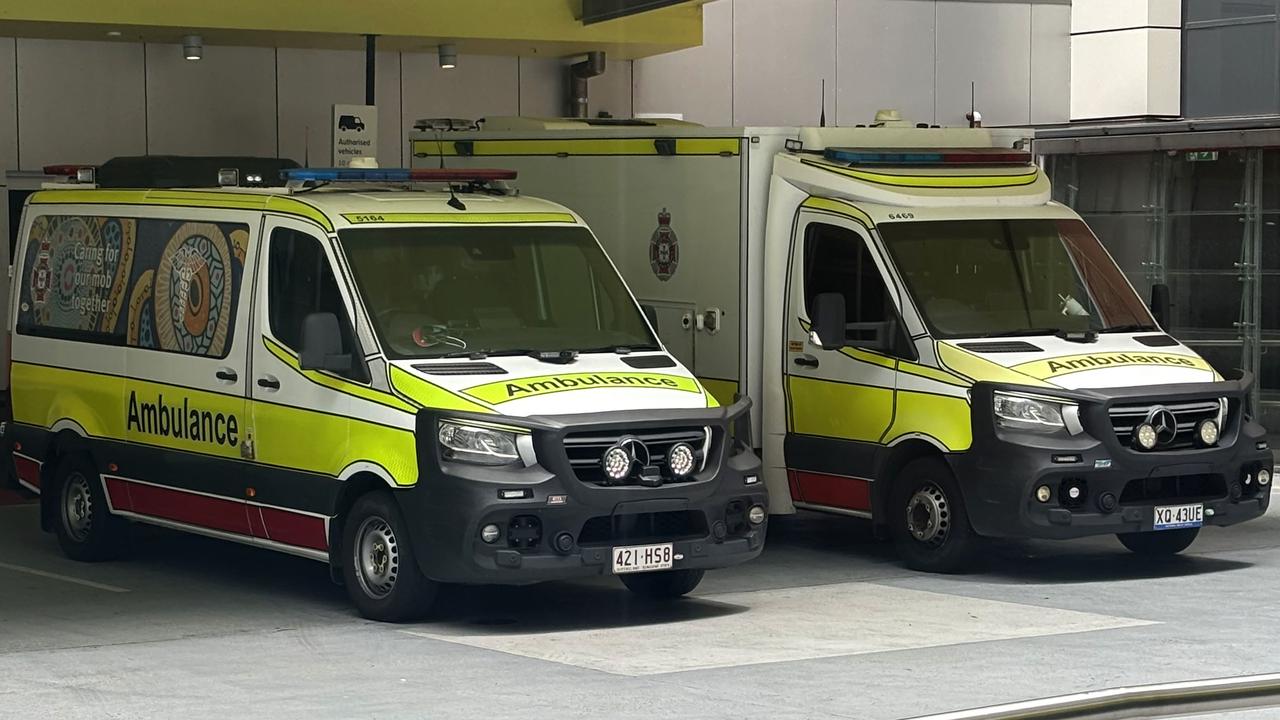
Mr Nicholls faced the media on Tuesday after days of backlash and revealed he had spoken to a number of families and next of kin, describing one conversation as “heartwarming”.
He also accepted factors including an ageing population and patients stranded in hospitals while awaiting NDIS or aged care placements had put pressure on the hospital system.
Meanwhile, a recruitment drive has been launched with Deputy David Hartley stepping up as acting Ambulance Commissioner.
AAP