‘Monumentous day’ as conversion ban to become law
Ethan James |
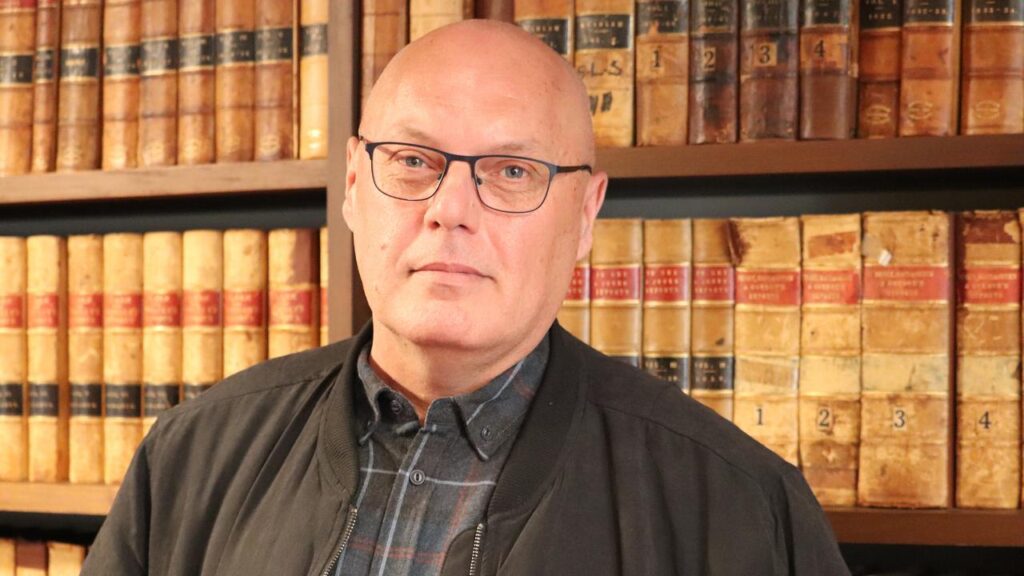
Glen Worrell went through two decades of conversion practices aimed at changing his sexual orientation.
He hopes new laws in Tasmania mean others will never have to do the same.
The island state’s upper house of parliament on Wednesday passed legislation to ban the practice, giving the green light for the changes to become law.
Conversion practices, often labelled as a “therapy”, are aimed at changing or suppressing someone’s sexual orientation or gender identity.
The reforms in Tasmania come after a decade-long campaign and bring the state into line with NSW, Victoria, Queensland, South Australia and the ACT.
“I was quite elated and relieved. I did wonder if we would reach this moment at times,” Mr Worrell said.
“I wasn’t sure if there would be amendments that would disempower the bill. But I think it’s strong. I believe it will save lives.”
One in 20 young LGBTQIA+ Tasmanians have been subjected to conversion practices and are at a higher risk of suicide, according to research from La Trobe and Macquarie universities.
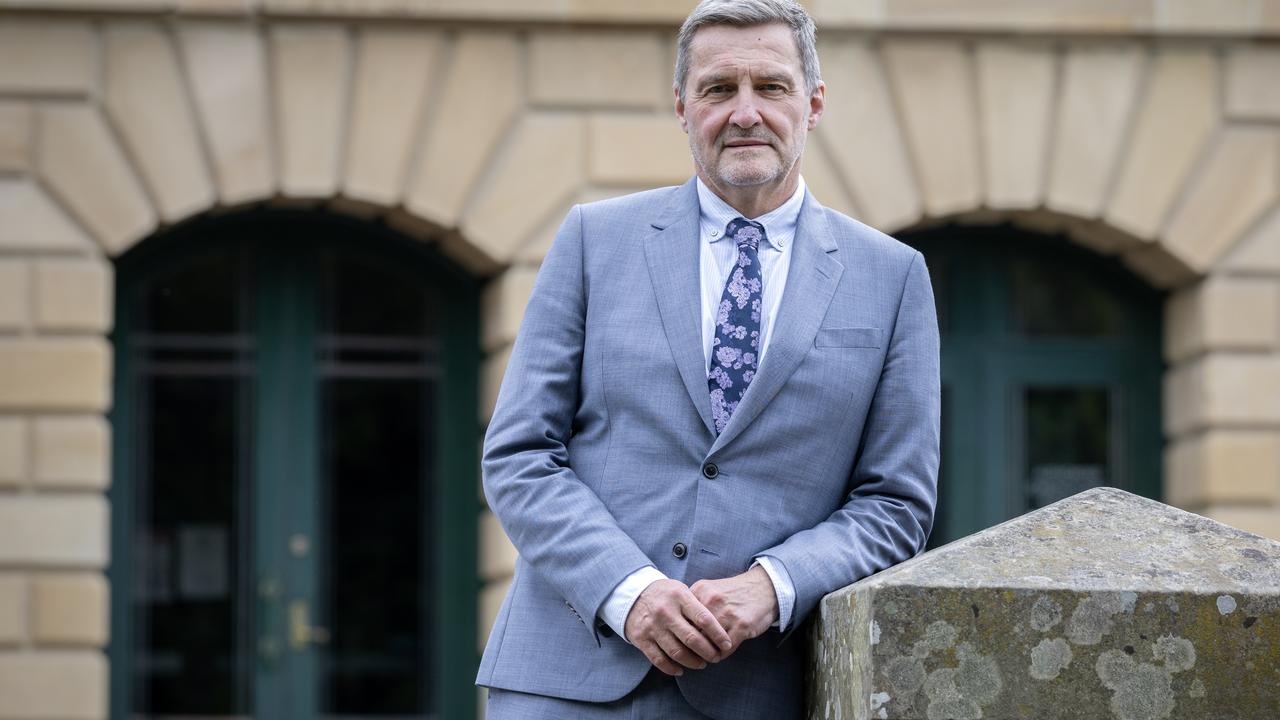
Equality Tasmania’s Rodney Croome said it was a momentous day for the state.
“My hope has always been for young people to feel supported and celebrated for who they are, and never forced to be someone they’re not,” he said.
“The dangerous and dehumanising practice I endured ends now.”
The laws include several nation-leading features, such as the creation of a commissioner to educate, prevent and respond to any conversion practices.
Survivors can receive financial compensation and there is a mandatory responsibility for government bodies to refer conversion practices to the commissioner.
The laws make it a criminal offence if people intentionally engage in conversion practices or they cause injury, as well as if negligence towards injury is evident.
Independent upper house MP Bec Thomas said the legislation sent a clear message about “the Tasmania we want to be”.
“A place where shame is not used as a tool of control. A Tasmania where every person can live with dignity and authenticity,” she told parliament.
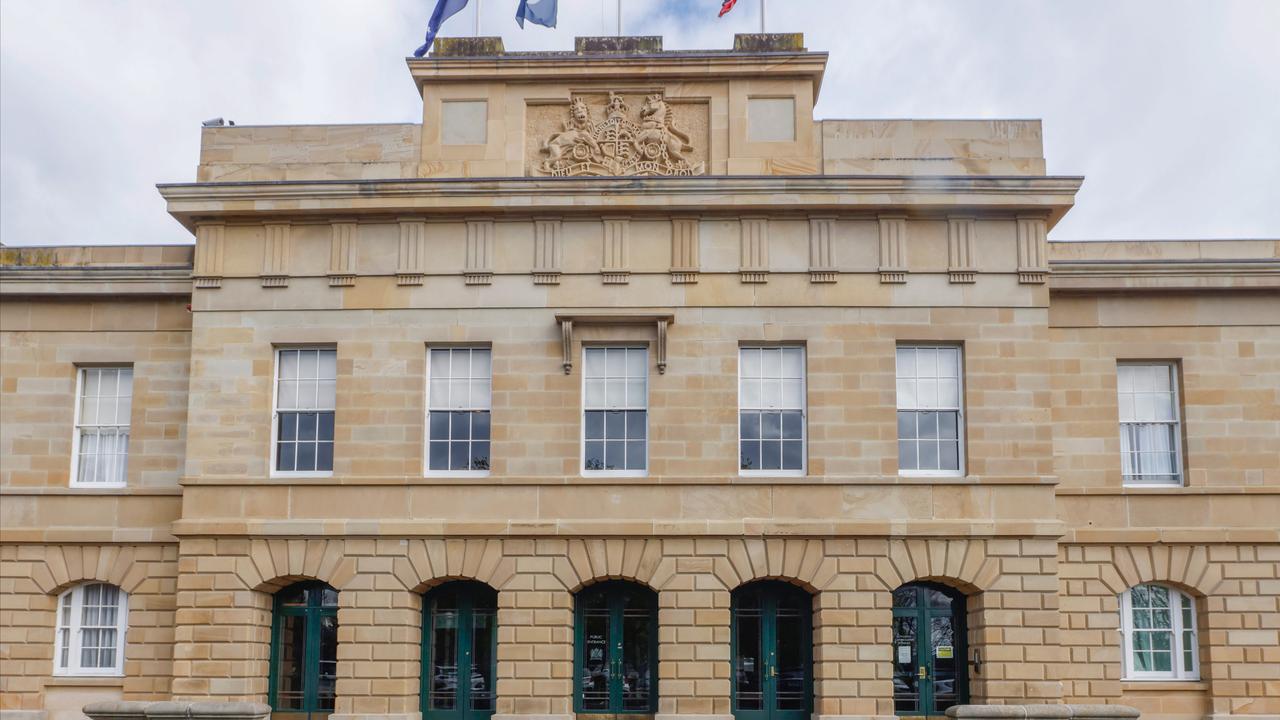
Tasmania’s lower house in October passed the legislation, which was put forward by the Greens and supported by Labor, some independents and a handful of governing Liberal MPs.
Premier Jeremy Rockliff, who supported the laws, said Tasmania had taken a significant step forward.
Other members of his party, including Treasurer and former senator Eric Abetz and Deputy Premier Guy Barnett, voted against the change and said the ban was overreach.
The legislation will return to the lower house for a final procedural reading.
Lifeline 13 11 14
Fullstop Australia 1800 385 578
AAP