‘Worst COP ever’: blame game after climate talks fail
Lucinda Garbutt-Young and Noah Secomb |
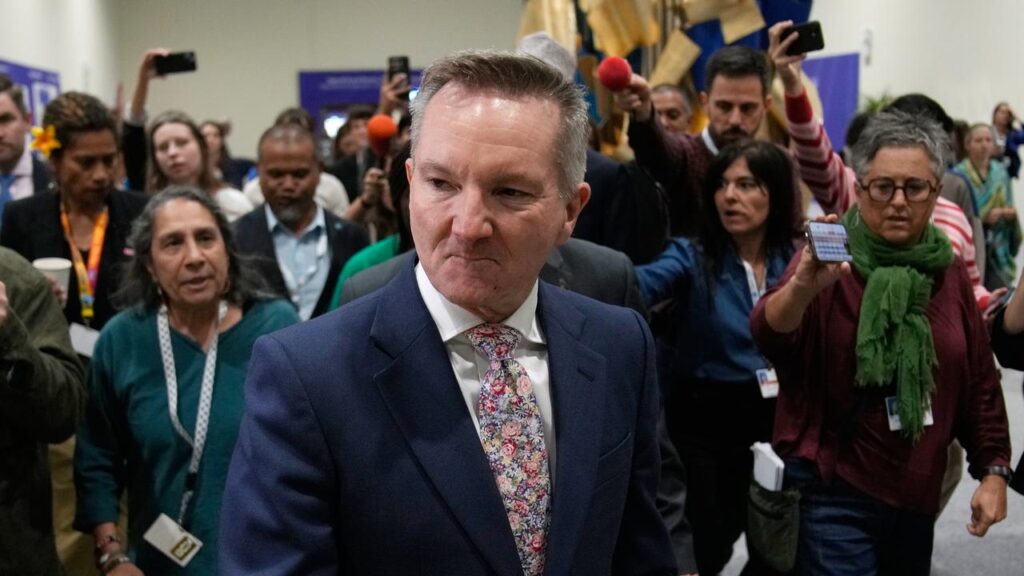
Fingers are being pointed after the world’s key climate talks ended in failure and many are being aimed at negotiation heads Australia.
The COP31 UN summit’s draft agreement – which did not mention fossil fuels’ impact on climate change – was rejected overnight after two weeks of negotiations.
The failure to reach consensus leaves Australia with a diplomatic black eye after the government lobbied hard to host the event and promoted it as a chance to highlight climate change concerns throughout the Pacific region.
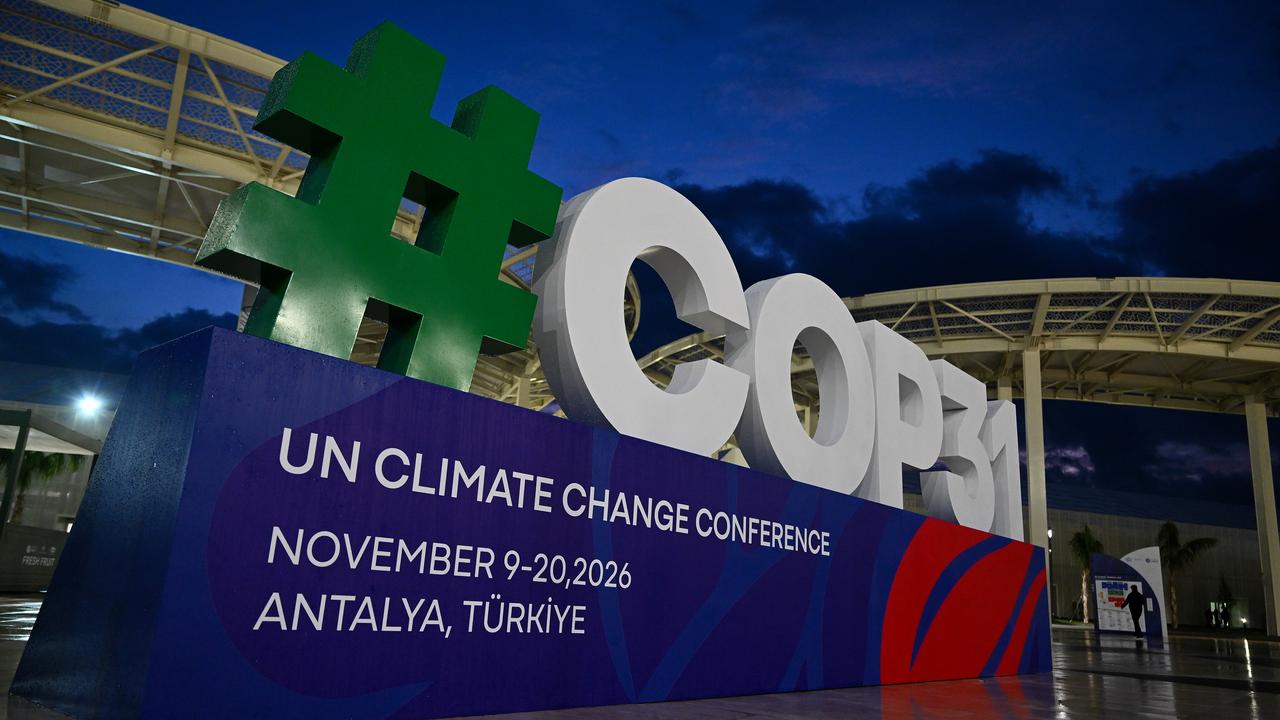
The government presided over negotiations at the summit in Turkey as part of a compromise deal with its eventual hosts, but ultimately the event will be remembered as the first COP meeting since 2009 to end without an agreement.
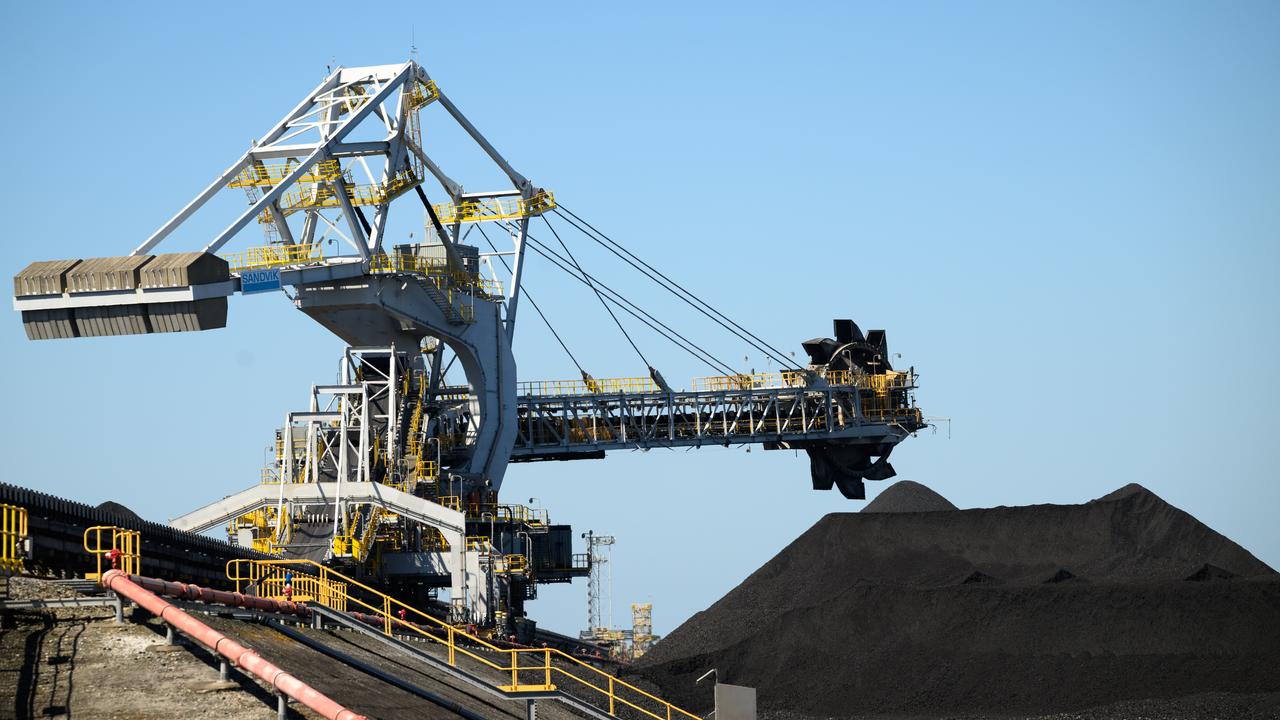
Reaching any pact on reducing fossil fuel production with resource-reliant nations such as the oil-rich Middle East powers was fundamentally fraught, according to climate experts.
Several participants, including the 27-nation European Union, said they could not accept the final proposal.
Any pact approved during the summit requires almost unanimous consensus and earlier drafts singling out fossil fuels were rejected.
The ability for resource-rich nations to derail global agreement highlighted the fundamental problem of achieving universal climate policy, according to ANU Centre for Climate and Energy Policy director Frank Jotzo.
“Fossil fuel powers will not agree to have their resource wealth devalued and rich countries won’t provide enough climate finance to the developing world,” Professor Jotzo told AAP.
“Processes outside of the consensus-based UN system become ever more important, bringing together coalitions of willing countries.”
Beyond the failure to reach a headline deal, China signed on to a target of 35 per cent electrification by 2035, and Australia was able to secure a green manufacturing agreement with South Korea.
“All that said, the flop on an overall COP decision may be less consequential than it feels right now,” Prof Jotzo said.
Energy Minister Chris Bowen was in charge of negotiations following a hefty fight to get Australia’s name on the board.
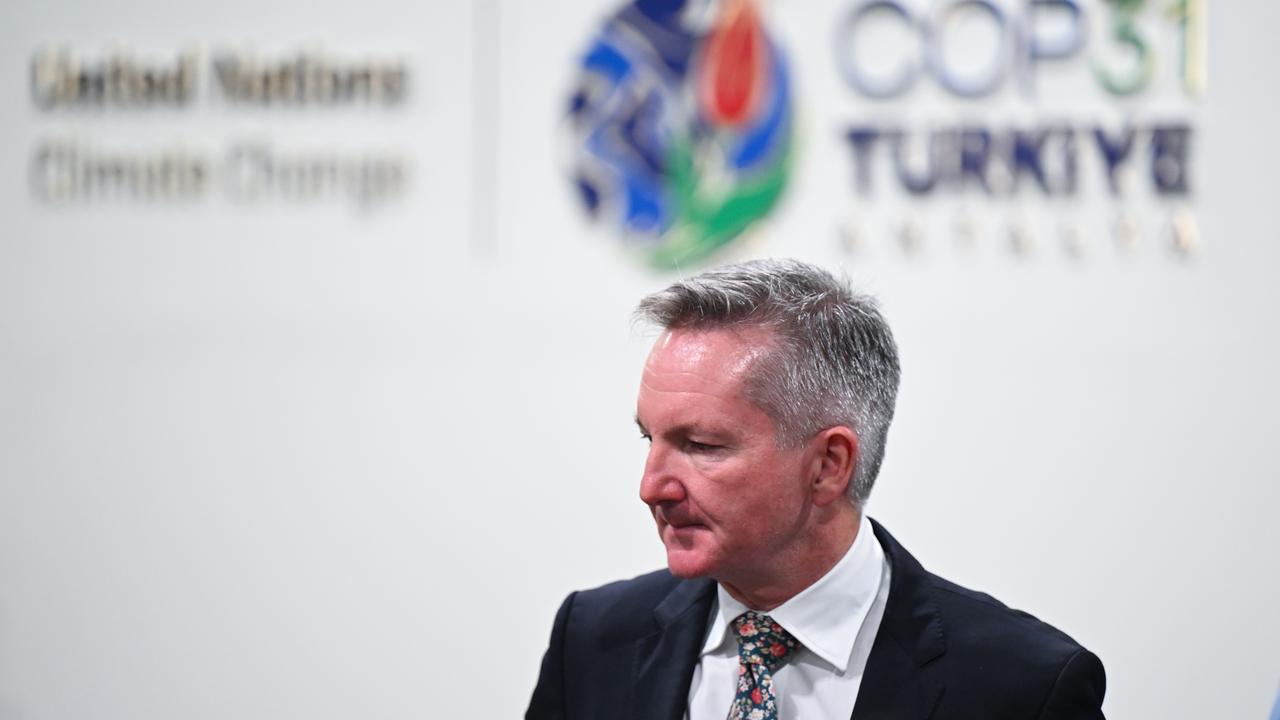
Mr Bowen said the lack of a deal was very disappointing, but the delegation from Canberra had worked its hardest.
“Ultimately, looking back, many parties who are people of good faith had very strong red lines on a couple of key issues, and, despite many, many attempts … those red lines were not able to be met,” he told reporters in Antalya.
Opposition energy spokesman Dan Tehan said the collapse of negotiations on the global stage were the minister’s failure, calling for him to resign.
“Everything Chris Bowen touches turns into a taxpayer disaster,” he said.
“What we said all along was, rather than focusing on all of this, why aren’t you focusing on providing affordable energy back here in Australia? The whole thing is an embarrassment.”
The pre-COP conference, held in Tuvalu earlier in 2026 and hosted by Australia, was intended to be a reinvigoration of the climate movement.
However, several leaders pulled out and just two from outside the Pacific attended.
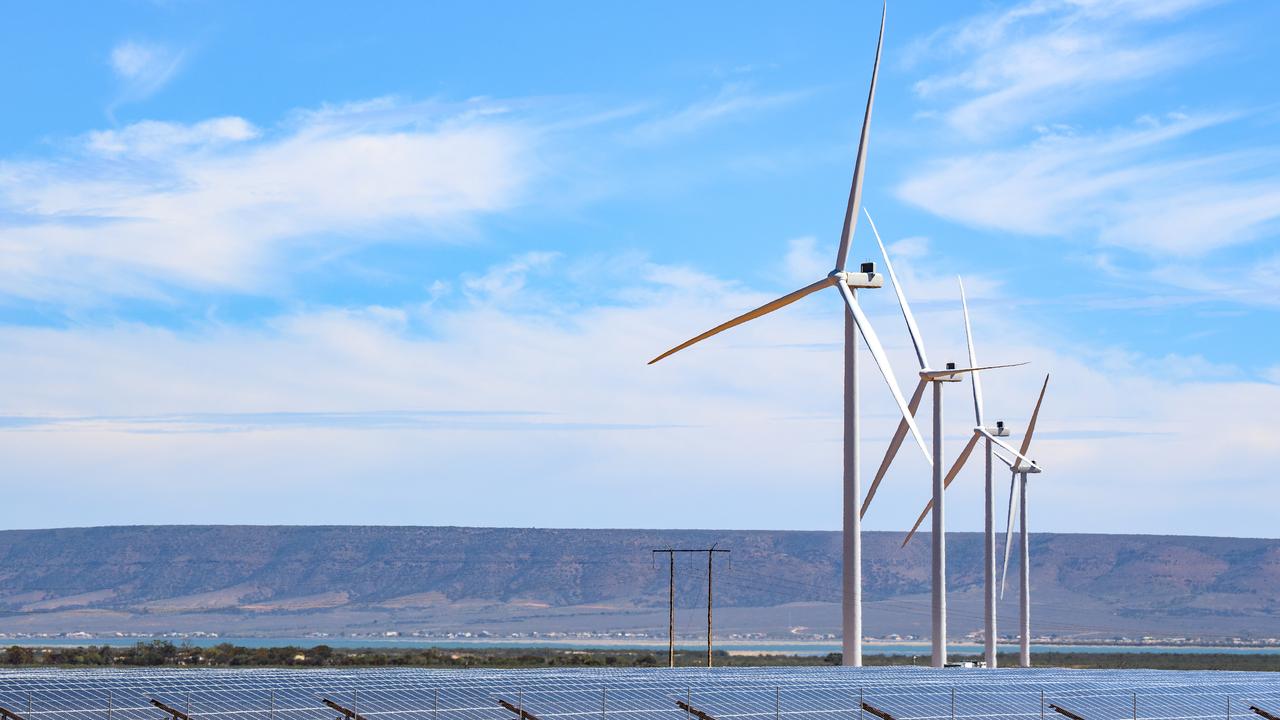
Labor is committed to reaching net-zero emissions by 2050 through backing renewable energy projects such as solar and wind, leading to the phase-out of domestic coal-fired gas plants.
But government coffers remain heavily reliant on export revenue from fossil fuels.
Bob Brown Foundation patron and former federal Greens leader Christine Milne said Labor had presumed that securing joint presidency of COP31 was ”a successful greenwash for Australia”.
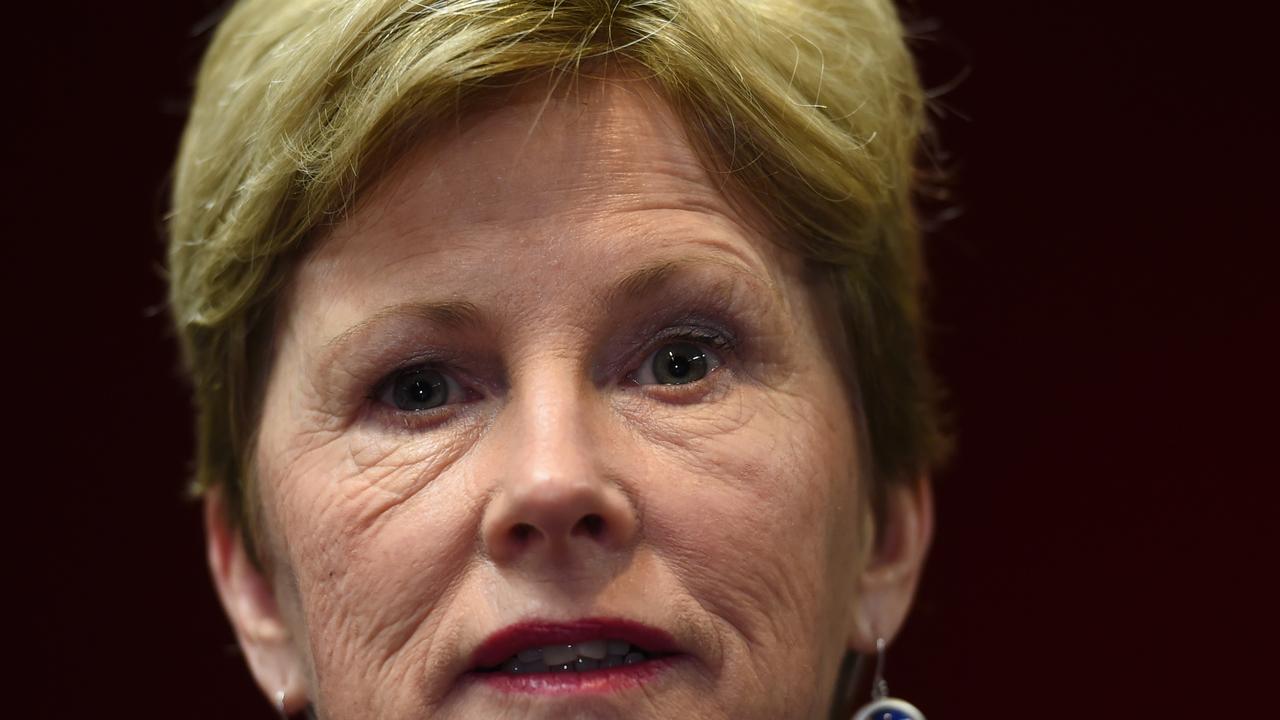
“But it turned out to be a failure for minister Bowen, an expose of Australia’s support for fossil fuels and an embarrassment for the nation,” she said.
ActionAid Australia executive director Michelle Higelin said the government must take action at home by ending the approval of fossil fuel projects after failing to deliver on the world stage.
“COP31 will be remembered as the worst COP ever,” she said.
AAP