Myanmar guilty of state-sponsored genocide: UN court
Stephanie van den Berg and Anthony Deutsch |
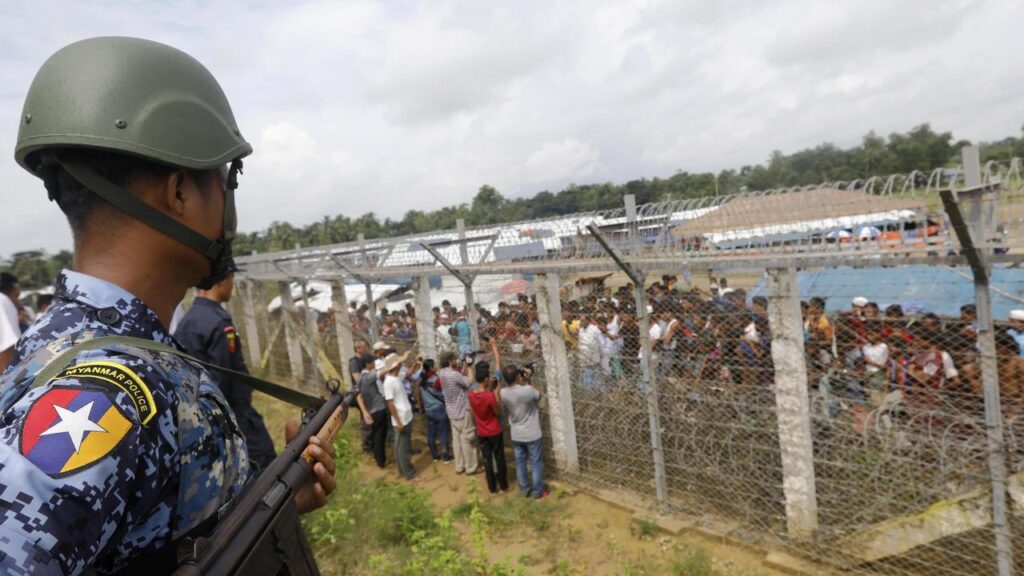
The United Nations’ highest court has ruled that thousands of killings and widespread sexual violence by Myanmar’s security forces against the nation’s Rohingya Muslim minority population in 2017 amounted to state-sponsored genocide.
Thursday’s decision, seven years after the case was filed by predominantly Muslim Gambia, marks only the fourth time since the Nazi Holocaust that an international court has ruled the legal threshold to prove genocide had been met.
It is the first time the court has held a state responsible for genocide.
“The court finds that Myanmar’s security forces killed thousands of Rohingya civilians, perpetrated widespread acts of sexual violence as well as acts of extreme violence against children and attacked fleeing Rohingya,” presiding Judge Yuji Iwasawa said.
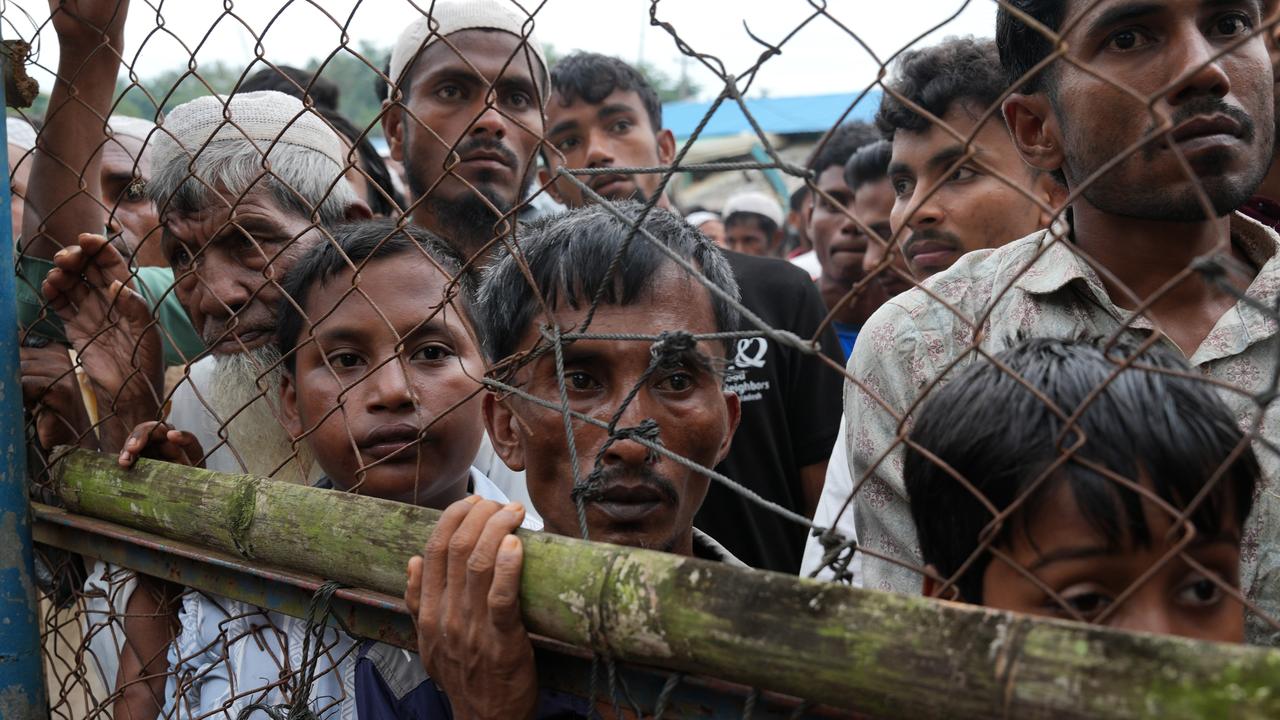
The panel found “the Republic of the Union of Myanmar has committed genocide against the Rohingya group in Northern Rakhine State”.
For the 1.2 million Rohingya forced into exile in the sprawling Cox’s Bazar refugee settlement in Bangladesh, the judgment was a moment of truth and vindication, a prominent Rohingya campaigner said.
“For decades, the Burmese military tried to erase our identity, deny our existence, and dismiss our suffering,” said Wai Wai Nu, executive director of the Women’s Peace Network and a former political prisoner.
“By finding that Myanmar committed genocide, ordering a guarantee of non-repetition, and ordering restitution and compensation, the world’s highest court has permanently shattered that state-sponsored lie.”
Myanmar’s government, which has denied genocide, saying its forces were tackling a violent insurgency, did not immediately respond to a request for comment on the ruling.
Judges found Myanmar’s military carried out mass executions of men and boys, committed widespread rape and sexual violence against Rohingya women and burned hundreds of villages during so-called clearance operations.
The court’s ruling is final and cannot be appealed.
Genocide has rarely been established in international courts, largely because prosecutors must prove a specific intent to destroy, in whole or in part, a national, ethnic, racial or religious group.
The decision by the International Court of Justice, or World Court, is expected to have repercussions far beyond Myanmar, including for South Africa’s 2023 case accusing Israel of genocide in Gaza.
Israel and Myanmar deny genocide and say their forces responded legitimately to attacks by armed groups.
The court found Myanmar responsible for genocide resulting from a military offensive that drove at least 700,000 Muslim Rohingya from the Buddhist-majority nation.
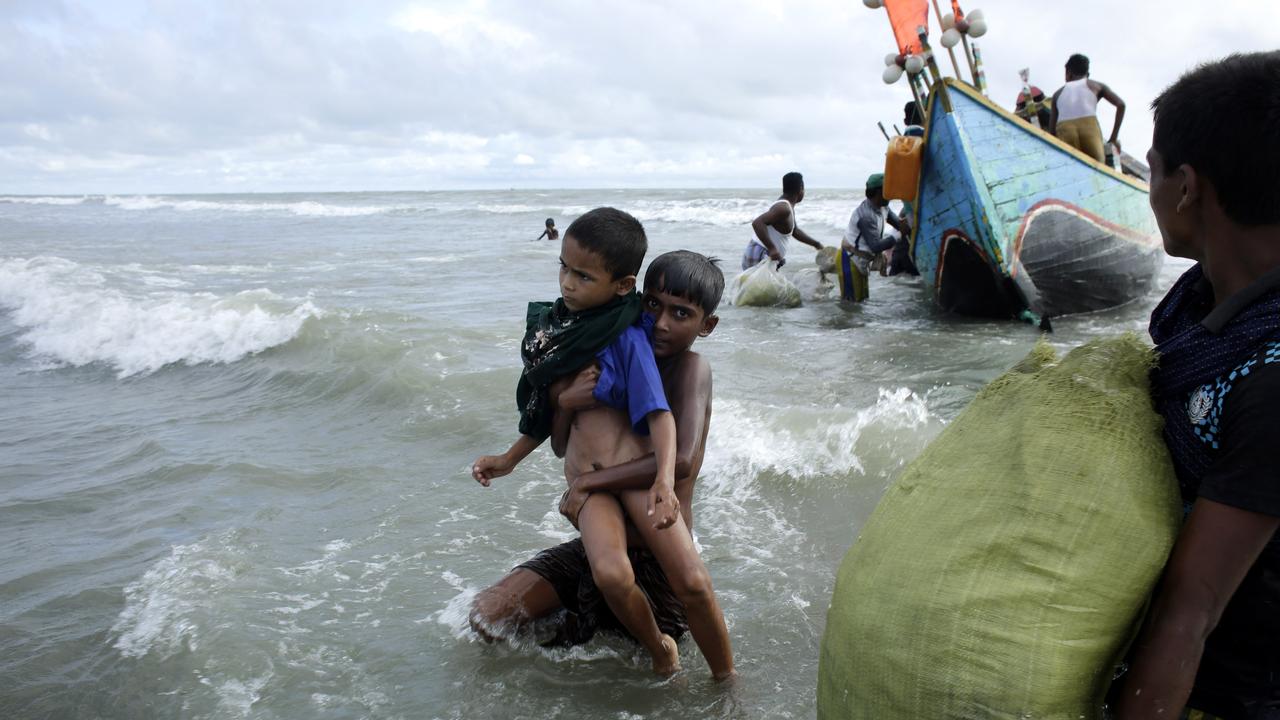
A panel of 15 judges said “the only reasonable inference that can explain Myanmar’s actions is an intention to destroy a substantial part of the protected group namely the Rohingya population in Northern Rakhine state”, meeting the legal threshold for genocide.
The court said Myanmar had an obligation to compensate the Rohingya for the violations it had committed, to be determined at a later date.
Myanmar must also allow the “safe and dignified return to their place of residence and the reunification of families for the Rohingya displaced as a result of Myanmar’s wrongful acts,” it said.
International courts previously only recognised genocide during the 1994 Rwanda genocide, the 1995 Srebrenica killings in Bosnia, and atrocities by Cambodia’s Khmer Rouge in the late 1970s.
While rulings by the ICJ, which settles disputes between states and rules on alleged breaches of international treaties, are final, the court has limited options to enforce them.
It is distinct from the International Criminal Court, which prosecutes individuals for war crimes, crimes against humanity and genocide and can impose jail terms.
Reuters