Rural pubs lose ‘best kind of tourists’ to visa changes
Lucinda Garbutt-Young and Morgan Reinwald |
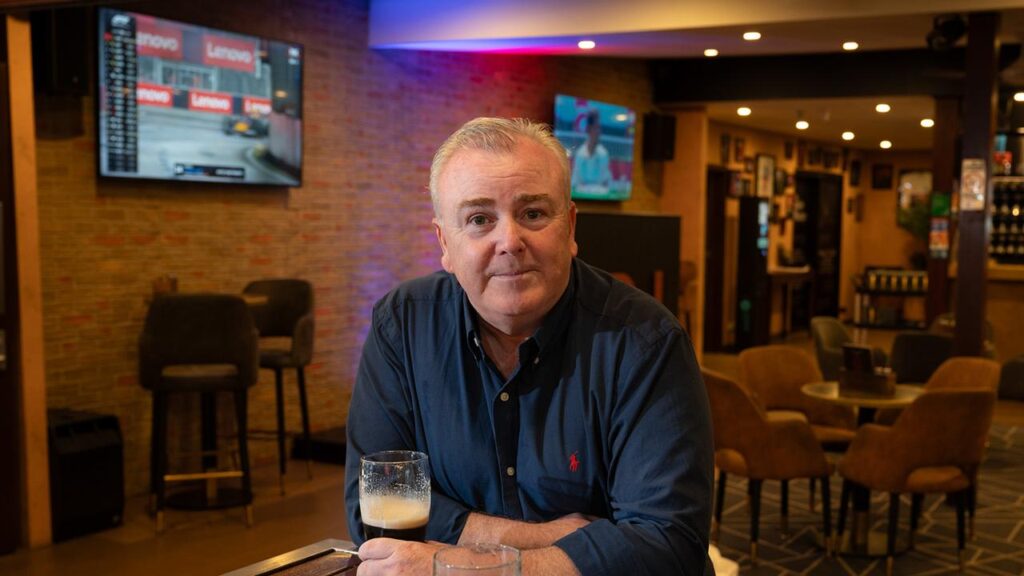
Harry Barry has spent more than three decades of his life in and out of Hoey Moey hotel.
First, as a backpacker fresh from Ireland in 1992. Now, as the owner of the Coffs Harbour venue and a string of sister establishments across the NSW mid-coast.
He sees himself in all the “kids” who arrive from overseas, full of life, to work in Australia for a couple of years, but he’s worried about the future of that pipeline.
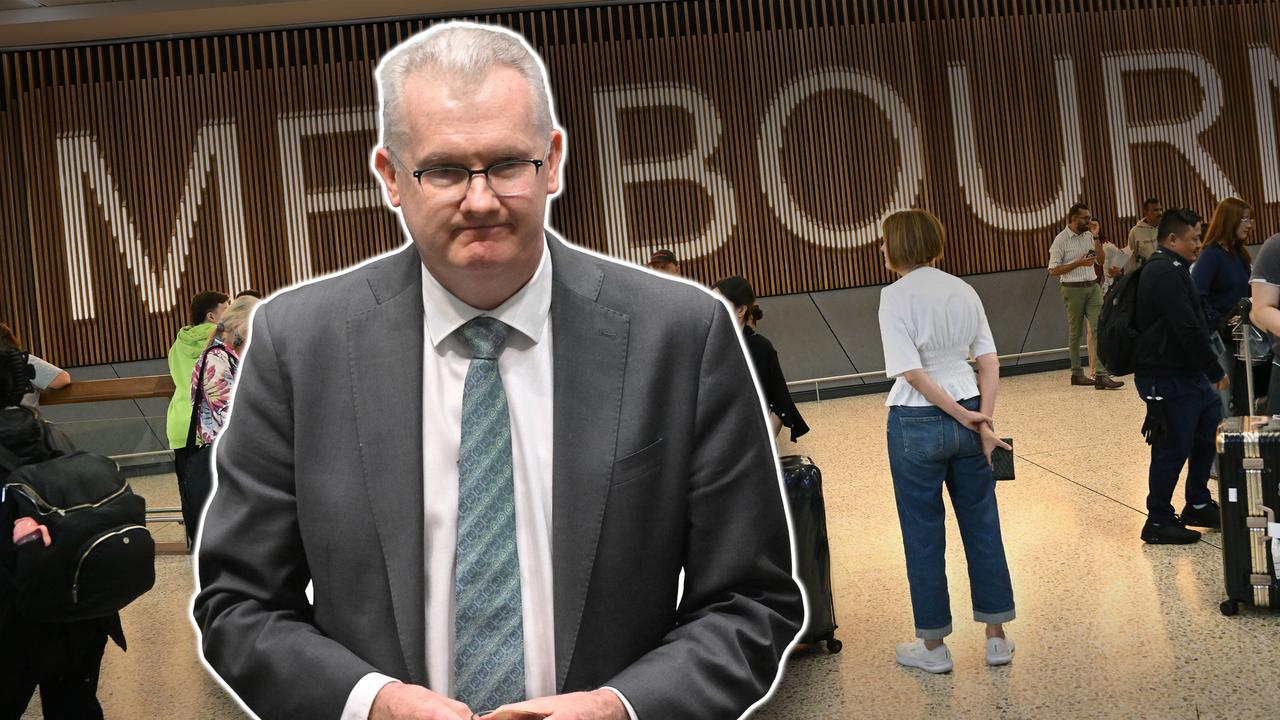
The federal government on Monday abandoned its decision to reduce third-year working holiday visas from 31,000 to just 5000.
Home Affairs Minister Tony Burke bent to pressure from the coalition, along with hospitality and agricultural sectors, to allow 25,000 people to stay.
Working holiday-makers would need to complete 120 days of regional work, up from 88 days, to qualify for a second-year visa if the plans pass parliament.
The introduction of a ballot system, originally slated to start in November, has been delayed to 2027.
While the changes have been welcomed in principle by regional venue owners like Mr Barry, there is trepidation about how they will play out.
The rules for what regional work counts towards the visa vary based on location.
Hospitality is not counted in Coffs Harbour, which Mr Barry would like to see changed.
He said even under the existing rules, many backpackers stay on in the region at his venues after completing their 88 days in jobs like fruit picking.
Those who don’t also contribute to the local economy.
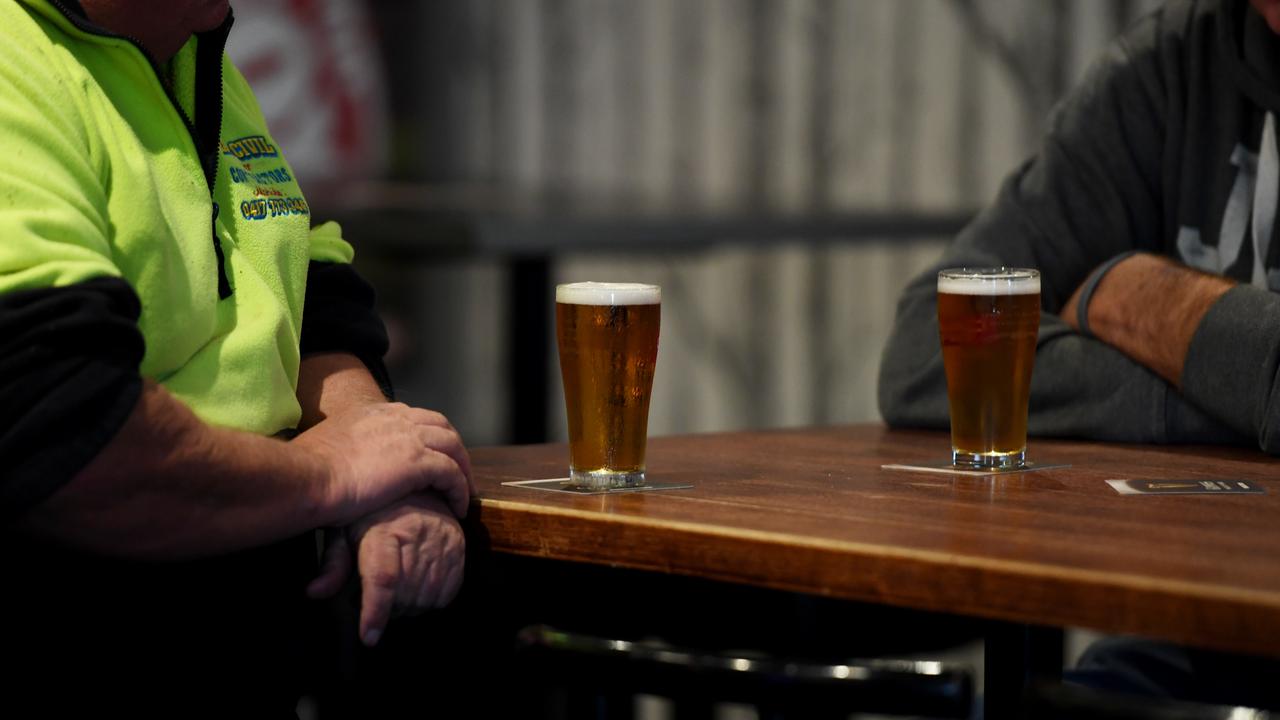
“They are the best kind of tourists,” he said.
“They stay in town. They drink beers and eat schnitties at our pubs.”
But prospective backpackers from his birth country – including his own nieces and nephews – are now eyeing off alternative places like Canada.
“What I am most anxious about now is that backpackers who do arrive will only consider Australia as a 12-month option,” Mr Barry said.
“Fruit picking, especially for four months, is hard. They see it as losing (time) from their stay here.”
Working holiday makers living out of bunk beds across Sydney confirmed his fear.
“Quite a few people, a lot of the mainland Europeans, say that they really feel a bit like they’re starting to go off the idea of doing a second year,” Michael Wills, a Scottish backpacker, said.
“It seems like it’s getting harder and harder, especially if they’re going into the propositions about doing it into a ballot.”
Mr Wills, who has lived in Australia for 18 months, is exempt from the updated regional requirements under a UK free trade agreement with Australia.
He said he wouldn’t be here if he had to do it.
“(Four months) is just such a significant chunk of time,” he said.
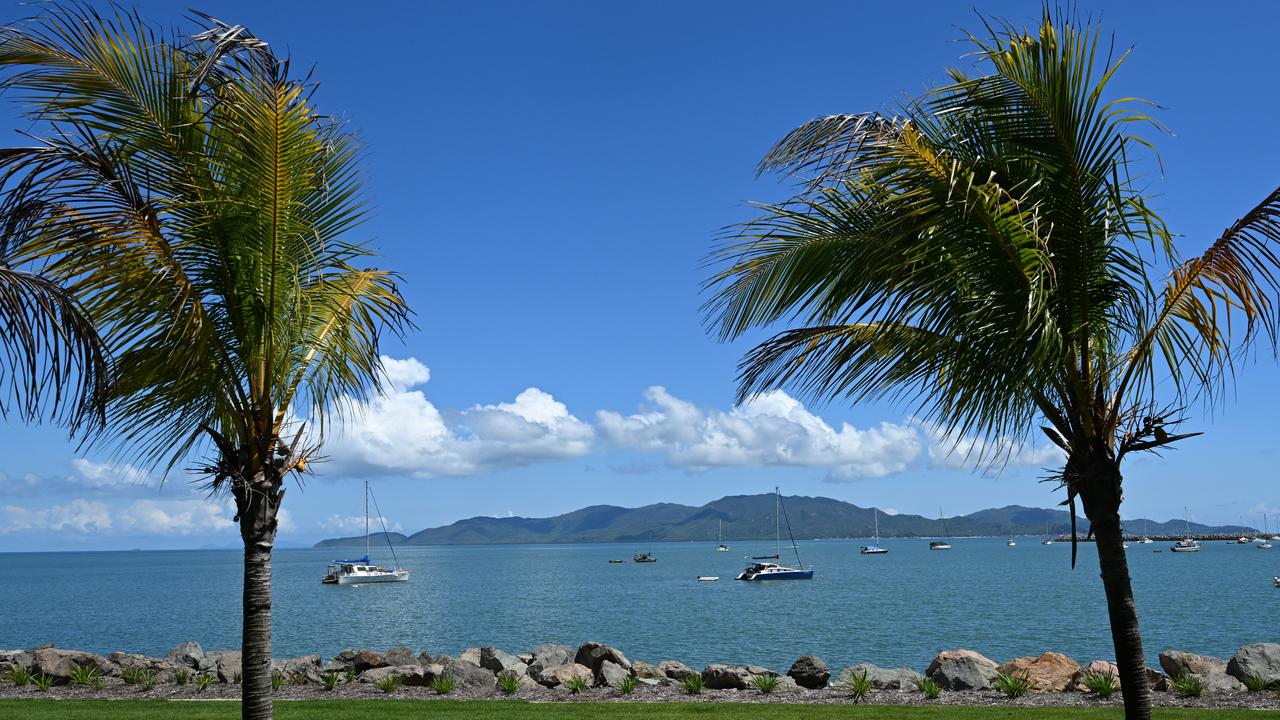
Far further up the coast, Magnetic Island venue manager David Saunders was more optimistic.
“Backpackers are the life force of our island,” he said of the Far North Queensland location, just off Townsville, from which he runs Marlin Bar Tavern.
About 85 per cent of his staff are backpackers, and many stay at or return to the venue even after they have completed their mandatory regional work.
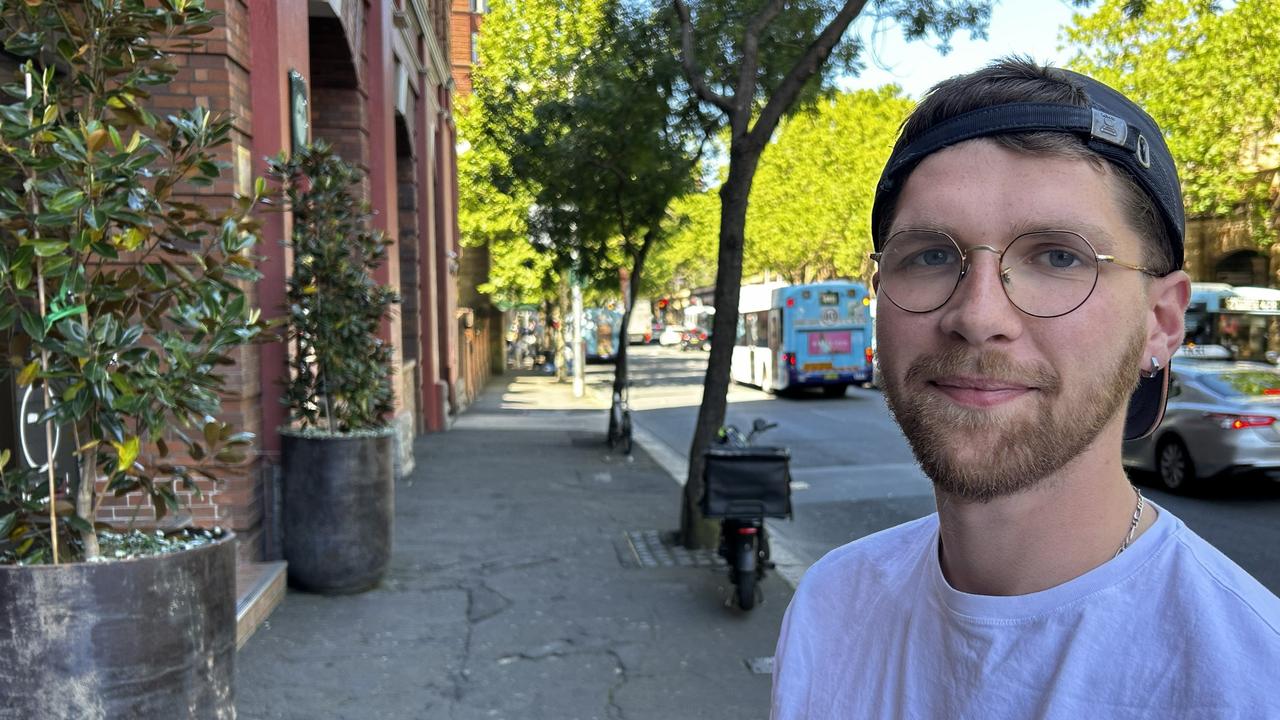
Frenchman Theo Beaudoin landed in Australia one month ago and is living out of a hostel in Sydney’s inner city.
He plans to remain in Australia for three years and said neither regional work nor the latest headlines scared him off.
“If people don’t want to do the four months’ work, don’t come to Australia,” he told AAP.
“It’s not a big deal, it’s only four months.”
AAP