Big bank ‘deeply sorry’ for underpaying workers $127m
Will Nicholas |
Just two top-level National Australia Bank executives had their bonuses cut after the bank was found to have underpaid staff $127 million.
Bosses fronted a routine parliamentary inquiry the day after the Fair Work Ombudsman ordered the bank to repay workers $172 million after short-changing them for 15 years.
The sum included the unpaid wages, interest, superannuation and a record $2 million contrition fee.
NAB was “deeply sorry” and had apologised to its workers, chief executive Andrew Irvine told federal MPs during hearings in Canberra on Friday.
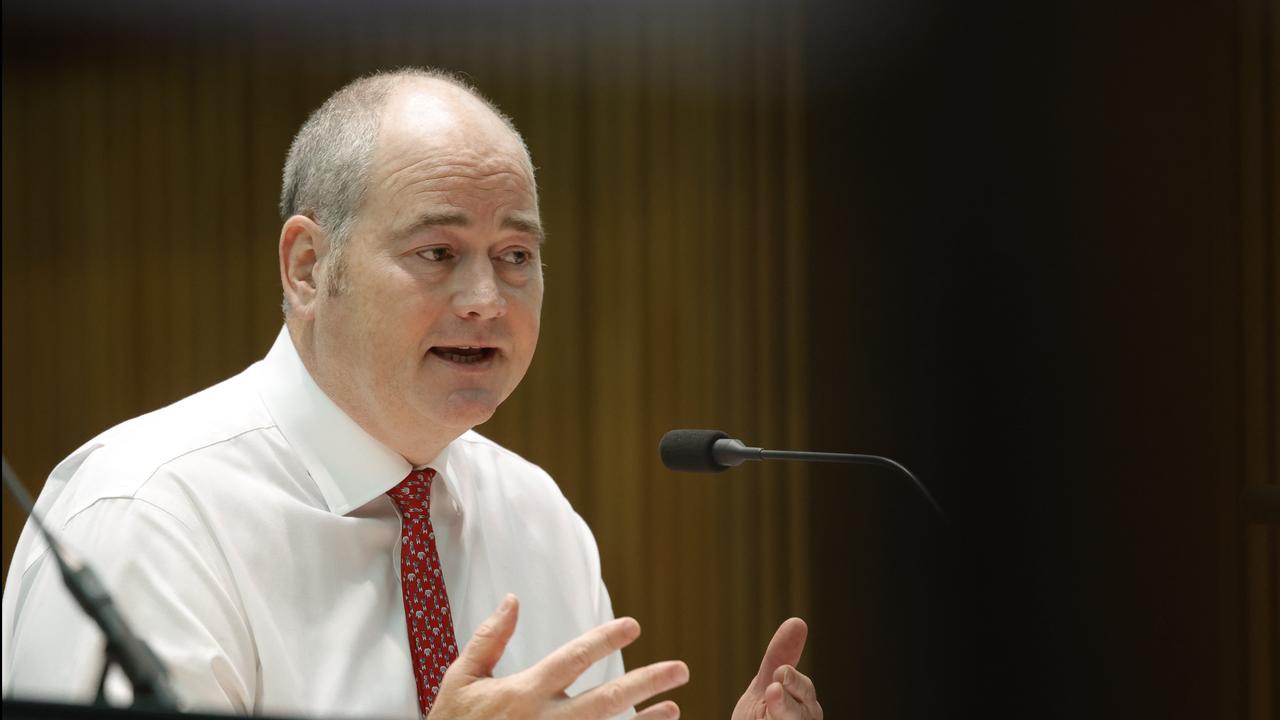
“Paying our people correctly is non-negotiable,” he said.
“We have made changes to stop this happening again, including a significant investment in a new payroll program.”
Two of the bank’s former executives had their bonuses cut by 30 per cent in relation to the affair, Mr Irvine said.
The payroll errors had stretched back to 2012, among them record-keeping mistakes, outdated technology, incorrect time-sheet data entry and problems with staff accruing leave.
The bank first identified and self-reported underpayments to the ombudsman in 2019, but a subsequent enterprise agreement struck in 2024 spawned more complexities.
“There can be a million or more unique parameters on how our people are paid, given geography, office, nature of role,” Mr Irvine said, adding Australian public holidays were tricky to navigate.
“It’s no excuse, but it highlights that the technology platform we had wasn’t up to the job.”
The bank estimated it had compensated 95 per cent of affected current and former employees, with the largest amount still owed to a single worker about $1500.
In all, 66,000 staff were swept up in the underpayments, with back pay ranging from $5 to more than $87,000.
The high-level bankers were also grilled during the hearing on a plan to sack 2500 Australian workers, of which only 15 redundancies were related to artificial intelligence.
NAB, which ranks third in size behind Commonwealth Bank and Westpac, achieved a net profit of $6.14 billion in 2026.
Like ANZ boss Nuno Matos, who faced the hearings the day before, Mr Irvine could not guarantee the technology would leave his workforce untouched.
ANZ has shown 3500 employees the door in the year to September, denying that decision was AI-related.
“We must acknowledge the reality that artificial intelligence will ultimately have implications for the future workforce in banking or any other industry,” Mr Irvine said.
He said letting employees go was the hardest decision he had ever made, but was careful to put the bank’s healthy profit print in context.
“$6.1 billion is a very large number, but in the context of a trillion-dollar balance sheet, it is a more modest number,” he told MPs.
The boss said the economy was weaker, but business was still borrowing heavily, increasing risk and sinking a lot more of the bank’s capital.
He added the job cuts, which amounted to seven per cent of NAB’s headcount, were top-heavy, taking more chunks out of management and 15 per cent out of the executive leadership group.
Mr Irvine defended the fact one in five of the bank’s 43,000 workers were offshored to India and Vietnam, chalking it up partly to the fact Australia was failing to train enough worthy candidates.
“We hire, I think, 180 university graduates in Australia, and we’re seeking to increase that next year, but we cannot fill all the positions that we need with the right skill sets,” he said.
AAP