Debt blowout, slower growth pain in pre-poll forecast
Nick Wilson and Allanah Sciberras |
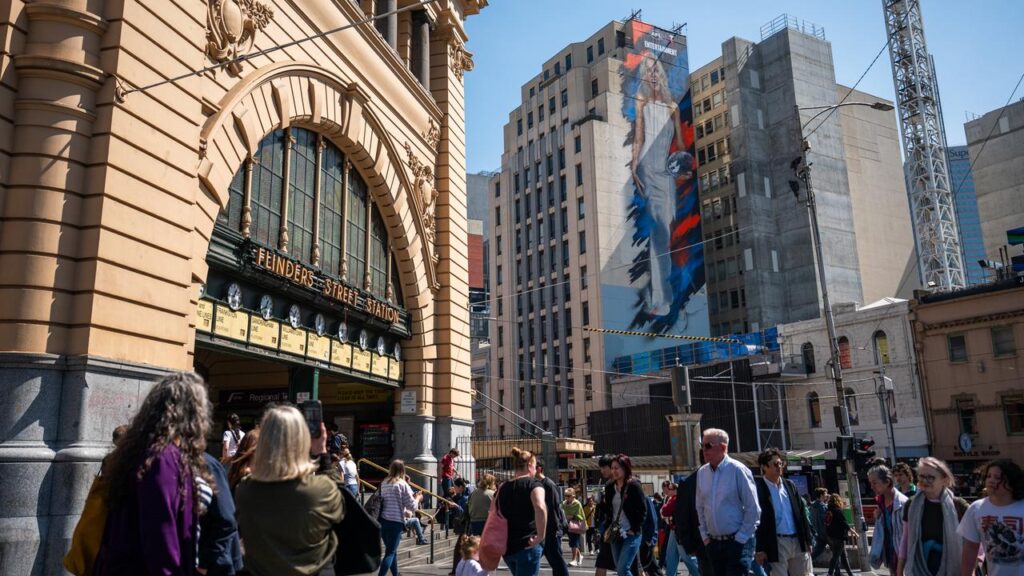
Victoria’s cash deficit will widen to $33 billion over four years, as the state confronts a weakening property market, higher everyday costs and continued infrastructure spend.
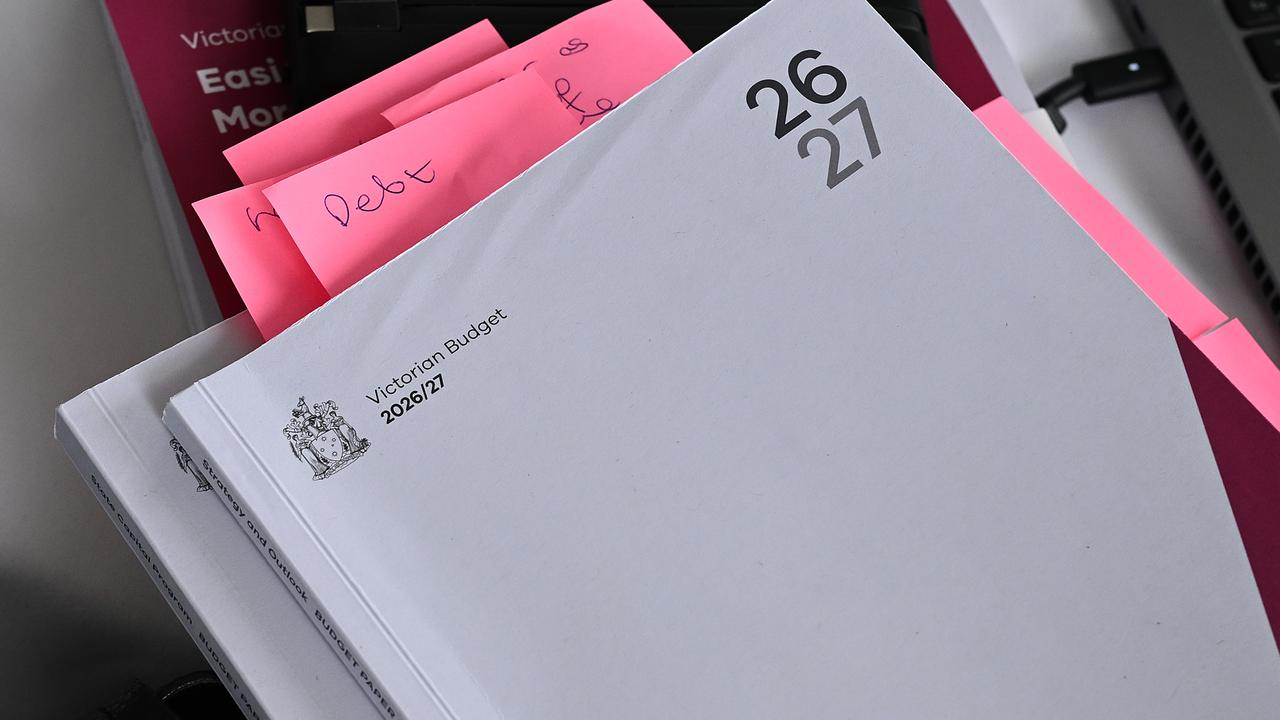
The diagnosis comes from a pre-election budget update from Victoria’s Department of Treasury and Finance released on Thursday.
It is the final health check of the budget before the November 28 election, where public debt is expected to play a growing role at the ballot box.
The state’s cumulative cash deficit – which includes infrastructure costs – has blown out by $3 billion over the forward estimates compared to the May budget.
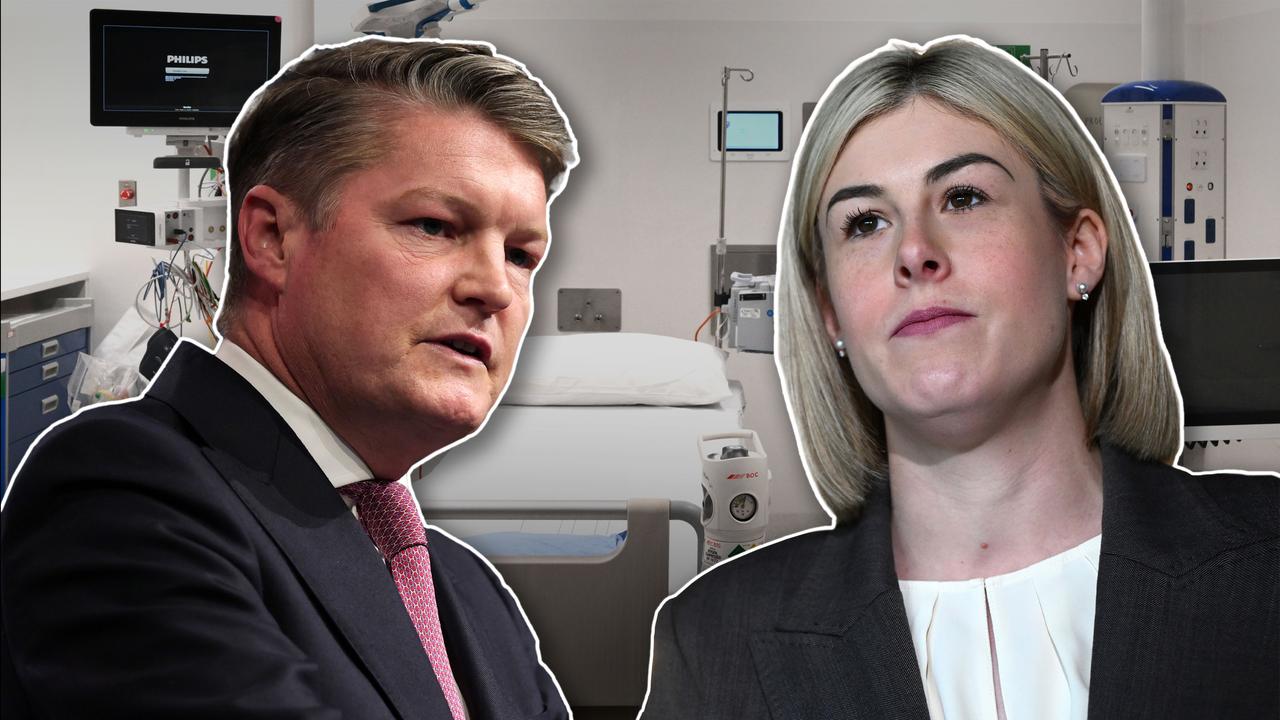
It complicates Labor Premier Ben Carroll’s promise to bring down spending from the heights of his predecessors.
It also puts daylight between the projected shape of the state’s books and Opposition Leader Jess Wilson’s goal of a cash surplus by 2032.
Unemployment is also set to rise from 4.7 per cent in 2025-26 to 5.25 per cent in year, before easing to 4.75 per cent from 2028-29.
The widening cash deficit will continue to pile onto Victoria’s net debt, reaching $196.2 billion by mid-2030, up from $173 billion in June.
But the four-year net debt outlook represents a $3.1 billion improvement since May, driven partly by a lower starting position in 2025-26 and stronger distributions from state owned corporations.
Victoria’s operating surplus is expected to come in at $700 million in 2026-27, revised down by $400 million since May.
It will continue to slim over the forward estimates, due in part to a lower tax yield, a property market downturn and added bargaining, health and education spend.
Economic growth will slow to a crawl from 1.75 per cent in 2025-26 to one per cent over the year, down from a projected 1.5 per cent in May.
Five interest rate hikes so far in 2026, stubborn inflation and federal migration cuts have all contributed to subdued growth, the update says.
But while household spending and property investment are sluggish, business investment, including in data centres, pose a rare bright spot.
The update comes as both major parties prepare to launch their election campaigns in earnest within days, lacing budget responsibility pledges with targeted sweeteners.
The Liberal leader will spend the day campaigning on health, after announcing a $20 million funding pledge for children’s health research.
It will support the Murdoch Children’s Research Institute’s Generation Victoria program, which aims to improve early diagnosis, prevention and intervention for children’s health.
“Every parent wants their child to have the best possible start in life,” Ms Wilson said.
Both parties have made a series of health-related pledges in recent weeks, including Labor’s pledge to boost free dental clinics statewide.
Mr Carroll will unveil a $420 million investment in regional train services, designed to expand the state’s V/Line fleet.
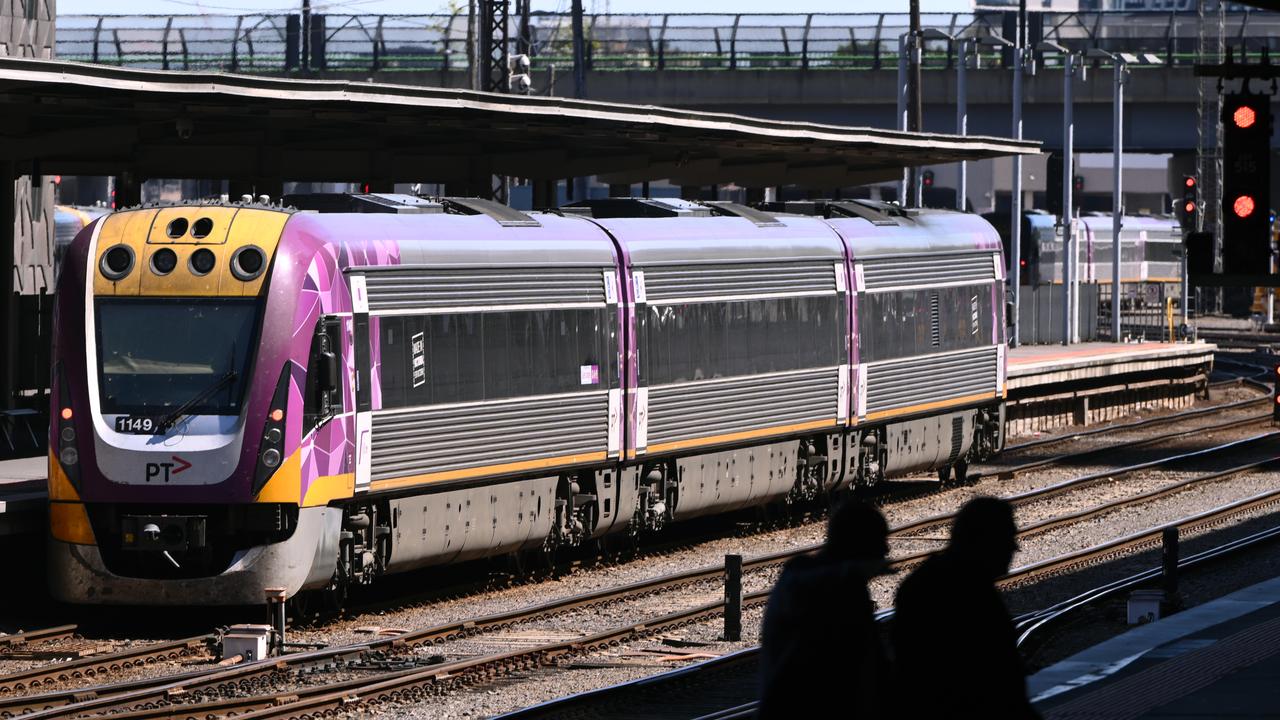
More than 550 services will be added across every train line, with the Melton Line, which goes to Melbourne’s outer northwest, set to gain an additional 162 services from 2027.
“Now we can realise the benefits of Labor’s upgrades: delivering more train services and giving you a more reliable way to get around,” Mr Carroll said.
The coalition in September pledged to back greater train capacity and deliver more trains across the state.
Under the plan, the party said they would introduce new hybrid electric trains on the Melton and Wyndham Vale lines to free up 25 three-car set V/Line trains.
AAP