Police warned laws apply to them after pursuit decision
Max Aldred and Farid Farid |
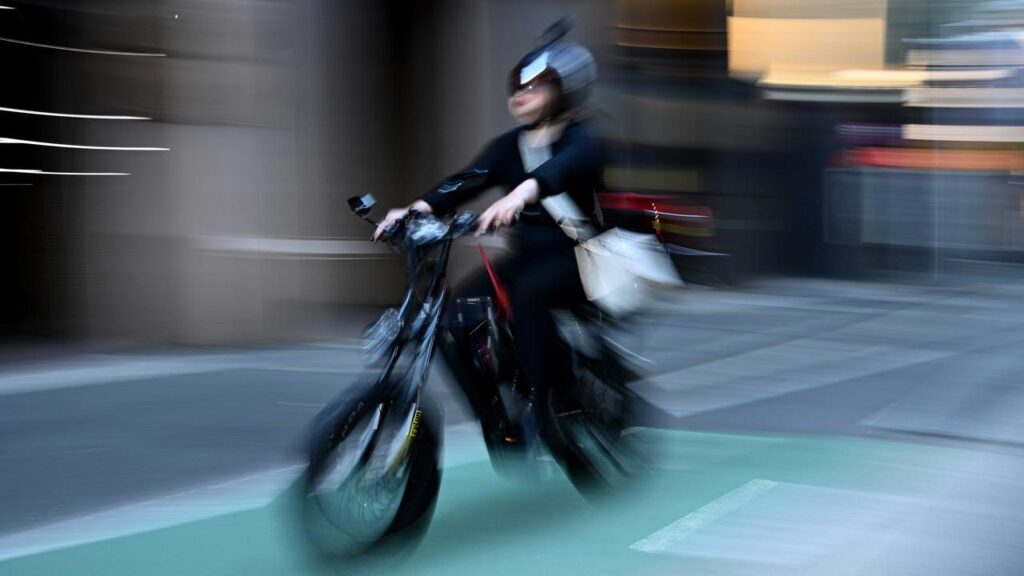
Police officers are being warned they are not above the law as a union argues cops face undue legal risks when pursuing offenders.
The Police Association of NSW issued the directive to members on Wednesday not to chase e-bike riders and motorcyclists, citing rising incidents where alleged offenders evading police had resulted in officers being charged.
President Kevin Morton said while offenders were deciding to flee authorities, police officers were finding themselves before the courts.
Two officers were charged on Monday after allegedly crashing a police car into an e-bike rider in Sydney earlier in 2026.

Another sergeant is appealing his conviction after fatally parking in the path of a teen motorcyclist.
But police were not – and should not be – above the law, Sydney lawyer Katie Green told AAP.
“(Paramedics and firefighters) are also sometimes required to drive in a manner that’s dangerous but you don’t hear them saying they seek immunity from prosecution,” the Inner City Legal Centre chief executive officer said.
“Unless there’s intelligence some kind of homicide or terrorist attack (could happen) … it’s just not worth it and makes a dangerous situation even more lethal.”
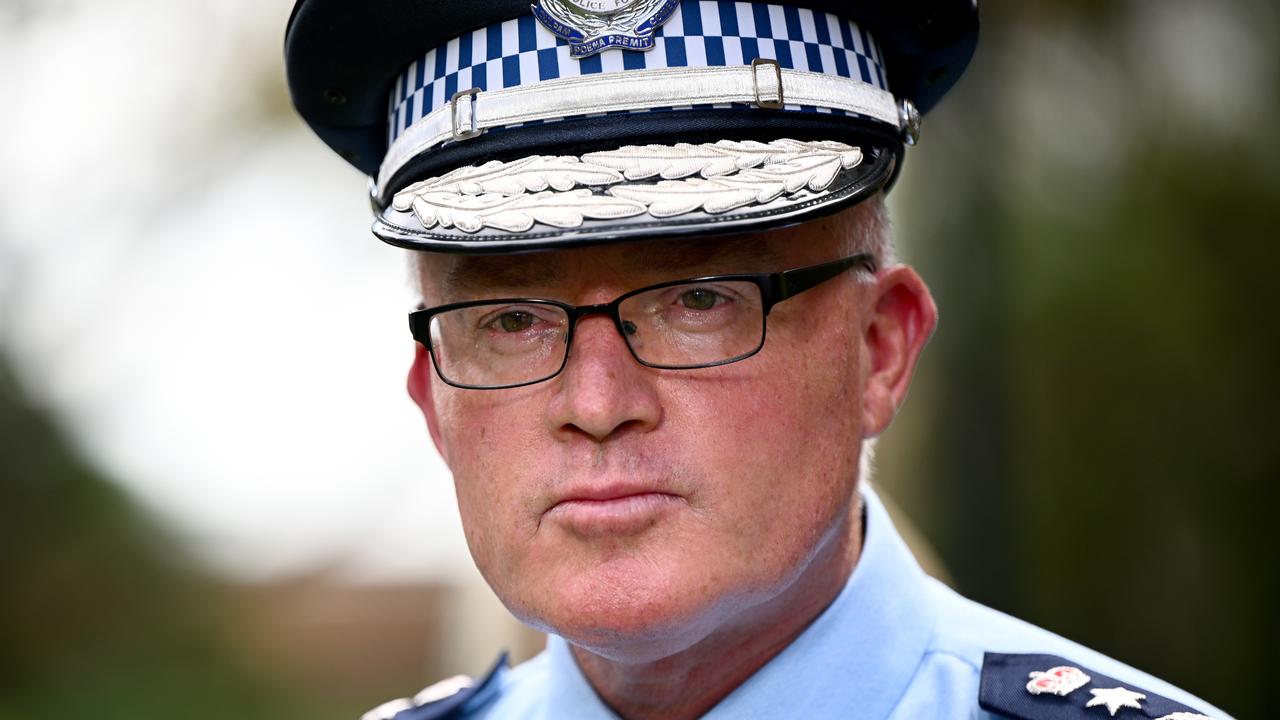
NSW Police Commissioner Mal Lanyon said it was a complex legal area and a path forward could be reached with the union.
“Pursuits … are high-risk operations and when they’re on two wheels, whether it’s a bike, an e-bike, a motorbike, it is a higher risk with a lack of protections for those people,” he told reporters on Wednesday.
Mr Lanyon said officers were not required to engage in pursuits, but added they were “entirely appropriate” at times.
The police association argued recent charges against officers reflected a wider trend of officers facing charges for their conduct on the job.
The no-pursuit directive would remain in place until “meaningful action” was taken to reduce the legal exposure of officers acting in good faith.
“If the government wants police to continue undertaking these high-risk activities, then it must provide officers with the legislative protections necessary to do their job with confidence,” Mr Morton said.
Redfern Legal Centre’s Rian Terrell said the prospect of criminal charges kept police accountable.
“Police should not be immune from prosecution for criminal offences they commit during the course of duty, including during police pursuits,” the centre’s police accountability lead said.
“The community expects criminal behaviour by the police to be investigated, prosecuted and punished.”
The police union previously backed Sergeant Benedict Bryant, who was sentenced to a two years’ jail to be served in the community following the death of 16-year-old Indigenous boy Jai Wright.
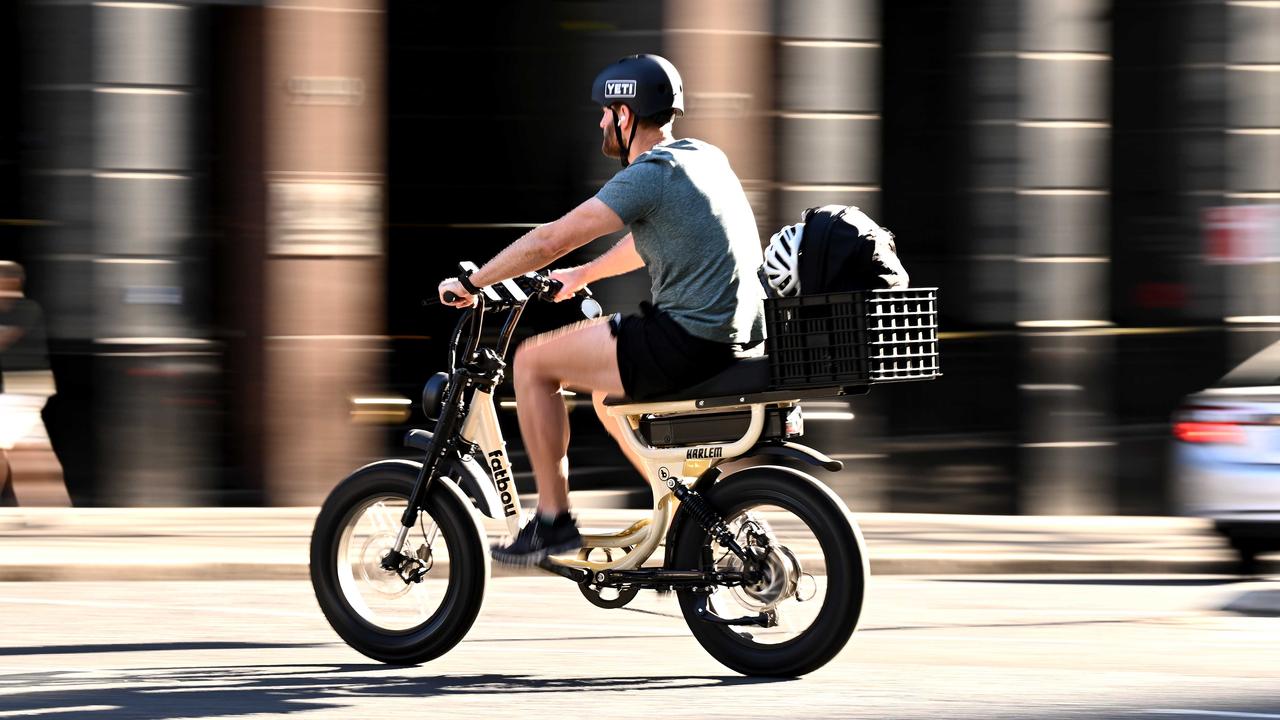
The officer parked his unmarked police car in the path of the boy, who was riding an allegedly stolen trail bike at high speed, without activating lights and sirens.
Bryant is appealing his conviction.
The union’s call comes as e-bike regulation remains a nightmare for governments and enforcement.
Hospitalisations related to falls from e-scooters – and mobility scooters – tripled from 1291 in 2019/20 to 4089 in 2024/25.
Males accounted for two-thirds of the figure.
All states have strict power limits for e-bikes to be legal, but differing laws on the usage of footpaths.
Queensland requires riders to have a licence, or exemption, above the age of 16, and in WA riders must be 16 to use the battery’s power.
AAP