Remote television failures driving up internet costs
Keira Jenkins |
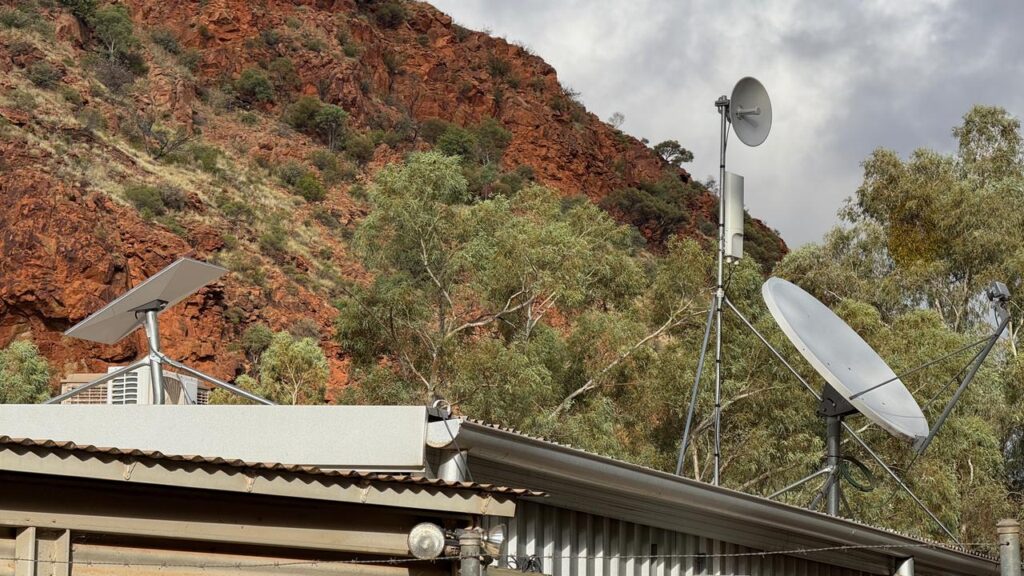
Two thirds of Aboriginal and Torres Strait Islander people in remote communities do not have working free-to-air television.
The Mapping the Digital Gap report found communities reliant on the federal government-funded Viewer Access Satellite Television Service, known as VAST, was failing in many households.
The RMIT and Swinburne University research found power surges, the cost of replacement, activation problems and limited access to technicians for repairs were leaving services out of action.
Instead, remote residents were turning to their phone data to access streaming services.
This is adding to affordability challenges for communities trying to get online, RMIT associate professor and study co-investigator Daniel Featherstone said.
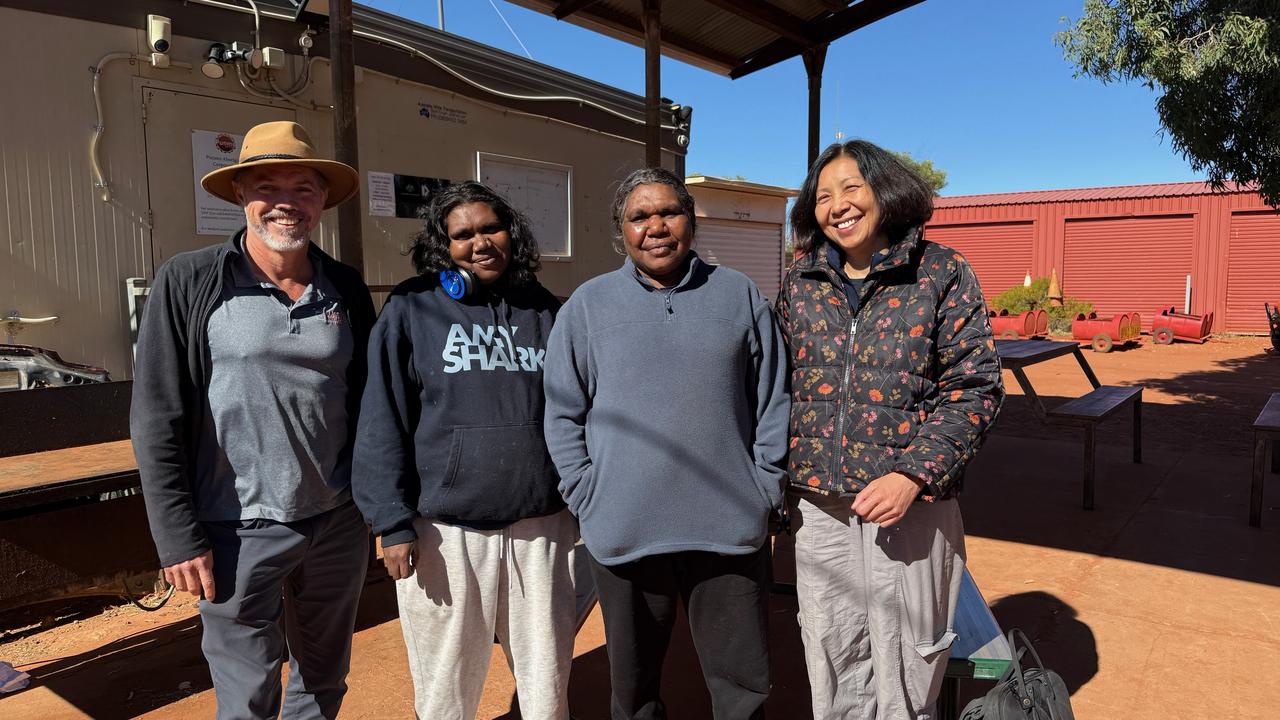
Surveyed households spent an average of $345 a month on mobile and internet services.
In the report, 83 per cent of respondents said they were sacrificing or cutting back on essentials to afford internet access, while 69 per cent compromised on data allowances or connection speeds to manage costs.
No free-to-air TV also means people are relying on the internet and social media platforms for news and information, Prof Featherstone said.
“This means they’re more prone to getting misinformation,” he said.
“There’s a lot of racism and bias and some pretty toxic stuff that goes around online, so it’s not as safe to be in those spaces to get their news and information as if they had free-to-air TV.”
Despite First Nations remote communities being the most digitally excluded in the country, researchers said there were some positives in the 2026 survey.
In the most recent report 98 per cent of people said they had internet access, compared to 86 per cent just two years ago.
Of those on the internet, 83 per cent said they had used online banking and 72 per cent had accessed government services in the previous month.
“It’s fairly critical to be able to be connected and online, and for that to be safe and available to people,” Prof Featherstone said.
“It’s becoming not only an essential service, but a right for people to be connected.”
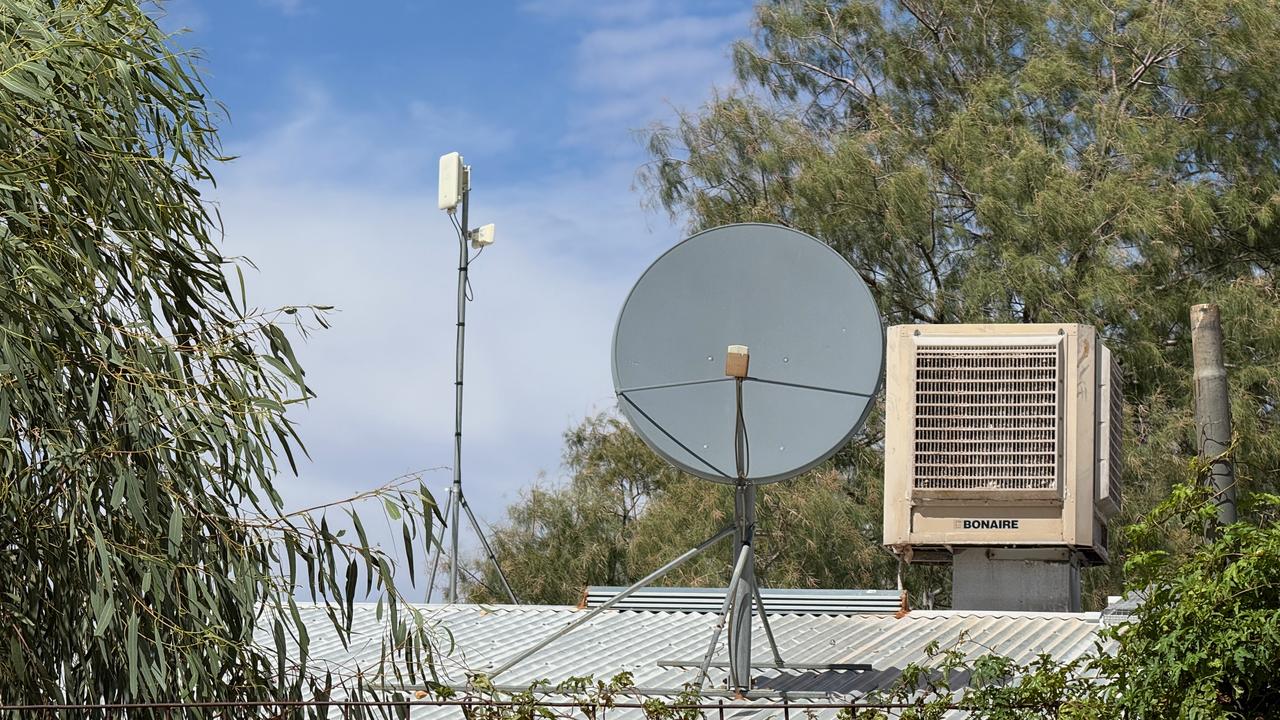
Most people said they had used public wi-fi in the past six months, with 23 remote communities receiving these services since 2024.
Another 53 communities are expected to receive public wi-fi services over the next two years.
Uptake of Starlink satellites spiked from four per cent in 2025 to 24 per cent, with people keen to have fast speeds, unlimited data and in-house access to the internet.
But researchers said they will be watching to see if households can sustain the associated costs.
The 2026 research was conducted across nine remote and very remote First Nations communities, including seven of the nine sites surveyed in 2025.
It was published by the ARC Centre of Excellence for Automated Decision-Making and Society, RMIT University, Swinburne University of Technology and Telstra.
AAP