Fuel crisis forces emissions down but a rebound looms
Jennifer Dudley-Nicholson |
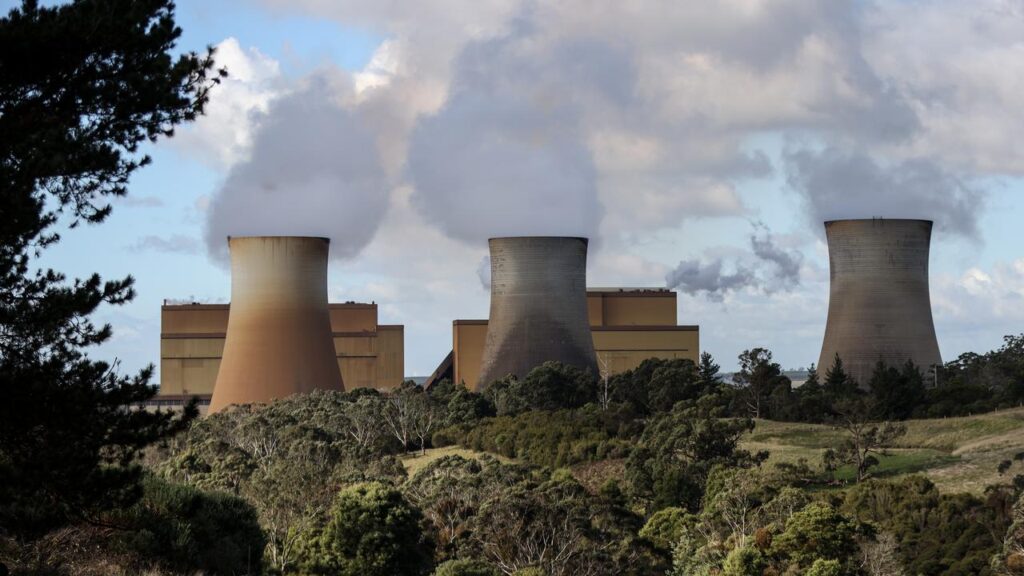
Oil price shocks and shortages are expected to cut pollution from fossil fuels worldwide, a report has found, reducing carbon emissions by 158 million tonnes.
But climate researchers warn the drop in 2026 is likely to be temporary and nations must adopt more renewable energy and electric vehicles to ensure emissions keep falling.
The Global Carbon Project released the findings on Tuesday in its annual report, which also found emissions in Australia dropped by 1.2 per cent during 2025.
The results come as the United Nations’ COP31 climate talks begin in Turkey, where Australia will play a major role in negotiating climate commitments.
The international research project, involving experts from more than 90 institutions, used data and scientific modelling to assess global carbon emissions.
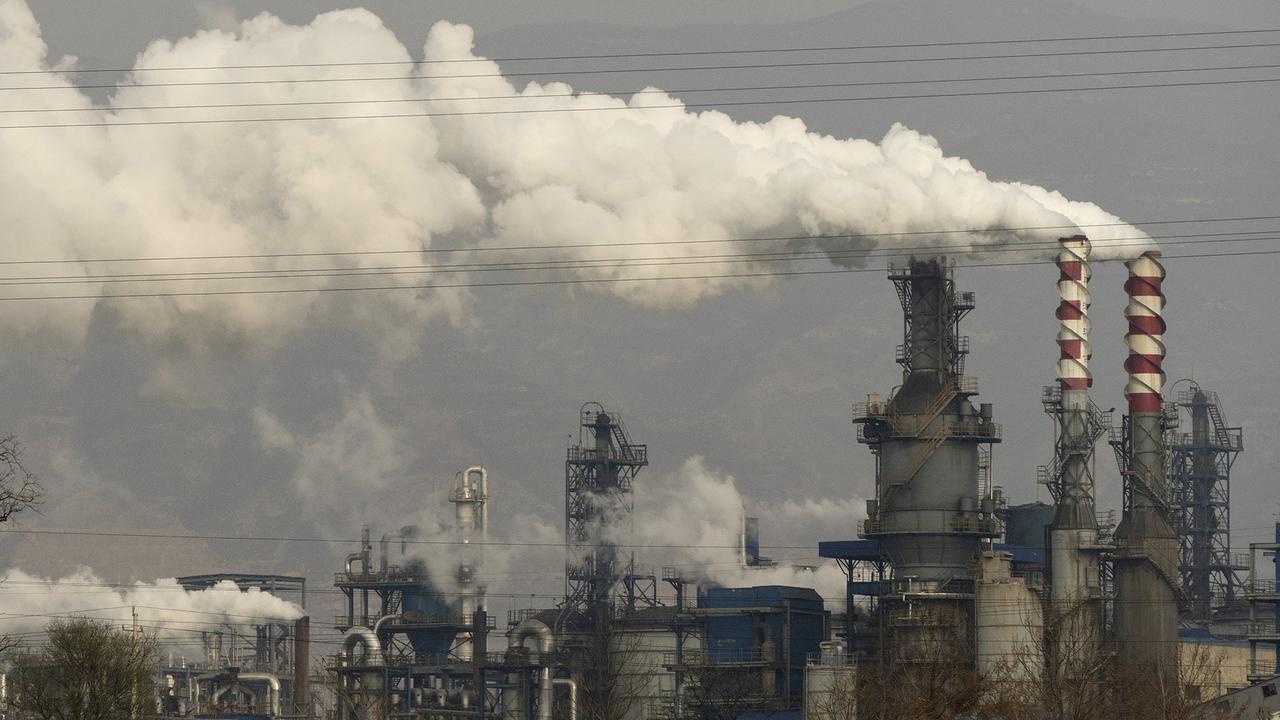
It projected fossil fuel pollution would fall by 0.4 per cent in 2026, driven by a 1.9 per cent drop in oil emissions and a 0.3 per cent drop in gas emissions.
Deforestation and other land changes would ultimately push total global carbon emissions higher, however, rising from 42.8 billion tonnes in 2025 to 43.3 billion tonnes.
China was forecast to achieve the biggest cut to fossil fuel emissions in 2026 (107 million tonnes), followed by the US (64 million tonnes) and the European Union (37 million tonnes).
But some reductions were likely to be short-term, lead author and University of Exeter’s Global Carbon Budget Office director Pierre Friedlingstein said.
“A decline in fossil carbon emissions is encouraging but a reduction driven partly by geopolitical shocks is not a sustainable climate solution,” he said.
“The long-term answer remains the rapid deployment of clean energy technologies.”
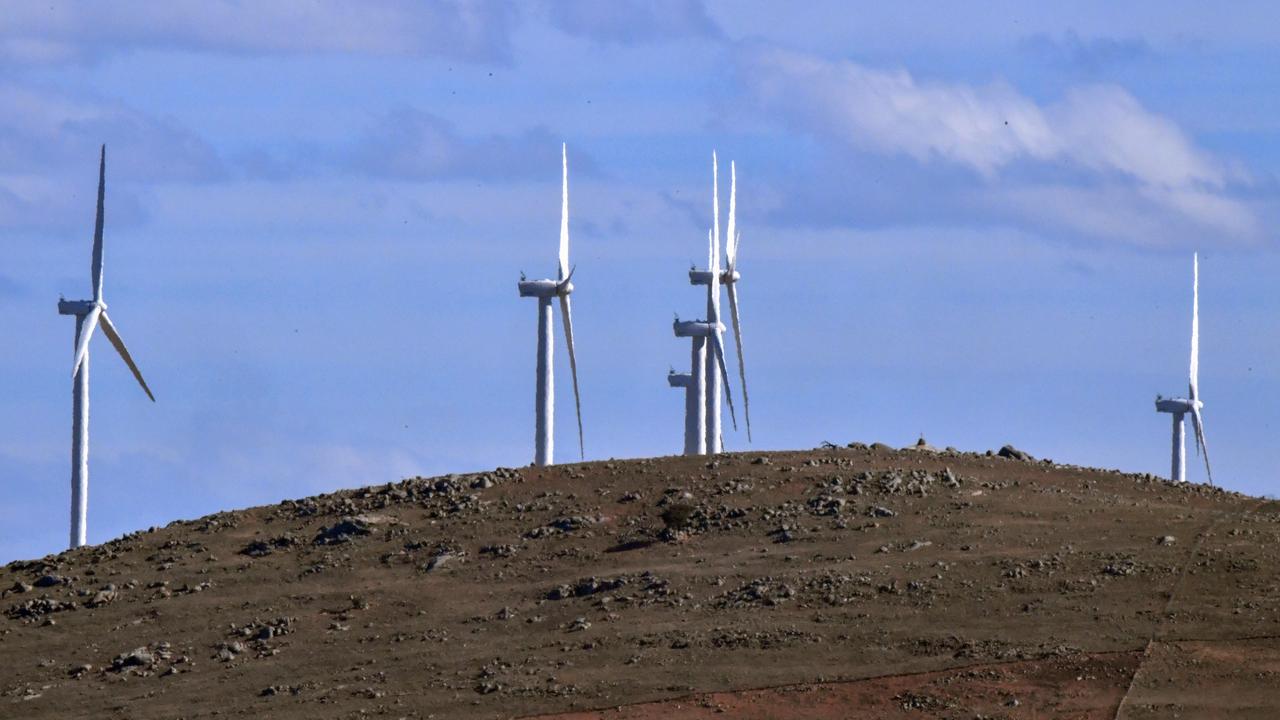
Solar and wind power prevented 4.1 billion tonnes of carbon emissions in 2025, it found, with the figure expected to reach 4.6 billion tonnes in 2026.
Faster adoption of clean energy could help cut emissions further and keep them down, University of East Anglia’s Corinne Le Quere said.
“Countries on every continent are decreasing their emissions while growing their economies,” she said.
“A further acceleration could turn the tide on global emissions within a few years.”
In 2025, Australia cut its fossil fuel emissions by 1.2 per cent, the report found, including 3.3 per cent from coal and 0.8 per cent from gas, although oil emissions rose by 0.5 per cent.
The results showed the positive impact of renewable energy, University of Technology Sydney Institute for Sustainable Futures research director Sven Teske said, and underlined the importance of ongoing investments in the field.
“The Australian government, which holds the presidency of the COP31 climate conference…, must succeed in its proposal to establish the electrification of the economy via renewable energy as a binding objective,” he said.
AAP