Church voices fear bill will lead to online censorship
Lucinda Garbutt-Young and Will Nicholas |
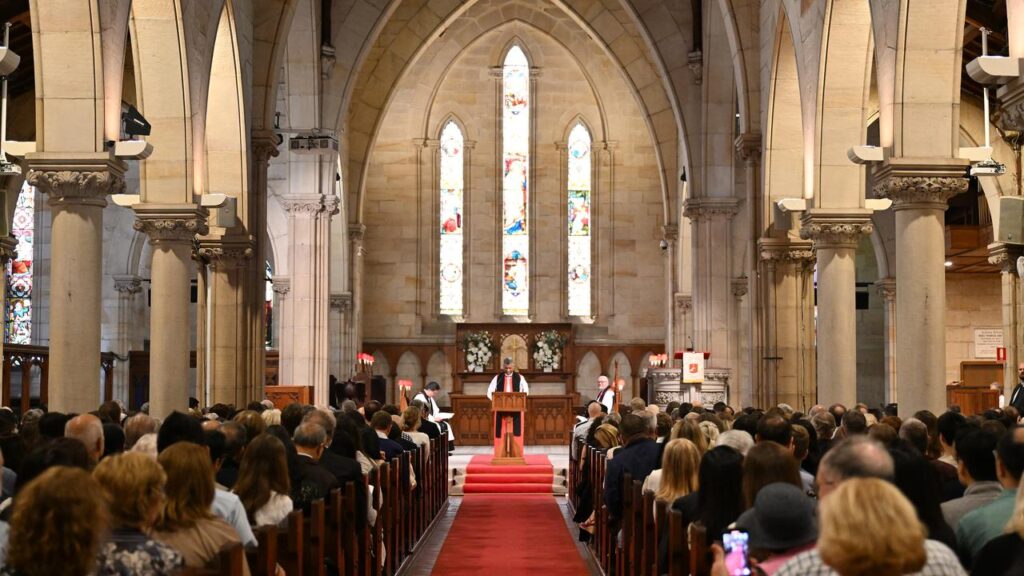
Faith groups fear contentious online law reforms will allow their teachings and way of life to be targeted and impinge on the free speech for all Australians.
The pending digital duty of care laws, which the government aims to pass by the end of November, are being promoted by Labor as a way to protect children from content promoting crime or eating disorders, as well as pornography, misogynistic content and posts that cause distress.
But the changes could allow well-intentioned teachings on gender and marriage to be removed, Sydney Anglican bishop Michael Stead told a parliamentary committee on Tuesday.
While the Federal Court of Australia includes transgender women in its definition of women, the diocese teaches that Biblical gender identity is the sex of someone’s birth.
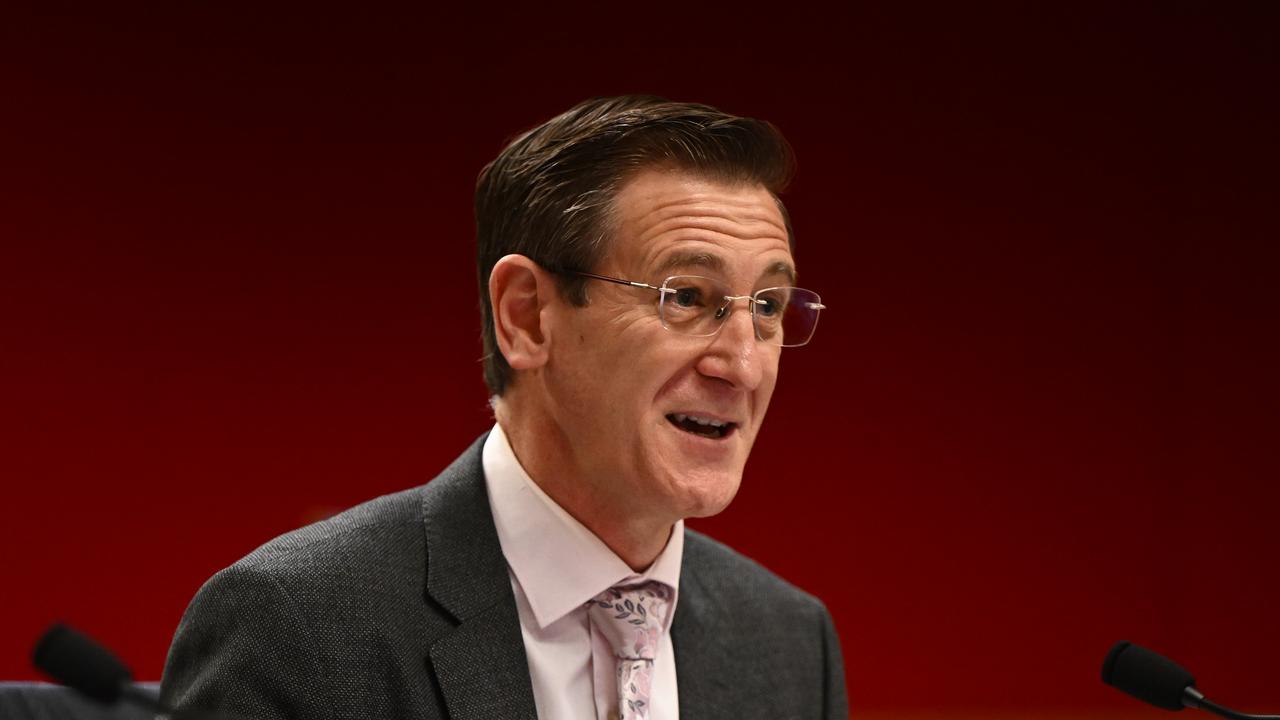
“There are justifiable grounds for concern that Biblical teaching that says that gender derives from biological sex … is something that’s hostile to transgender equality in Australia and therefore that would be taken down because it might be harmful to transgender children,” Dr Stead said.
The bill had the potential to impinge on religious freedoms, including through removing sermons or policies on privately run church websites if they did not align with the government of the day’s definitions of safe speech, he added.
Another aspect of concern stemmed from women not being allowed to be ordained as bishops in Sydney, a policy that differed from the approach taken by less conservative Anglican dioceses, including Melbourne and Canberra.
Dr Stead said that teaching, along with suggestions of female submission to men as heads of a household, could be captured by critics as gendered violence and taken offline.
“It’s not just a matter of things that are important to people of religion,” he said.
“It ought to matter to all Australians that we uphold the principle of freedom of religion, even if you’re a non-religious person.”
Greens senator Sarah Hanson-Young said her reading of the bill meant small websites would not be targeted, but she would seek clarity from the government on behalf of the diocese.
Social media companies were already in control of algorithms and a law regulating them was crucial, she said.
The coalition has already turned against the digital duty of care over the alleged censorship risk, which means Labor will need the support of crossbenchers to pass the laws in the Senate.
Representatives of Jewish communities told the committee that current algorithms “amplified promotion” of hatred based on race and other inherent characteristics.
“It monetises it and therefore there needs to be some provision in the bill, in our view, to deal with that,” said Leon Zwier, a partner in Jewish-connected legal firm Arnold Bloch Leibler.

He has called for the inclusion of an express provision relating to group-directed hate, which would stop ethnic or religious groups from being targeted.
Separately, gambling advocates told the committee they wanted the bill to crack down on simulated gambling games and wagering, both of which are hard to enforce under the law.
“We think it would be worth adding an amendment … to actually specify gambling harm, and we propose some wording to that effect because, again, it makes it much more specific as to what the duty is aiming to address,” Alliance for Gambling Reform chief executive Sunita Bose said.
The committee will continue to hear from advocates and the eSafety commissioner throughout Tuesday.
Lifeline 13 11 14
Fullstop Australia 1800 385 578
AAP