Israelis await vote results as tough choices lie ahead
Cara Anna and Koral Saeed |
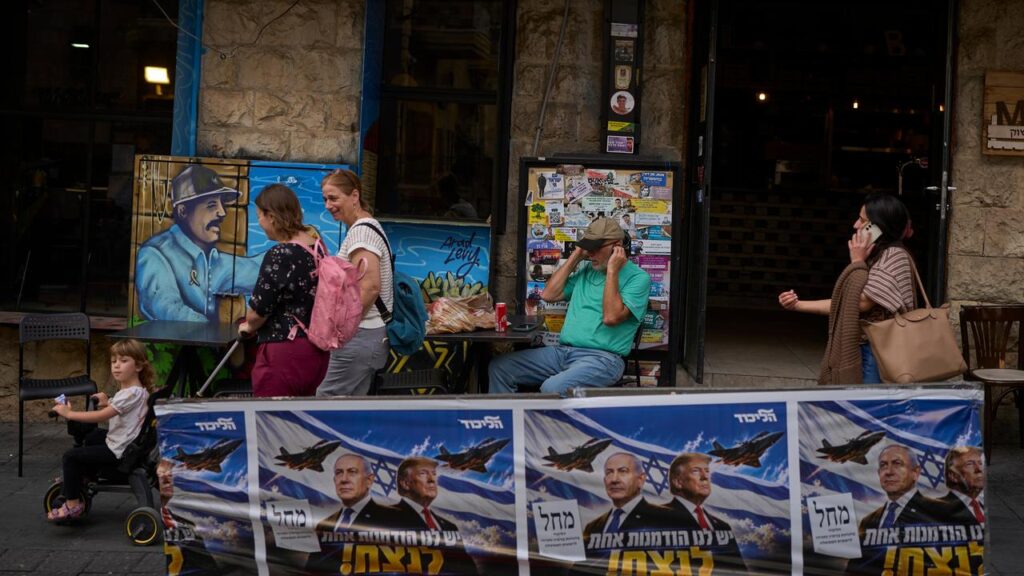
Israelis is waiting for final election results to confirm what they see taking shape: no majority of parliament seats for Prime Minister Benjamin Netanyahu and his allies, or for the array of parties seeking to unseat him.
Difficult decisions lie in the weeks ahead, including whether some Jewish and Arab parties would team up in a historic alliance, or whether some parties that campaigned on ousting Netanyahu would toss that aside and join forces with the deeply divisive prime minister.
While this plays out, Netanyahu remains in charge.
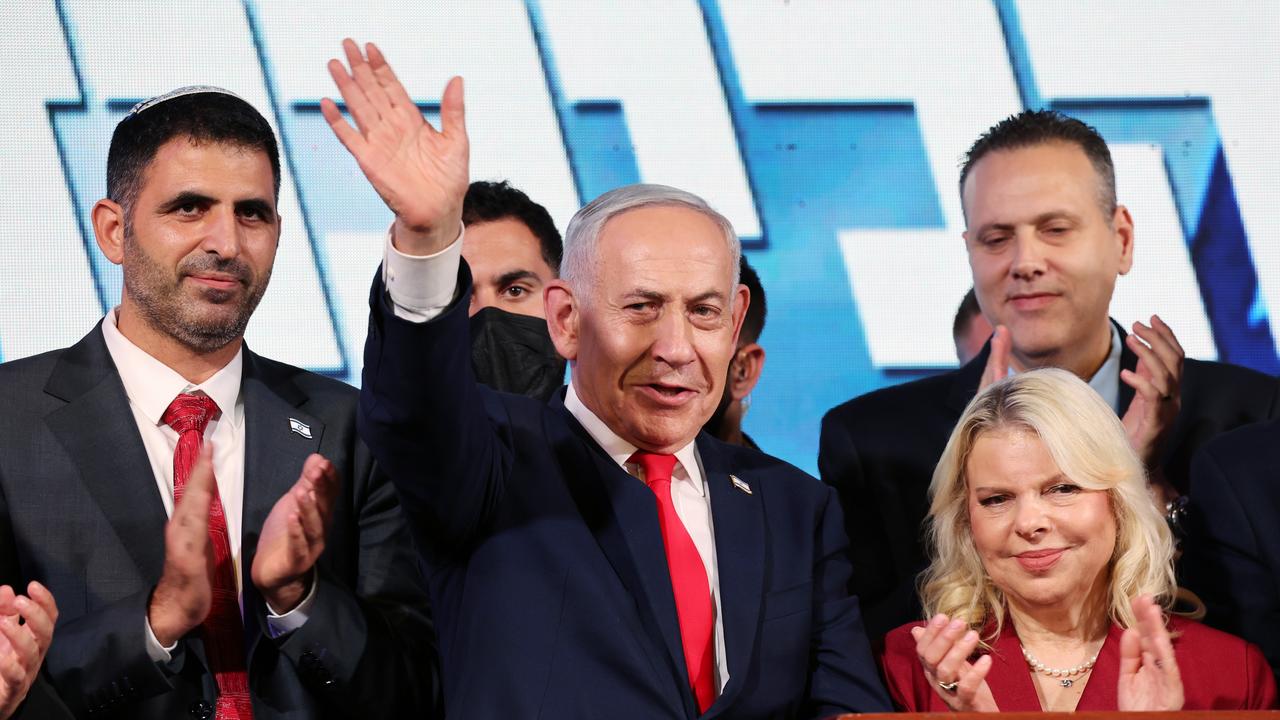
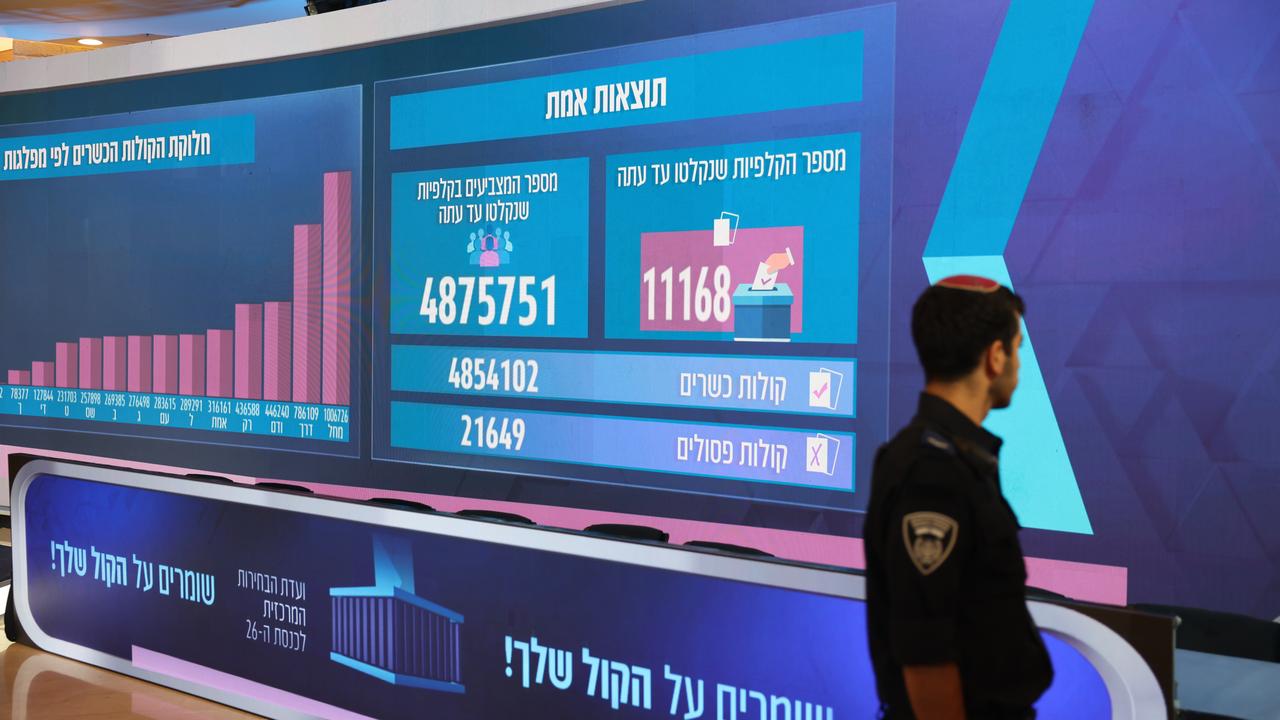
Final results could come as early as Thursday evening after about a half-million absentee ballots are counted from military personnel, diplomats, people in prisons and hospitals, and others.
They are not expected to sway the results dramatically.
Local media projected 53 parliament seats for Netanyahu’s bloc, 48 seats for opposition parties and 19 for Arab-led ones, which also want Netanyahu out.
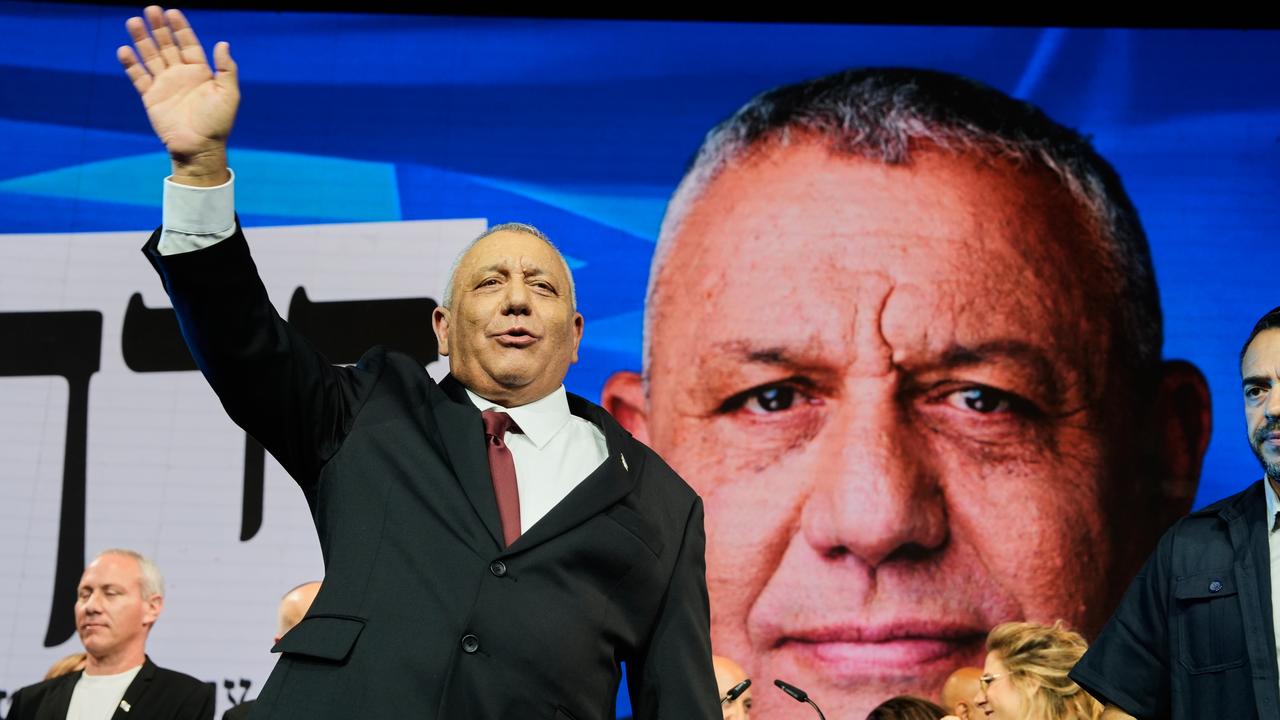
The chief rival to Netanyahu, former military chief Gadi Eisenkot, early on Wednesday spoke of a government in service to all and reflecting the will of the people.
He did not mention the prospect of joining forces with the Arab-led parties that had a strong showing as some Arab citizens broke longstanding vows never to vote in a country in which they have long been subject to discrimination.
One of those Arab parties, the Joint List, late on Wednesday noted the “unprecedented show of strength” and the Jewish voters “willing to swim against the tide of racism”.
It said it was open to political co-operation.
There were small rallies overnight in Tel Aviv, and in far more conservative Jerusalem, in support of a coalition that includes Arab-led parties.
Until 2021, no Arab party had joined a coalition government, and that was brief.
Netanyahu’s Likud party, despite receiving the most votes, has accused the Arab-led parties of stealing the election and asked the election committee to investigate.
It did not provide specific evidence to support its claims.
Israel’s president next week will task someone to form the next government.
If a new government cannot be formed after multiple attempts, Israel would face a new election in early 2027.
On Wednesday, President Isaac Herzog signalled he wanted to avoid that step – something Eisenkot has said as well.
Israel, already divided along multiple fault lines – Jews and Arabs, secular and religious – entered the election with huge and painful issues at stake.
Those include whether the fast-growing ultra-Orthodox population should remain exempted from compulsory military service in a country where many families have seen their sons and daughters killed in three years of inconclusive wars.
Netanyahu, Israel’s longest-serving prime minister, has been especially polarising, with corruption allegations hanging over him along with accusations that he delayed making deals over the war in Gaza, including to free hostages, for political gain.
While many Israelis voted with security issues first in mind, the country’s international standing is also at stake after widespread criticism over the treatment of Palestinians in Gaza and growing violence by Jewish settlers in the occupied West Bank.
Meanwhile, the threat of further strikes against Iran adds to the election uncertainty, as the Trump administration has spoken of new attacks after the midterm elections on November 3.
Experts have said Netanyahu could seize on the renewed all-out war to press for a unity government with him in charge.
That could delay what Netanyahu has long resisted: a public inquiry into the security failures that led to the deadliest extremist attack on Israel in the country’s history, the Hamas-led assault on October 7, 2023, that sparked the war in Gaza.
AP