Zelenskiy criticises US waiver of sanctions on Russia
Kanishka Singh, Laila Kearney and Jasper Ward |
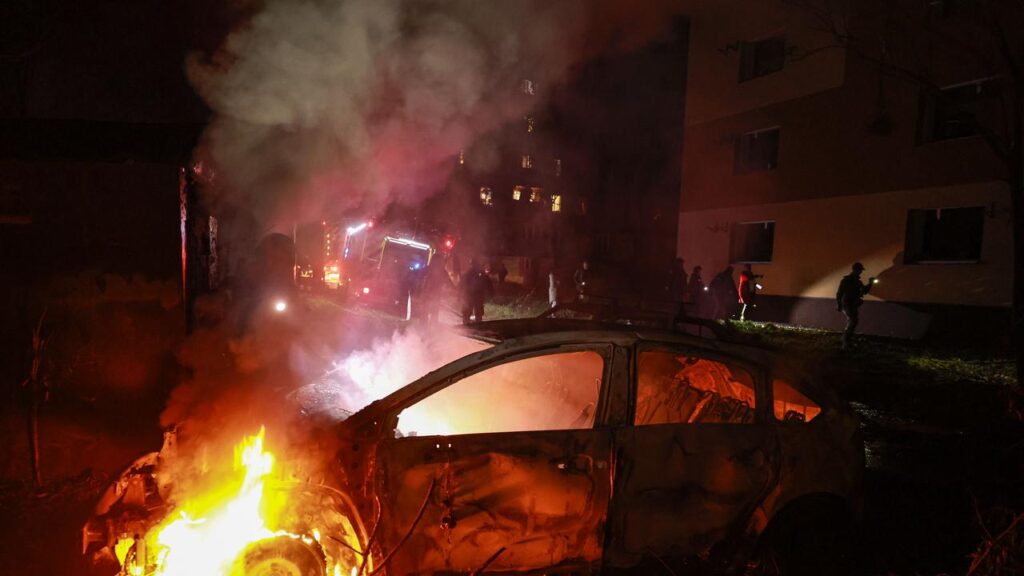
US President Donald Trump’s decision to waive sanctions on Russia and tariffs on its goods days before they were to take effect will embolden Moscow to keep attacking Ukraine, Ukrainian President Volodymyr Zelenskiy says.
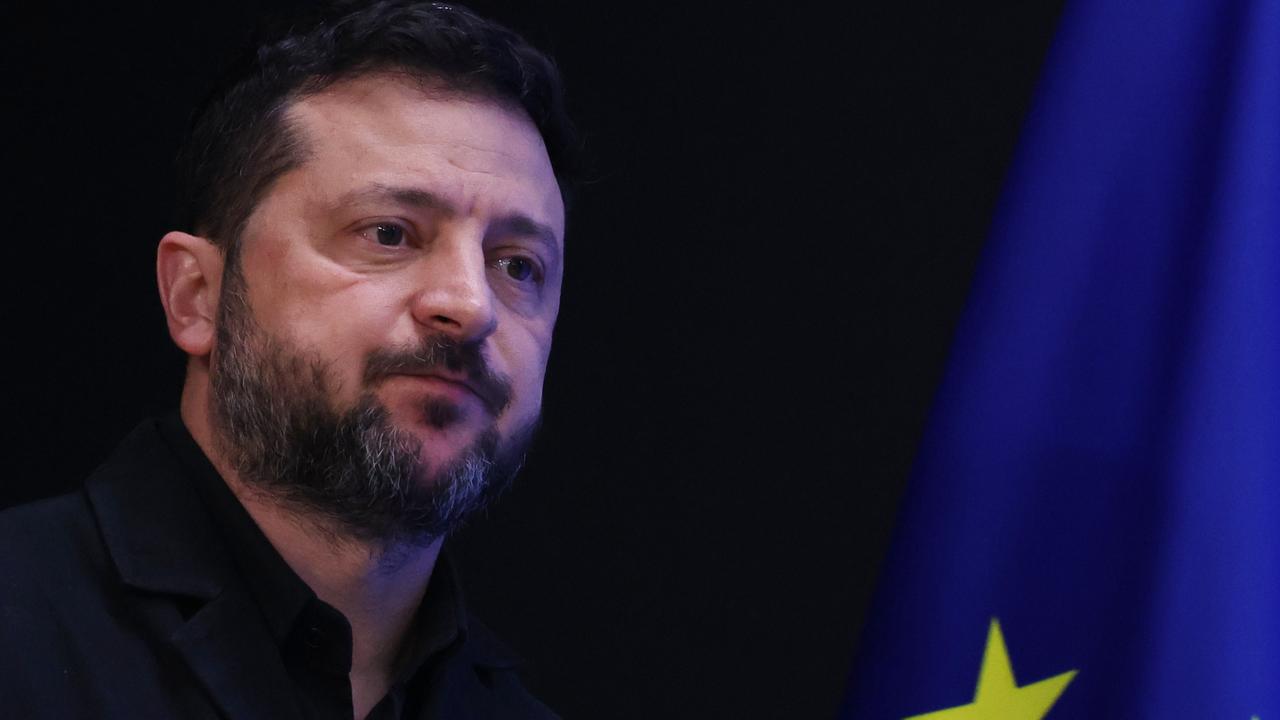
“The decision to undo all of this, to block all of it, seems wrong to me,” Zelenskiy wrote on X.
“It definitely helps only the Russians.”
An executive order issued by Trump on Friday night waived key Russia-related US sanctions and tariffs – including duties on the country’s goods and penalties for buying its oil and gas – that had been scheduled to start next week under the legislation known as the Graham Act that he signed into law last month.
Trump said the waiver was in the national interests of the United States.
The law is meant to increase pressure on Russia for its invasion of Ukraine that began in 2022.
Trump, however, has been warming toward Moscow while publicly criticising Zelenskiy, including suggesting Kyiv needs a new leader.
Zelenskiy said Trump’s latest action emboldens Russian President Vladimir Putin.
“It only fuels their satisfaction and their desire to keep killing people,” wrote Zelenskiy, who said Russia struck more than 15 Ukrainian power generation and transmission sites on Friday.
“This certainly does not stop the war.”
The Ukrainian leader accused Russia of planning to ramp up strikes in western Ukraine.
“Is Russia preparing for this? I think so,” Zelenskiy wrote.
Russia’s investment envoy, Kirill Dmitriev, called the Trump waiver “a truly historic moment”, posting on X on Friday that had the penalties taken effect, they could have effectively brought all economic co-operation between Russia and the US to a halt.
Weeks before US midterm elections in which Trump’s Republicans are battling to maintain their narrow grip on both chambers of Congress, the new measures could have risked further raising oil prices as Americans face increased costs largely attributed to the US-Israeli war with Iran, analysts have said.
Trump signed the Lindsey O Graham Sanctioning Russia and Iran Act of 2026 in mid-September.
The legislation’s primary backer in Congress was the late US Senator Lindsey Graham, a South Carolina Republican.
It would have imposed tariffs of up to 100 per cent within 30 days on all goods brought into the US from the five largest importers of Russian crude oil or gas, as well as any country that knowingly bought oil or gas 30 days after the law was enacted or was among the top five countries helping Russia evade sanctions.
China and India, which are among the biggest buyers of Russian oil, however, had raised concerns about the Graham Act.
Beijing has said it “consistently opposed long-arm jurisdiction that lacks a basis in international law” while India warned Washington that new tariffs could impact bilateral ties.
But the Graham Act also allows the president to waive sanctions by informing Congress that he has determined that they are not in the national interest.
Friday’s executive order said the waiver would remain in effect until Trump or his top officials determine that “further action is appropriate”.
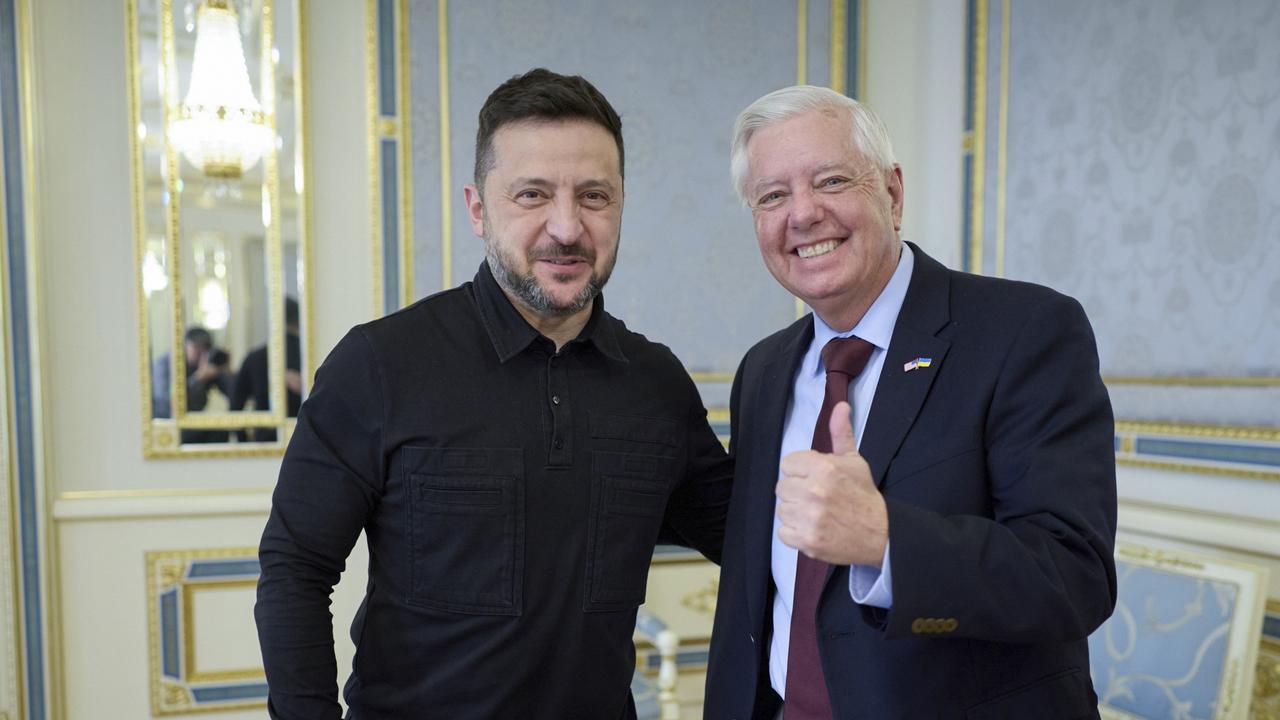
Lindsey Graham, who died in July, strongly supported US assistance to Ukraine. The passage of the bill named for him had provided hope of continued bipartisan support for Kyiv, wrote Zelenskiy.
But with Graham gone, the US under Trump will continue sanctions relief for Russia beyond Friday’s waiver and the diesel export agreement announced earlier this month, the Ukrainian leader predicted.
“I think the diesel deal and the move regarding the Lindsey Graham Act are not the end of it. Unfortunately,” wrote Zelenskiy, who lamented Graham’s absence.
“It’s unfortunate because we all had great respect for Lindsey … It’s difficult without him, I’ll be honest.”
Reuters