Sectors dig in to weather nation’s job market slowdown
Jacob Shteyman |
Rising unemployment suggest Australia’s jobs market is softening, but varying exposures to the Middle East conflict and the AI boom means some areas are holding up better than others.
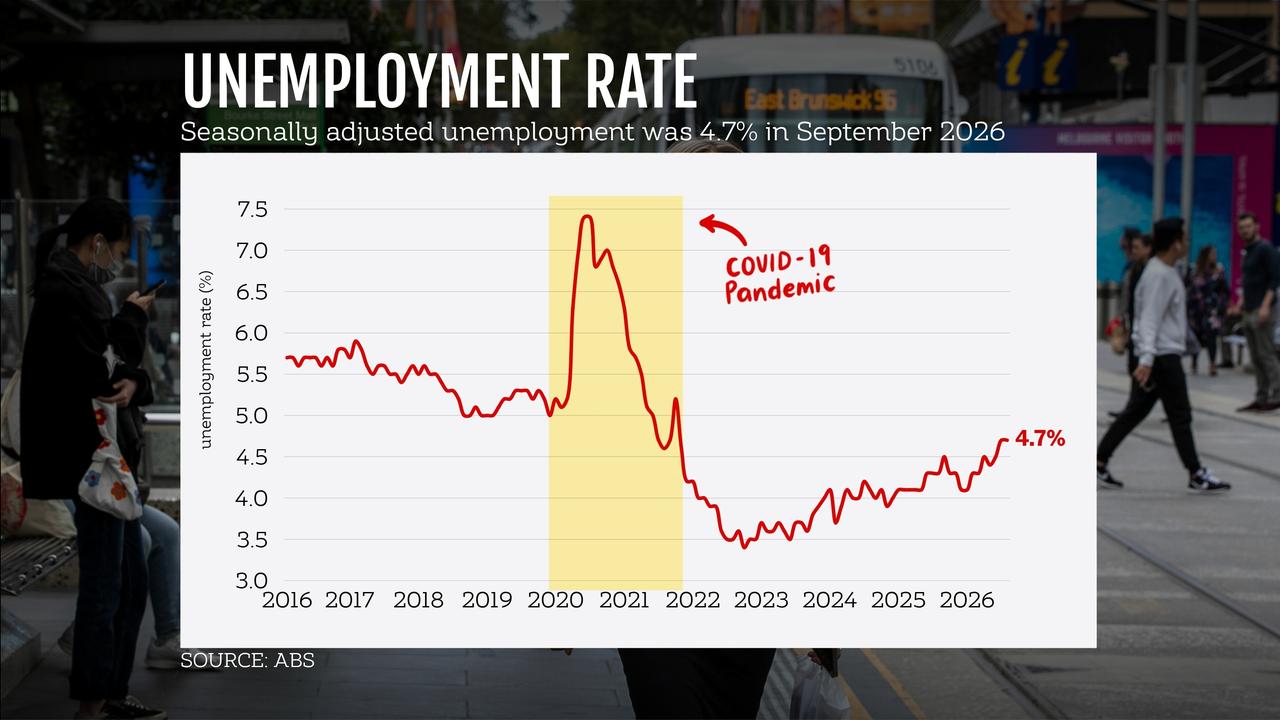
Labour force figures released by the Australian Bureau of Statistics on Thursday showed the nation’s unemployment rate continued to rise in September, coming in at a five-year high 4.7 per cent.
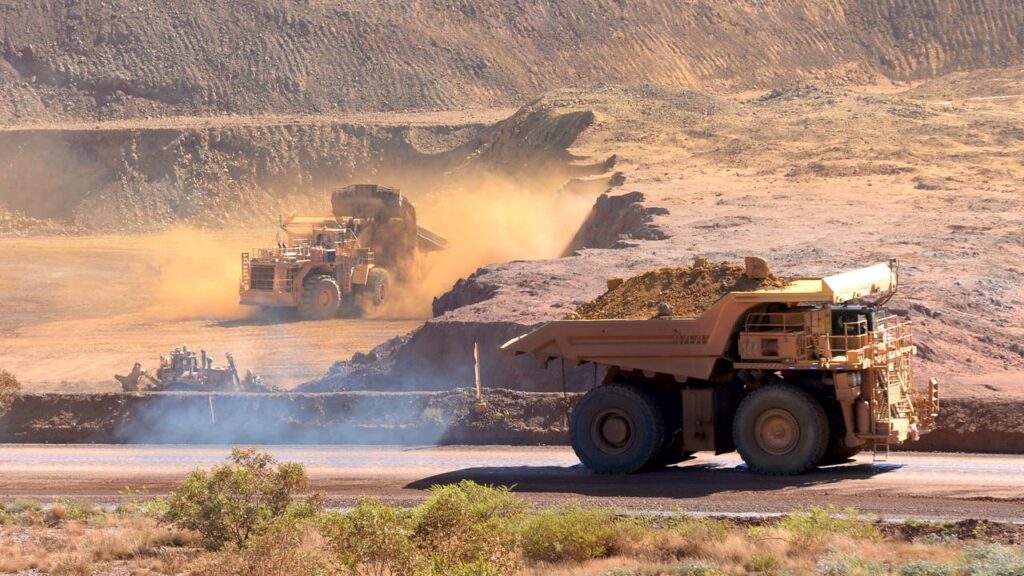
But while joblessness jumped 0.4 percentage points in NSW and held above five per cent in Victoria, in Western Australia unemployment fell to a relatively low 4.2 per cent.
The same phenomenon was evident in job ads on Seek, the job marketplace’s chief economist Blair Chapman said.
“WA seems to be an exception when it comes to employment,” he told AAP.
“Job ads seem to be going up a little bit more in WA than anywhere else, and I think that might reflect commodity prices.”
Gas prices have spiked with the conflict in the Middle East.
Prices for gold and other commodities central to WA’s economy have been rising too.
“That’s supporting the mining and energy industry, especially in WA,” Dr Chapman said.
Employment growth has been relatively strong, despite the slump in consumer confidence and rising interest rates.
Amid rising cost-of-living pressures and business costs, consumer-facing hiring weakened between April and June.
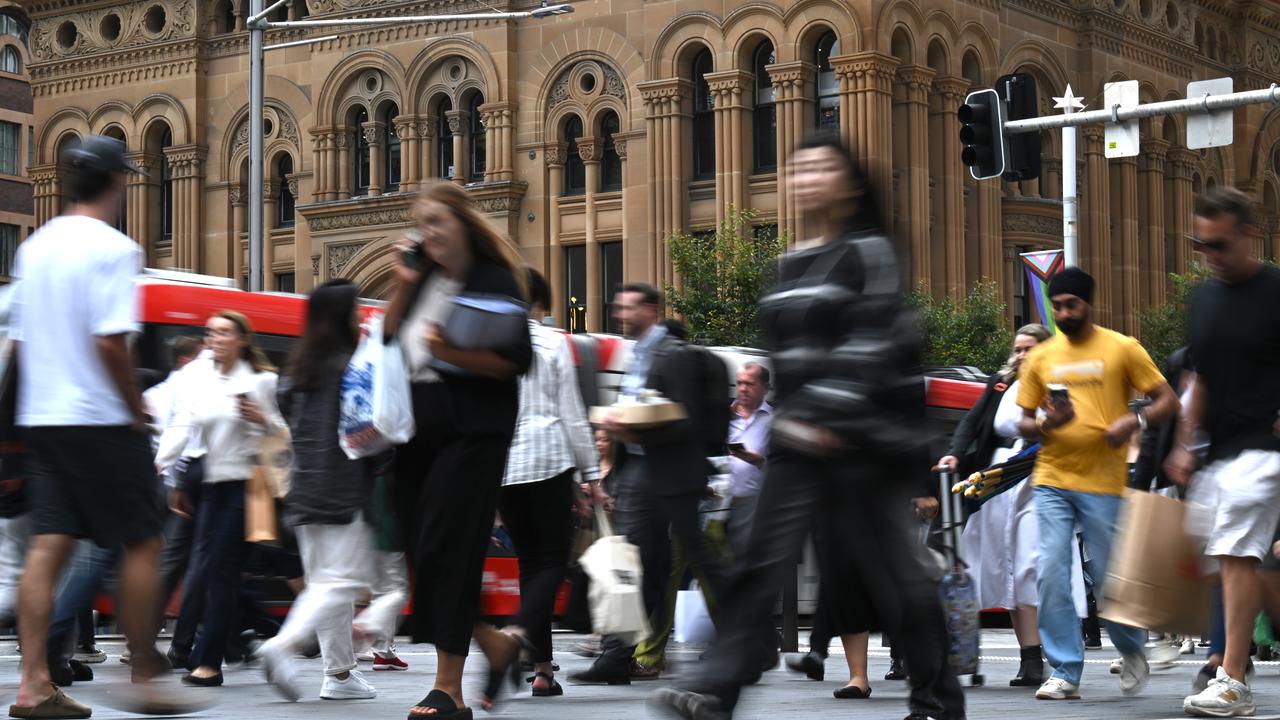
But since then, consumer spending had held up relatively well and hiring had been stronger than expected, Dr Chapman said.
Part of the gradual softening in the labour market in 2026 has been more people looking for a job or trying to pick up extra work to cope with rising living costs.
Madeline Hill, general manager of recruitment agency Randstad, said internal data showed 36 per cent of Australian workers were looking for or had already taken on a second job to help with rising living costs.
Demand for jobs was also lumpy, she said.
The data centre boom was driving huge growth in skilled trades, with demand for heating, ventilation and air-conditioning technicians up 249 per cent.
“We might be looking at a two-speed market in Australia right now where a broader softening indicator conceals demand in specific sectors,” Ms Hill said.
AAP