Iran calls latest US response to proposal insufficient
|
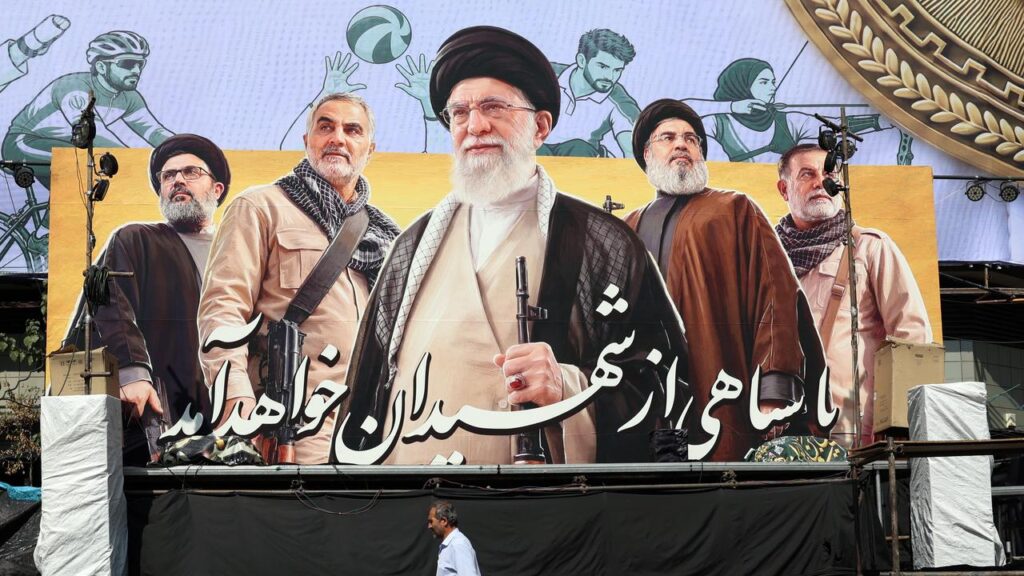
The head of Iran’s Supreme National Security Council says Tehran finds the latest response from the United States “insufficient” as efforts at negotiations to end the war and fully open the Strait of Hormuz limp along.
The comments by Mohsen Rezaei, a former Revolutionary Guard commander, were carried by Iran’s state-run IRNA news agency.
Rezaei says Iran is no longer responding to the US and said Washington must clarify certain issues. He said the US has accepted some of the seven conditions but others remain unclear.

Iran’s delegation to the annual UN gathering of world leaders in September proposed a sped-up agreement that echoed the memorandum of understanding that collapsed days after the US and Iran signed it in June. The new proposal was rejected, but the two sides have remained in contact.
Rezaei also threatened “cables, data centres, AI facilities and other sites in the region” if intense fighting breaks out again.
Meanwhile, the Guard’s navy warned that any ship on the Strait of Hormuz that turns off navigation and identification systems would be “identified as hostile”, according to an IRNA report.
Attacks on ships transiting the strait have increased since Iran’s proposal was rejected. One attack was reported on Sunday.
Meanwhile, Israel’s former attorney-general took the witness stand in Prime Minister Benjamin Netanyahu’s long-running corruption trial.
Avichai Mandelblit indicted the prime minister seven years ago for fraud, breach of trust and accepting bribes.
Netanyahu was in the courtroom to hear Mandelblit testify. The prime minister handpicked Mandelblit, his former Cabinet secretary, for the attorney-general job. His tenure ended in 2022.
Netanyahu has been accused of offering or exchanging favours with wealthy associates and media moguls for political gain. He denies any wrongdoing.
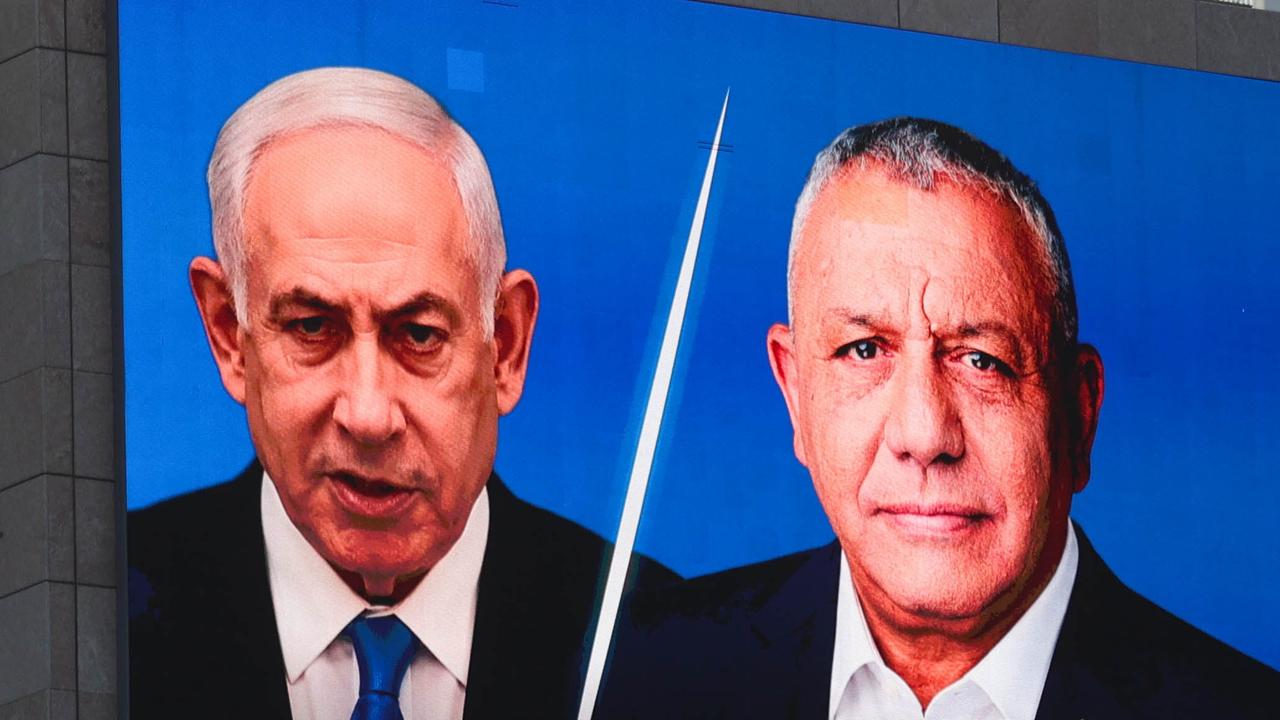
Netanyahu is fighting to stay in power in the October 27 election, in which security is a major issue.
Meanwhile, residents in central Gaza have returned home to assess the damage caused by Israeli strikes after they had been warned to evacuate.
Bassam Abed said at least 10 residences housing some 300 families were reduced to rubble, and families were not given enough time to flee.
“Women slept outdoors. We did not take clothes,” Abed said.
Israel’s military said it had targeted militant infrastructure, including a rocket launch site and a command centre used by Hamas militants to attack soldiers.
One year after Israel and Hamas reached a ceasefire deal, Israel continues to launch near-daily strikes.
AP