Tax changes ‘crack the nut’ on housing affordability
Jacob Shteyman |
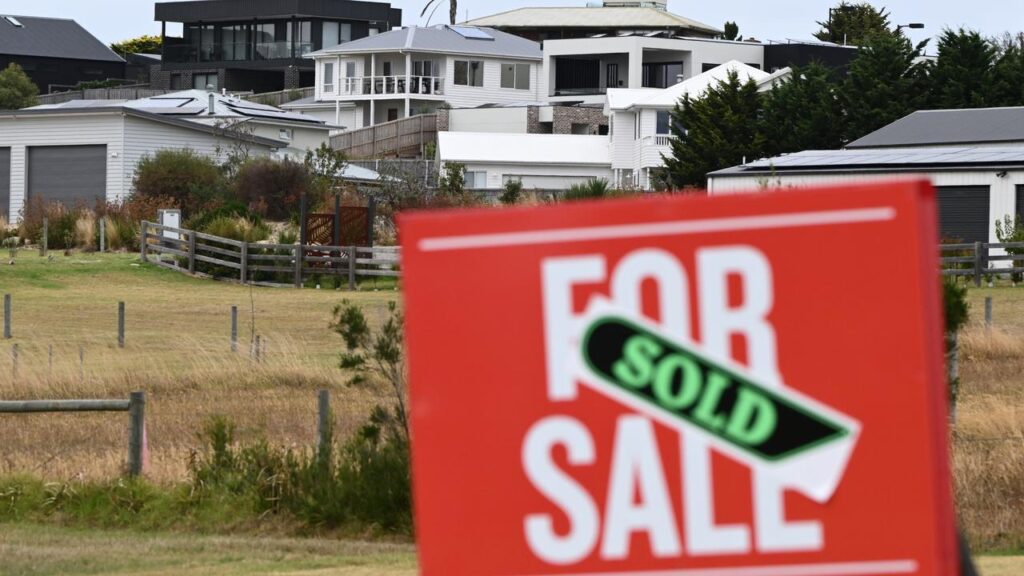
Slumping auction clearance rates show buyers continue to eschew the property market, but prospective home owners are set to win long term.
The nation’s housing market is undergoing its biggest affordability improvement in 50 years, according to left-leaning think tank the Australia Institute.
Labor’s curbs to investor tax breaks were largely to thank, chief economist Greg Jericho said.
“After 25 years of governments ignoring the real problem with housing, the changes to the capital gains tax discount and negative gearing in the May budget have finally tackled the heart of the issue,” he told AAP on Sunday.
“I think you can see even in the short time since then that it really has cracked the nut.”
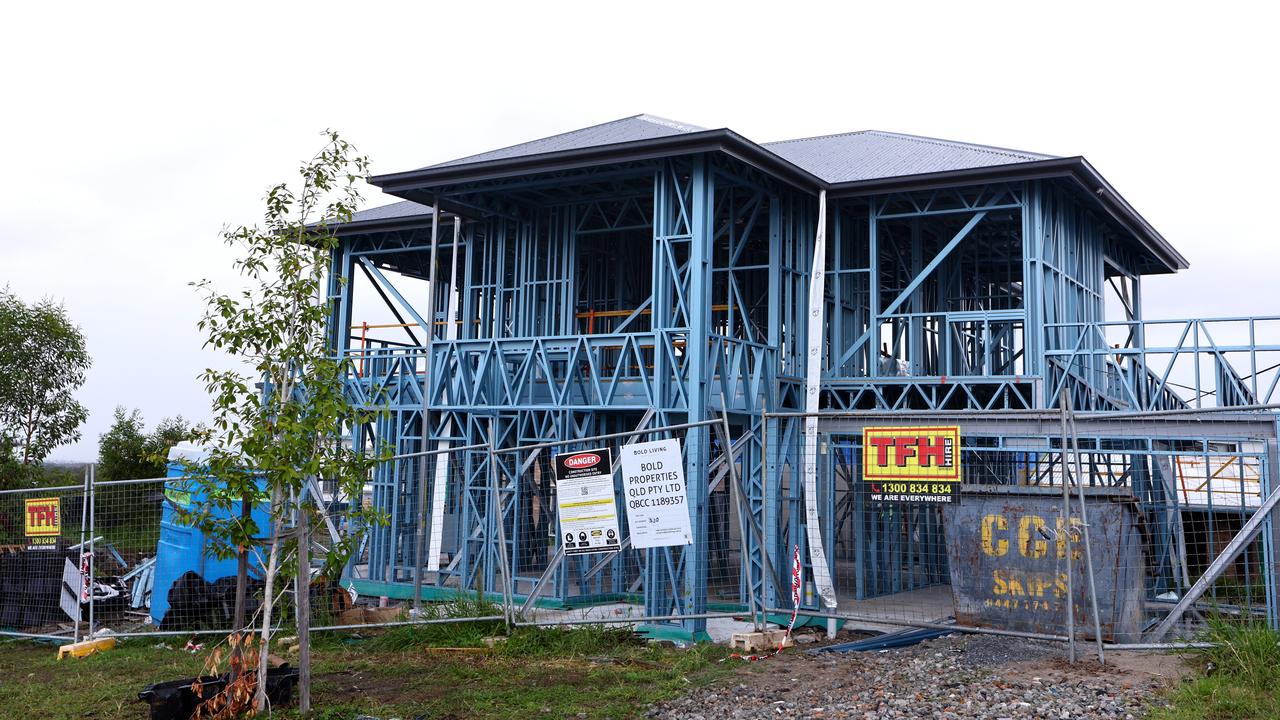
National housing prices have fallen by 5.2 per cent since March, according to property data firm Cotality.
Prices were already falling before the budget due to rising interest rates and high living costs, lending data shows the downturn has hit investors especially hard.
There are signs carve-outs for new builds are also having their intended effect of directing investment into extra supply.
While investor loans for established dwellings fell 14 per cent in the June quarter, according to the Australian Bureau of Statistics, investor loans for new builds rose 4.4 per cent.
“To me suggests that actually there has been a real change in behaviour,” Mr Jericho said.
But even if prices fall 15 per cent from peak to trough, as the most bearish of forecasts suggest, that would only bring them back to 2024 levels.
Mr Jericho said the changes meant prices should no longer grow at a much faster rate than incomes over the long term and affordability would gradually improve even after the downturn was over.
For now, even owner-occupier demand remains cool.
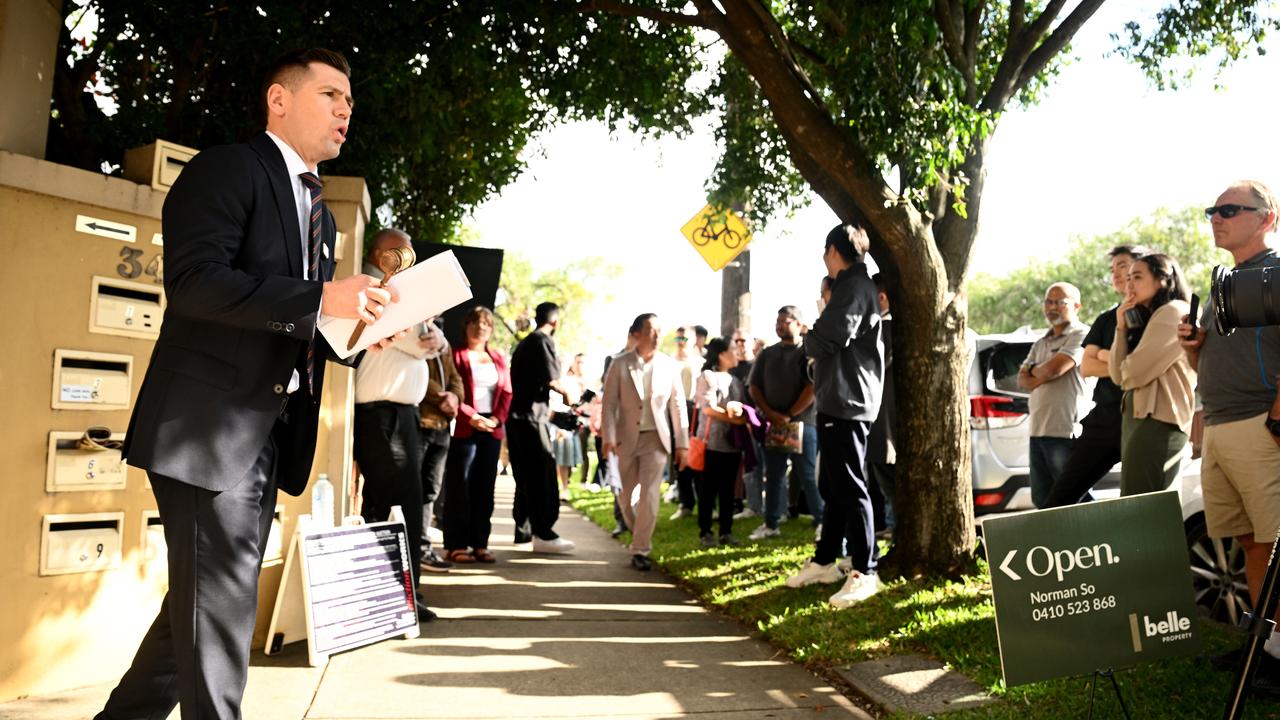
Preliminary auction clearance rates held below 50 per cent for a second straight week, despite there being 31 per cent fewer auctions than a year earlier, Cotality said.
“The volume of auctions held through the first six weeks of spring hasn’t been this low since 2020 when pandemic lockdowns were in full swing,” research director Tim Lawless said.
While home-building figures have improved in recent months, detractors of Labor’s changes have warned lower investor demand for housing would result in less supply and higher prices for renters.
Rental price growth eased to 0.5 per cent in the September quarter, down from the 1.6 per cent increase in the June quarter and 2.1 per cent in the three months to March, Cotality data showed.
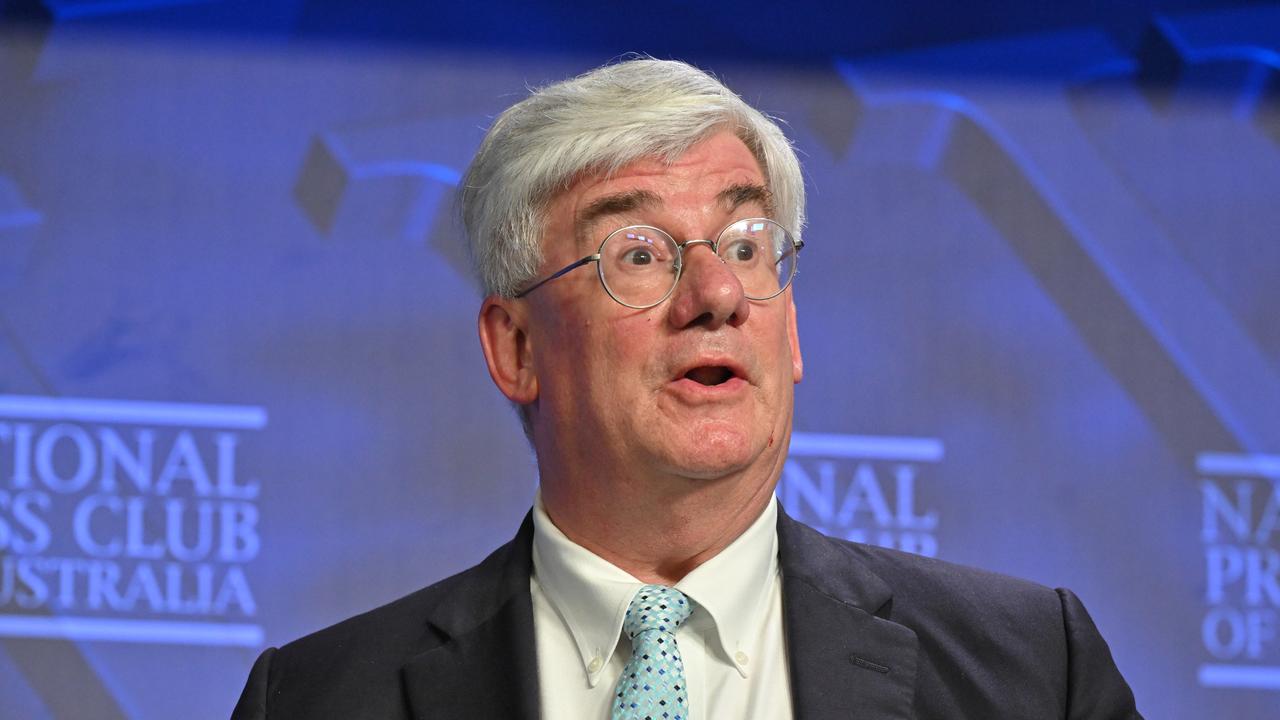
Independent economist Saul Eslake said the higher rents argument was flawed.
Fewer investors buying homes means more homes for owner-occupiers, which means demand for rentals falls at the same time as rental supply.
Despite the changes having the desired impact of increasing affordability without causing a spike in rents, Mr Eslake said Labor leaders had been curiously reluctant to own their policy.
“It reflects the fundamental reason why housing has become so unaffordable; Australians as a people and the politicians they elect have shifted from seeing housing as meeting basic human needs towards seeing housing as primarily a vehicle for accumulating wealth,” he said.
AAP