Hero to zero: AI factory pulls stock exchange listing
Derek Rose |
A blockbuster corporate float, set to be the second-largest in Australian history, has been pulled after institutional investors turned up their noses at its multi-billion-dollar initial public offering.
Firmus Technologies was seeking to raise $7 billion in an initial public offering of shares that valued the data centre operator at a whopping $44 billion, which would have put it ahead of Coles, QBE and all but around 15 companies on the local bourse.
But on Friday, Firmus pulled its application to list on the Australian stock exchange, citing market volatility.
“Having considered recent market volatility and prevailing market conditions, the board determined that the terms on which the offer could proceed would not appropriately reflect the strength of the Company’s business and long-term growth outlook,” the company said.
“The board therefore concluded that proceeding with the Offer was not in the best interests of the company and its shareholders.
“Firmus will now pursue capital from the private markets and consider alternative public and private market options.”
Media outlets on Thursday reported the deal’s lead bankers were struggling to find buyers for the float at its hoped-for price of $11 per share.
They had tried to salvage the listing by slashing the price to around $8.25 per share, The Australian and The Australian Financial Review reported, citing anonymous sources.
“Clearly, demand’s not there,” WeBull Australia chief executive Rob Talevski told AAP.
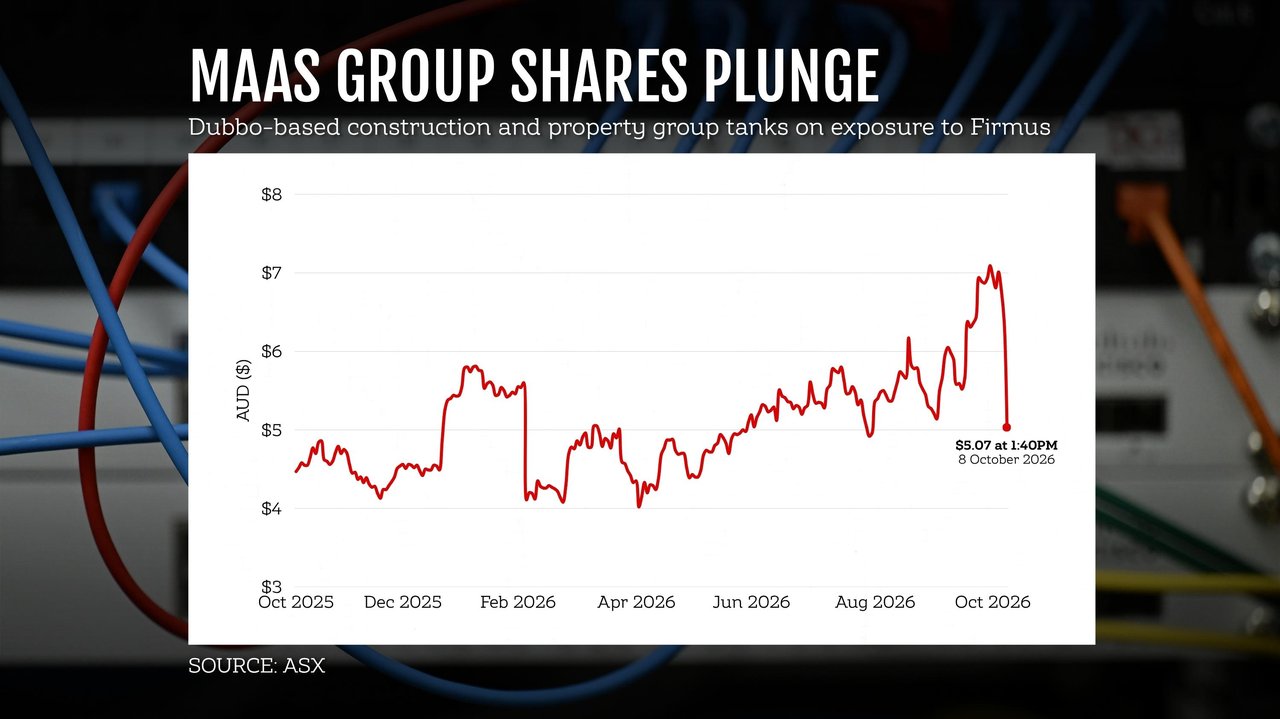
Shares in Maas Group, a Dubbo, NSW-based diversified industrial group that owns a 3.2 per cent stake in Firmus and is also a supplier to the company, plunged by more than 20 per cent to a more than two-month low of $4.96 on Thursday.
In response to a query from the ASX, Maas Group attributed the slide to market speculation and commentary about whether Firmus’ IPO would be proceeding.
Critics questioned Firmus’ valuation because the company is still in the start-up phase and only a fraction of its AI data centres have actually been constructed.
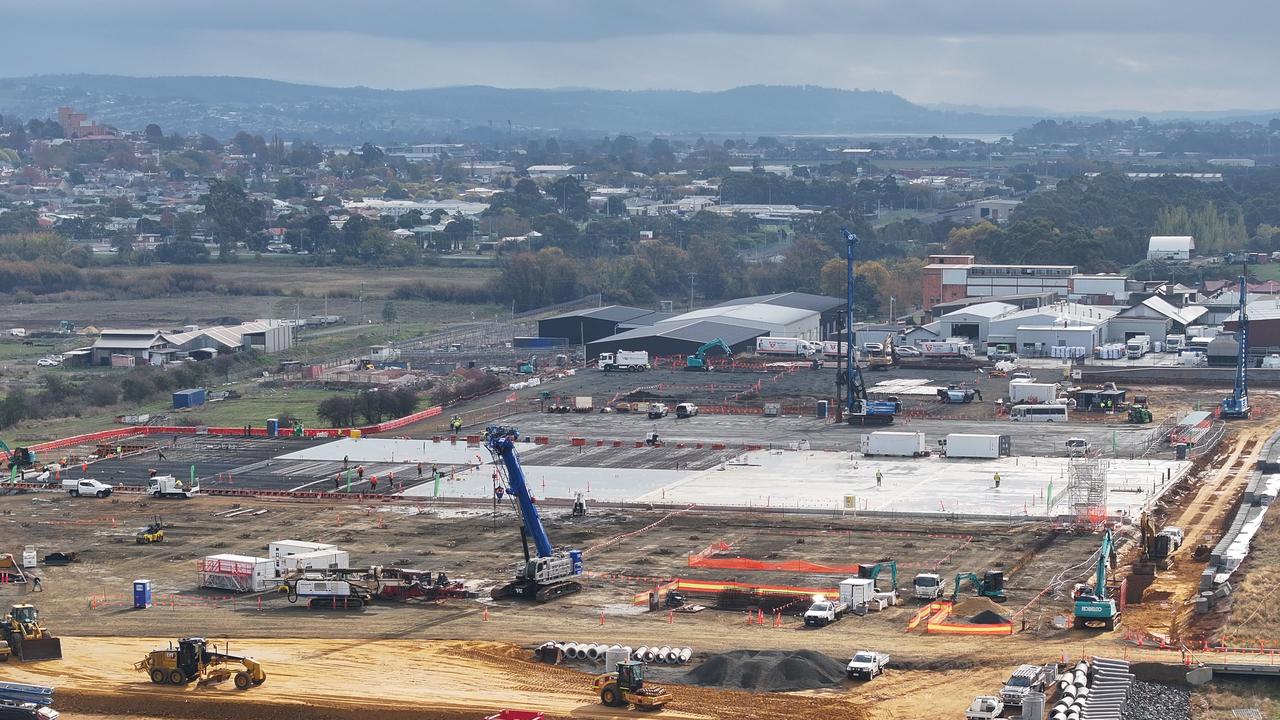
It has just two currently operational, in Melbourne and Singapore, with plans to build many more, including two in Tasmania that have run into community opposition.
Firmus planned to issue around $US30 billion in debt to build the data centres, then rent the “AI factories” back to big tech companies such as Meta.
The company was founded as a Bitcoin mining company in 2019 by Oliver Curtis, his cousin Tim Rosenfield and brother-in-law Jonathan Levee.
The husband of Sydney socialite Roxy Jacenko, Mr Curtis was convicted a decade ago in a high-profile insider trading case and served 12 months in prison out of his two-year sentence.
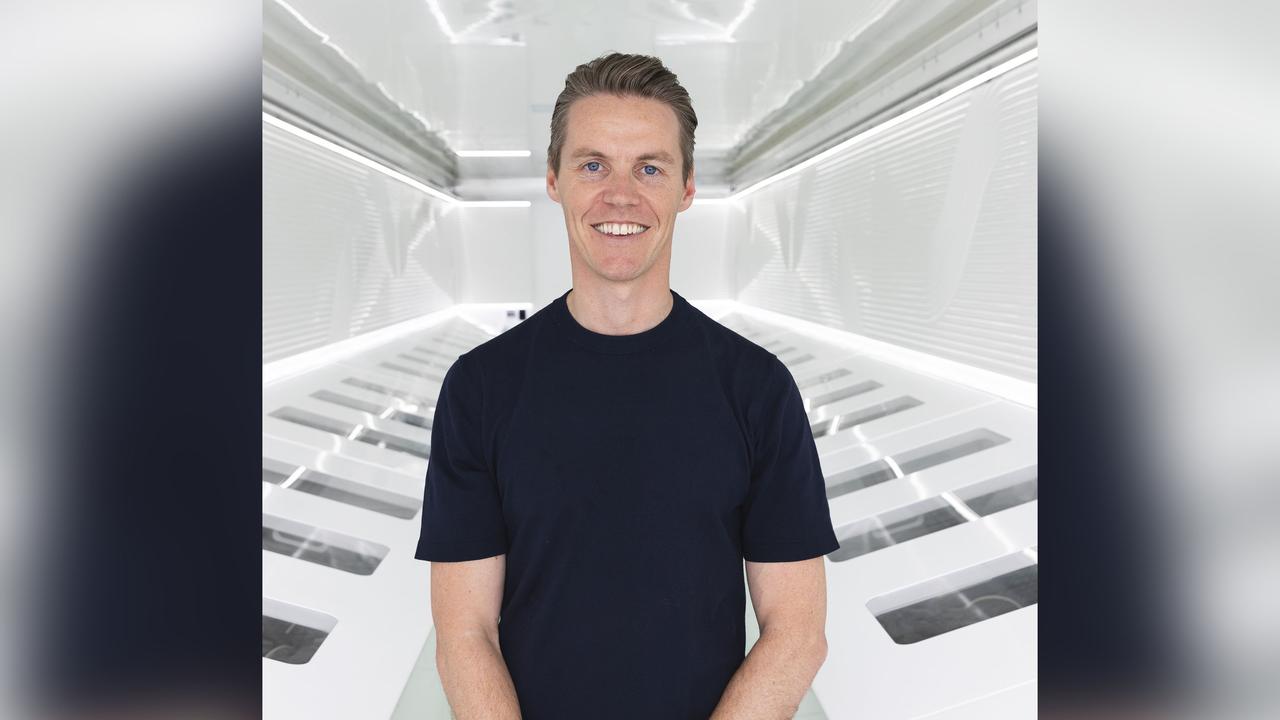
Mr Curtis holds a 13.3 per cent stake in Firmus, with its other investors including AI chipmaker Nvidia, global private equity giant Blackstone and local backers Regal Partners and Wilson Asset Management.
Mr Talevski on Thursday said if the float was pulled, it would be a “disaster in a sense”, but noted that the markets had a short memory and Firmus could always float later at a lower valuation.
“But I think there’s a lot to weigh up here,” he posted on social media, noting that a growing community backlash against data centres suggested that building them might not be as easy as first thought.
AAP