One Nation funding linked to delay in electoral reforms
Ben McKay |
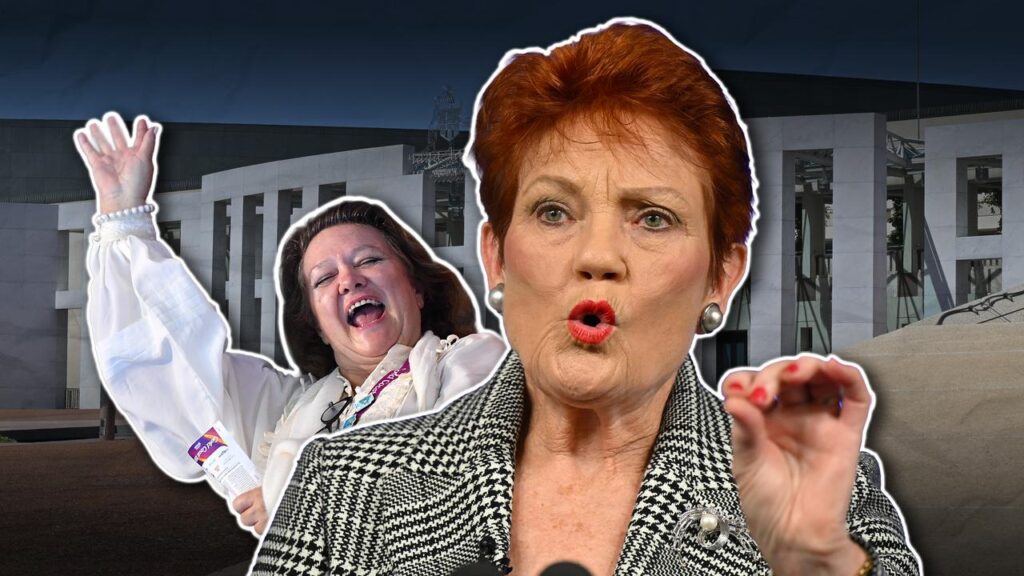
Federal politicians have been urged to consider a radical South Australia-style ban on donations to parliamentary parties and MPs ahead of a major shake-up of electoral funding laws.
Donations to federal political parties will be capped for the first time from January, in the biggest electoral law changes since the 1980s.
The reforms, agreed by Labor and the coalition in February 2025, drop disclosure thresholds, require faster disclosure, and cap campaign spending.
They have been criticised by minor parties and independents as tailor-made for major parties, and are subject to a High Court challenge on constitutional grounds.
In the 2026 Lucinda Lecture on Wednesday night, University of Queensland emiritus professor Graeme Orr damned the reforms with faint praise, declaring them “better than nothing”.
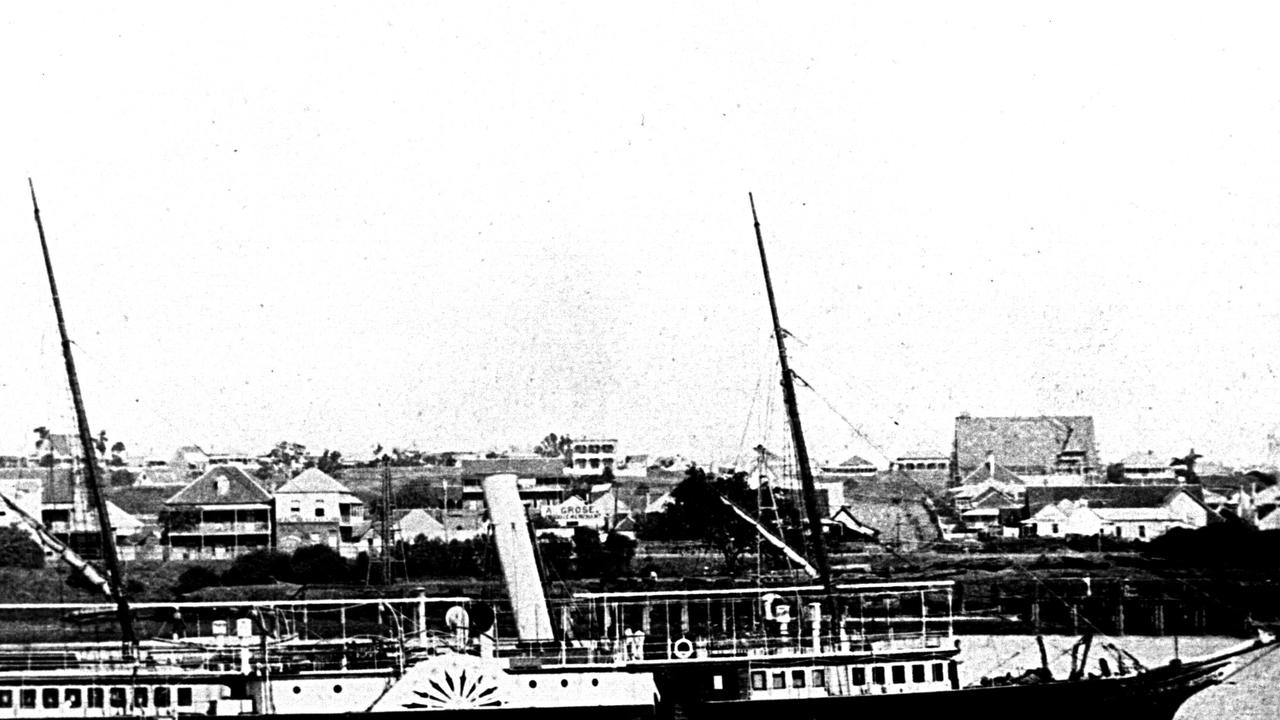
Prof Orr used the annual oration, named after the ship where founders finalised the first draft of Australia’s constitution in 1891, to criticise the 250-page law as “Byzantine”.
The donation caps – set at $50,000 each year – allow wealthy individuals to donate to the same party across state borders, and to separate candidates, or third party groups, which Prof Orr said made for an effective cap of $1.6 million.
Parties can spend no more than $90 million each campaign and just $800,000 towards any one seat, with different rules for those outside parliament.
“Lobby groups will be allowed to spend $11.25 million in election campaigns but advocacy groups can still have pure issue advertising, which will be uncapped,” Prof Orr said.
“Now, complexity … is surely good for lawyers and academic analysts.
“But politics is meant to be for everyone, not just for those who can afford specialist legal advice.”
The new regime was to take effect in July but was pushed out as the electoral commission dealt with implementation challenges.
Smelling a rat, Prof Orr suggested rival donations were also a factor.
“To my mind, there’s an unofficial second explanation,” he said.
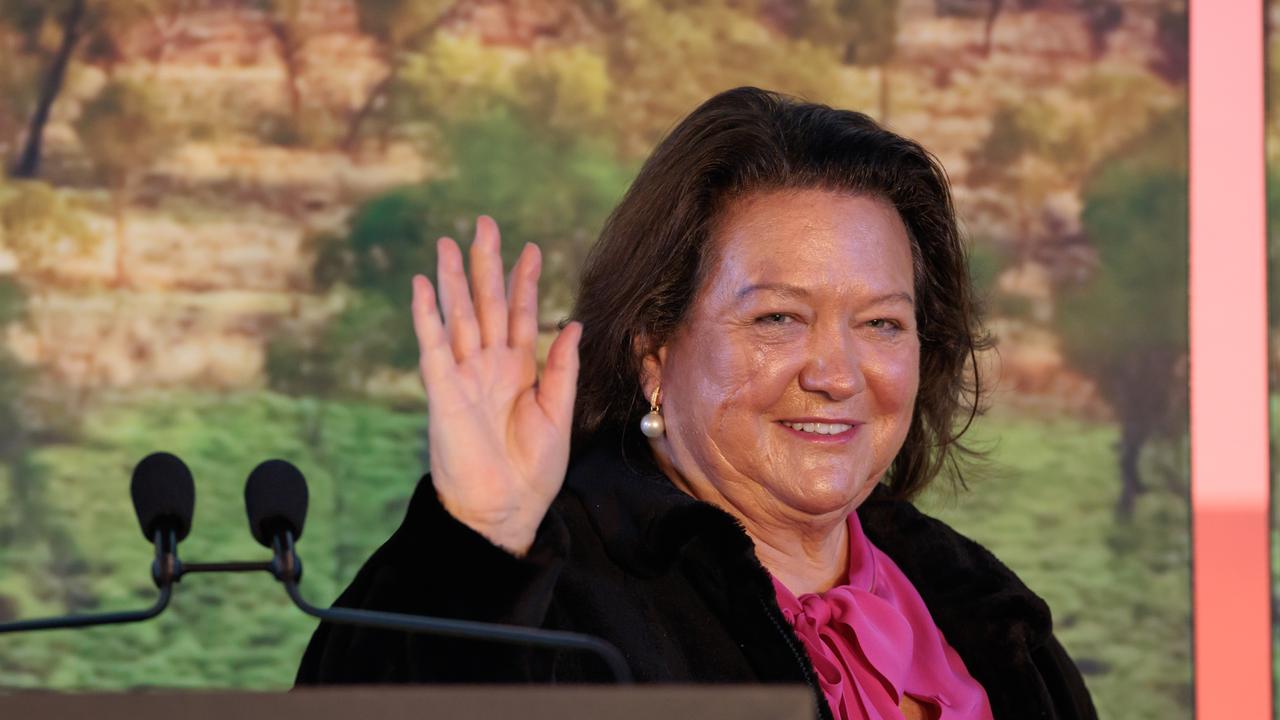
“Gina Rinehart … has orchestrated some very generous donations and contributions to the resurgent One Nation party before the middle of this year.
“So the major parties now want time to play catch-up.
“This echoes the famous words of Saint Augustine: ‘Lord, make me chaste and celibate, just not yet’.”
Major party sources privately scoffed at that idea, saying it didn’t follow that a longer wait for caps would change who was receiving them.
Any sums received will become plain in February when donations above the current disclosure threshold of $16,900 are revealed by the electoral commission.
Prof Orr said many analysts were closely watching South Australia, which has legislated a total ban on donations to parliamentary parties and MPs.
In return, candidates get beefed-up public funding of $14 per vote to run their organisations.
“This focus on fully publicly funding parties has washed away many of the issues to do with transparency,” Prof Orr said.
Prof Orr said the move was possibly over-reach, and risked “sterilising” parties from healthy outside interests.
“But wait and see: the South Australian adventure with full public funding will be of interest not just to the rest of Australia but internationally.”
AAP