Coal demand set to plunge as the world goes electric
Jennifer Dudley-Nicholson |

The world is not electrifying fast enough to limit global warming, a study has found, but stronger policies and existing technology could boost progress and slash fossil fuel demand.
Climate Resource issued the findings on Thursday from a report funded by the Australian government and released on the final day of the Pacific pre-COP31 summit in Fiji.
The release also came as Australia endorsed a rooftop solar plan at the event designed to double the number of homes with the technology by 2030.
The Climate Resource report analysed 10 global emissions pathways and electrification trends to assess whether the world could use electricity for 35 per cent of its final energy needs by 2035.
The target, formalised in September as the 35-by-35 Global Electrification Pledge, is expected to be discussed at November’s COP31 event in Turkey.
But the research found electricity would supply less than 30 per cent of global final energy demand by 2035 under current policies, falling short of the target.
Using existing “cost-competitive” technology could raise the electrification rate to 33 per cent by 2035, it said, but reaching the target would require more changes, including policies to support infrastructure, consumer awareness and finance.

Under the most ambitious pathways, median coal demand would plunge by 68 per cent compared to 2025, while oil demand would drop by 23 per cent and gas by 19 per cent.
The findings showed the target was still within reach, Climate Resource chief executive Rebecca Burdon said, even though nations would need fresh policies.
“This is achievable and much is already cost-effective,” she said.
“The task now is to move faster.”
Global temperatures would rise by 1.7C in the 2040s under the proposed pathways, the report found, but they would return to 1.5C by 2100.

Policy changes would allow renewable energy to play a greater role in reducing emissions, Energy Efficiency Council chief executive Luke Menzel said, and the report showed nations how they could do it.
“By scaling up electrification and renewable energy together, we end up with less fossil fuels in our energy system,” he said.
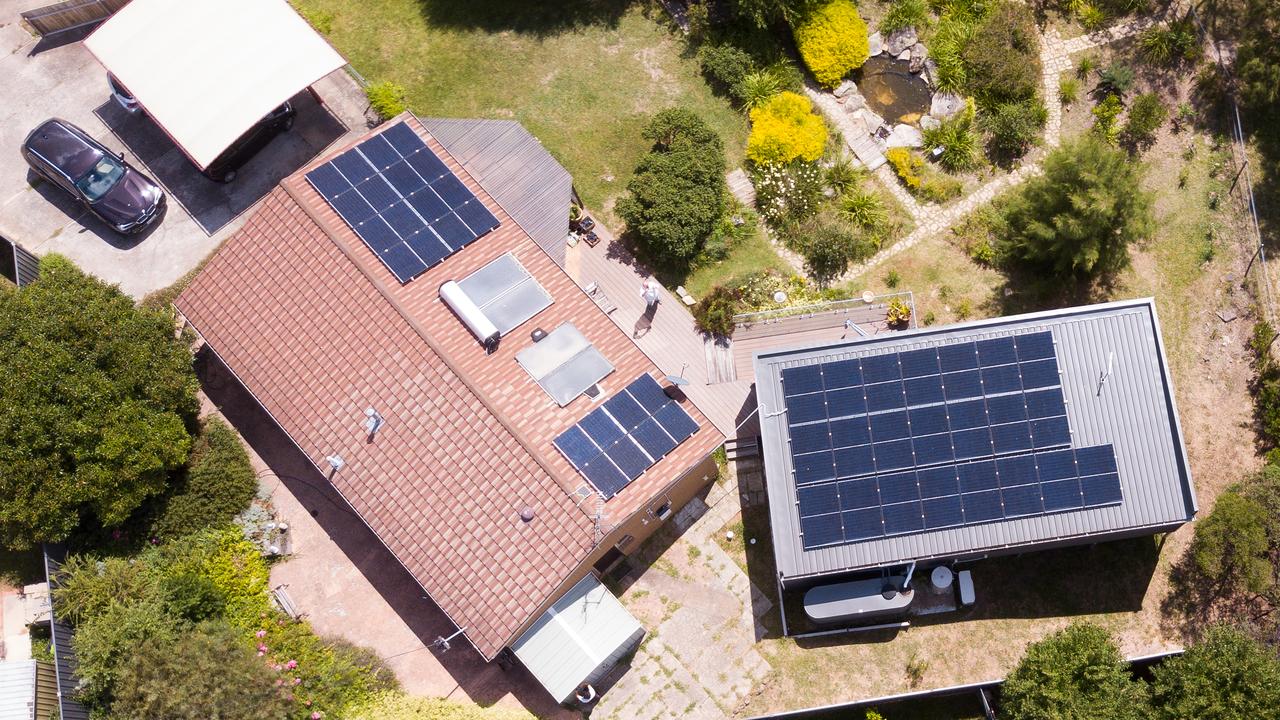
The report was released as Australia endorsed the Global Rooftop Solar Declaration at the pre-COP31 summit, which is designed to double the number of homes with rooftop solar from 150 million to 300 million by 2030.
The declaration calls for signatories to make solar panels and batteries easier and more affordable to install, and to expand skilled workforces to support it.
Australia led the world in rooftop solar installations, Energy Minister Chris Bowen said, and would share its expertise with other nations.
“We’re working with other countries to spread rooftop solar more around the world,” he said.
AAP