Ratings agency warns on record government spending
Jacob Shteyman |
Near-record high levels of government spending could threaten Australia’s fiscal health in the long run if the nation’s economic luck runs out, a major ratings agency has warned.
Federal government payments hit 26.9 per cent of gross domestic product in the 2025/26 financial year, which was the highest level in 40 years excluding COVID-19.
S&P Global Ratings lead analyst Martin Foo said that Australia’s high levels of tax revenue meant that was not a problem in the short term.
Indeed, S&P recently reaffirmed the commonwealth’s AAA sovereign credit rating.
But it posed two potential problems down the track.
Firstly, Australia’s elevated spending was structural in nature, including higher spending on defence, aged care, social security and interest payments.
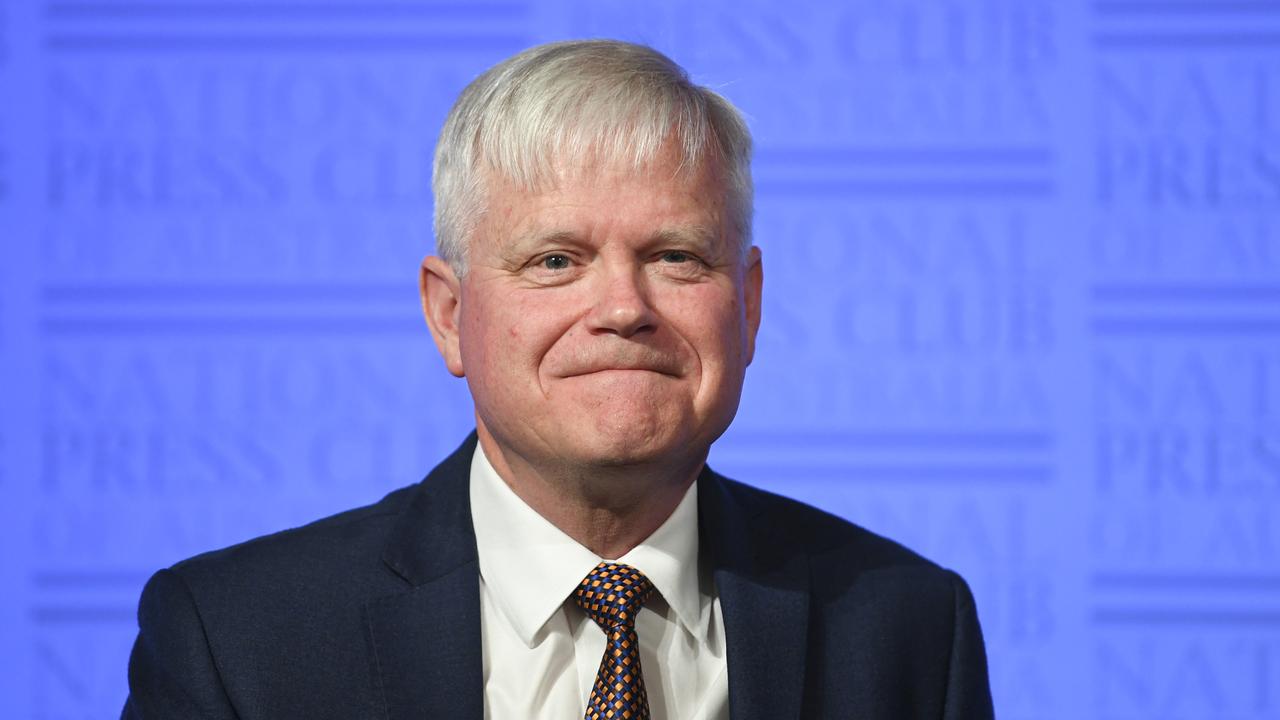
“These all look like they’re here to stay, and that could be a problem if revenue windfalls decline,” Mr Foo said.
Australia’s tax take has benefited in recent years from high company and income taxes.
At 24.1 per cent of GDP, tax revenue is at the highest level on record, except for 2004/05 and 2005/06 at the start of the mining boom.
But if elevated commodity prices faltered or the unemployment rate was to rise suddenly, Australia’s recent run of tax windfalls could come to an end.
The comments were echoed by veteran economist Chris Richardson.
“Making permanent promises off the back of temporary windfalls is the oldest mistake in the budgetary book,” he said.
The second problem was that high government spending was complicating the job of the Reserve Bank, Mr Foo said.
“Right now we have a situation where the RBA and the government are, in some cases, pulling in opposite directions,” he said.
“The RBA is trying to clamp down on inflation that’s primarily driven by growth in aggregate demand, and that means that you have the two major arms of public policy in Australia really not being as effective in delivering their individual mandates as they could otherwise be.”
Following the RBA’s decision to raise interest rates in late September, Governor Michele Bullock said the Middle East conflict had worsened inflation in recent months, but domestic capacity pressures were the main factor driving the breakout in price growth.
But Treasurer Jim Chalmers said growth in public demand had been easing while the private economy had been accelerating.
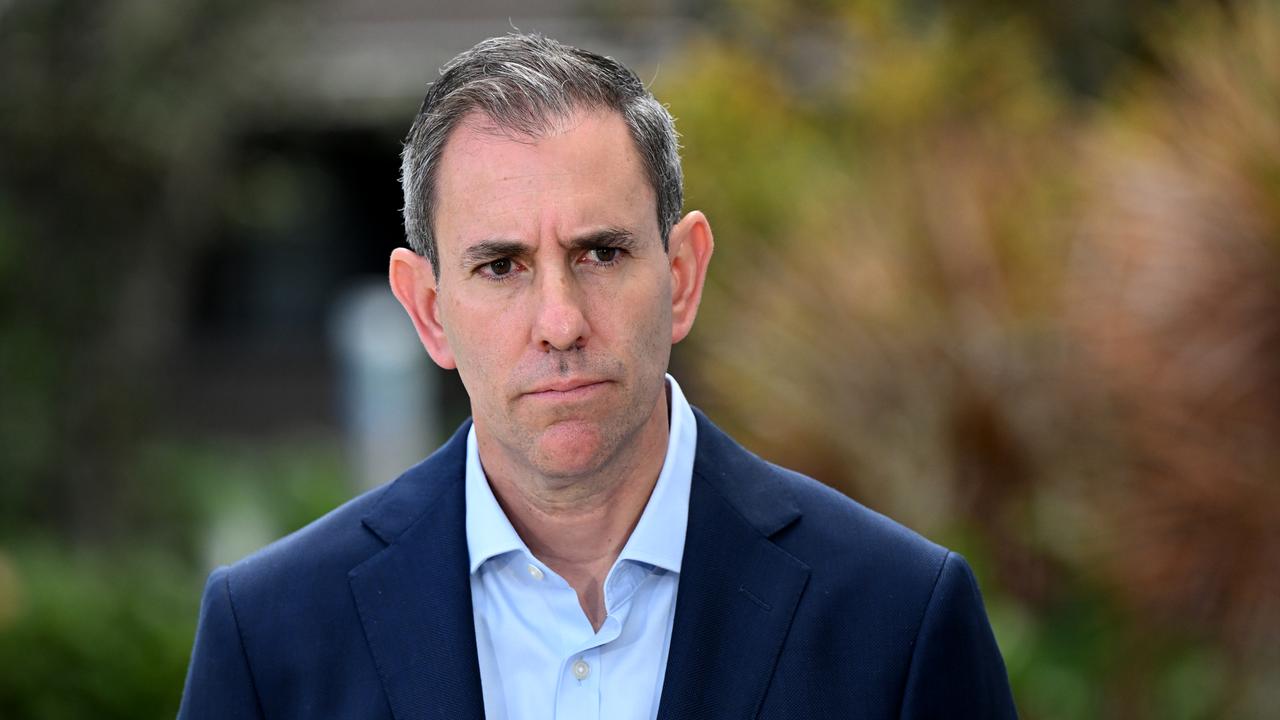
“If you think about the last year or so, compared to the year before, public final demand growth has halved while private final demand growth has tripled. And so that gives you a good sense that there are other factors at play,” he told Bloomberg Australia in an interview.
Ms Bullock said the underlying reason why the economy was breaking out in inflation sweats despite relatively subdued growth was because productivity had been “doing nothing”.
Part of the reason why productivity has stagnated was because Australia was being throttled by regulation, according to a report produced by consultancy Mandala for the Australian Institute of Company Directors.
If the federal government rolled back the regulatory burden back to 2000s levels, Australia’s economy would be boosted by at least $20 billion a year, the report found.
Australia needed to have a national conversation around what an acceptable level of risk, said the institute’s chief executive Mark Rigotti.
The population has come to expect 100 per cent perfection and governments have been expected to react with new regulation every time something goes wrong, without thinking about the long-term impacts to overall prosperity.
“If we don’t fix this, all of our grandkids are going to be worse off,” Mr Rigotti said.
AAP