Polls close in high-stakes, first-round Brazil election
|
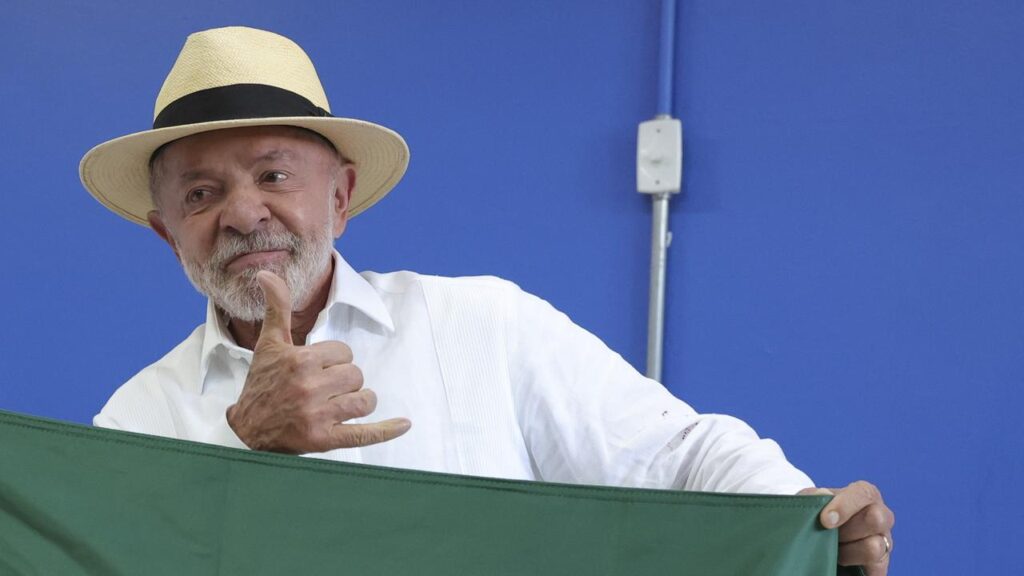
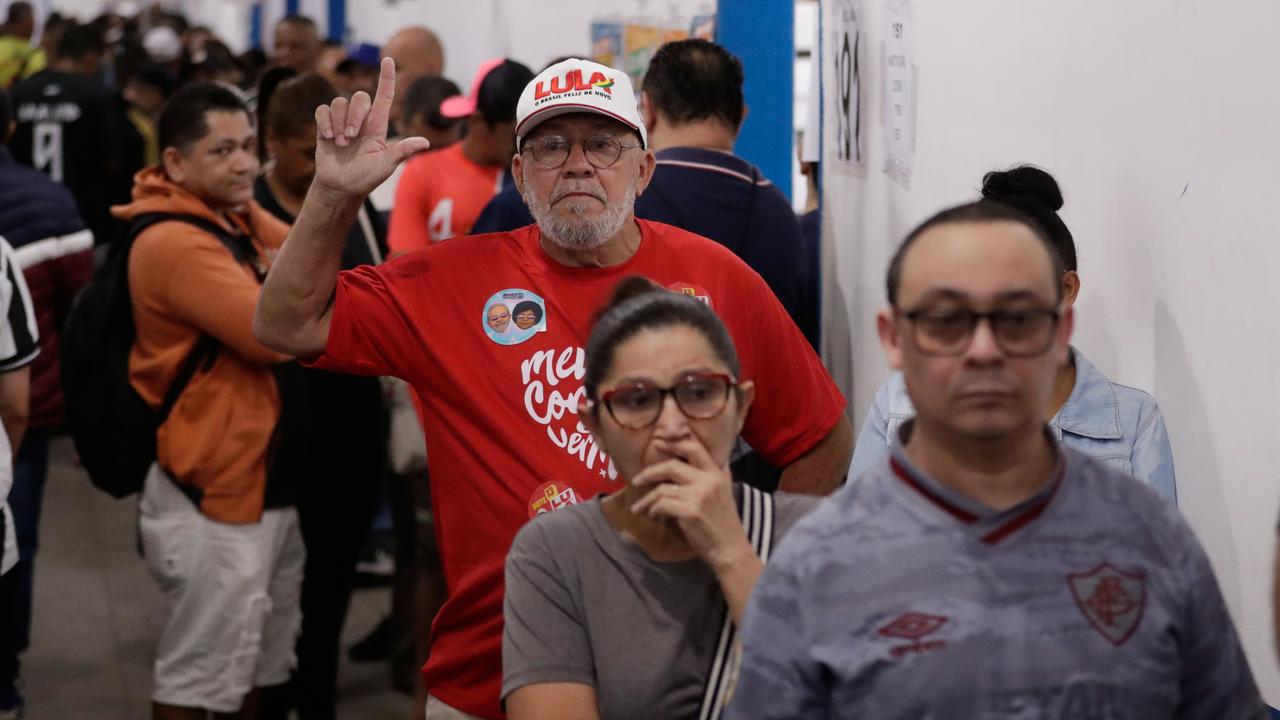
Polls have begun closing in Brazil after voters queued in long lines to vote in the first round of a tight presidential election, following a campaign dominated by corruption scandals, economic anxiety and accusations of US meddling.
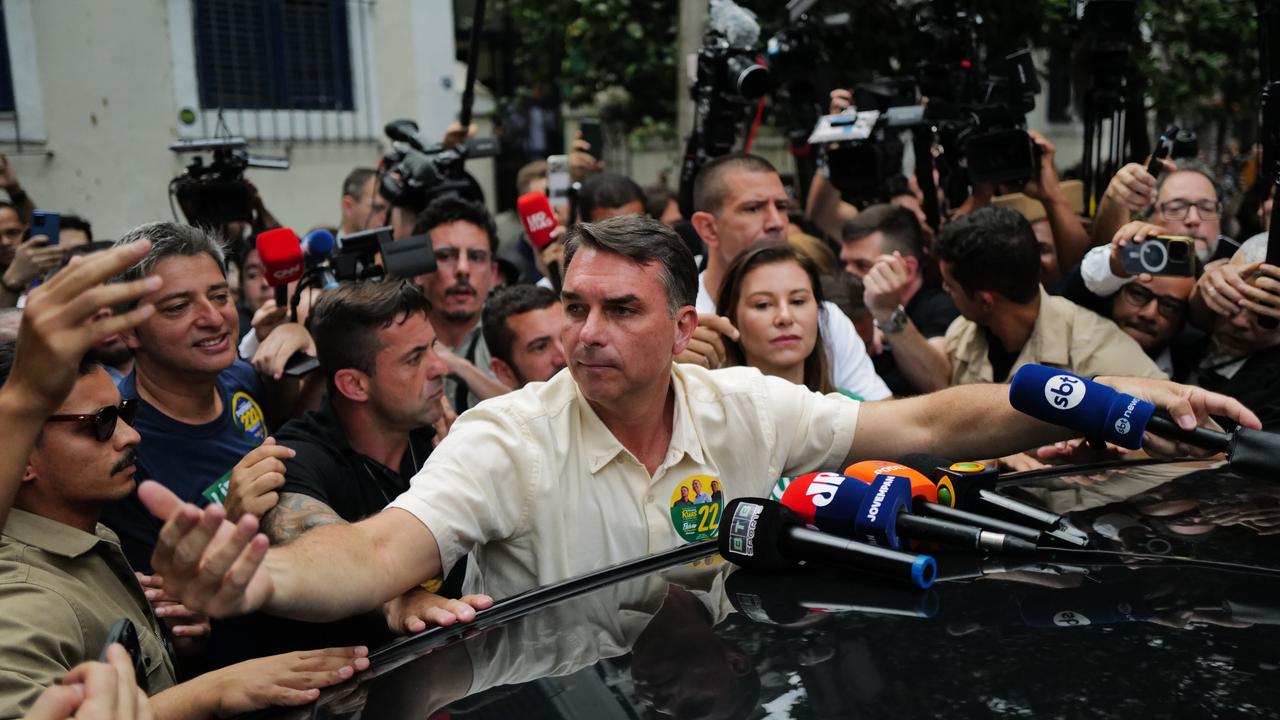
The field of candidates has been led by two clear frontrunners — leftist President Luiz Inacio Lula da Silva, 80, who is seeking a fourth term, and Senator Flavio Bolsonaro, the 45-year-old son of former president Jair Bolsonaro, who hopes to return his father’s right-wing movement to power.
A victory for the senator would extend a wave of wins across Latin America by right-wing candidates aligned with US President Donald Trump, while Lula’s re-election could create a headache for Washington, which has clashed with his government over trade and security.
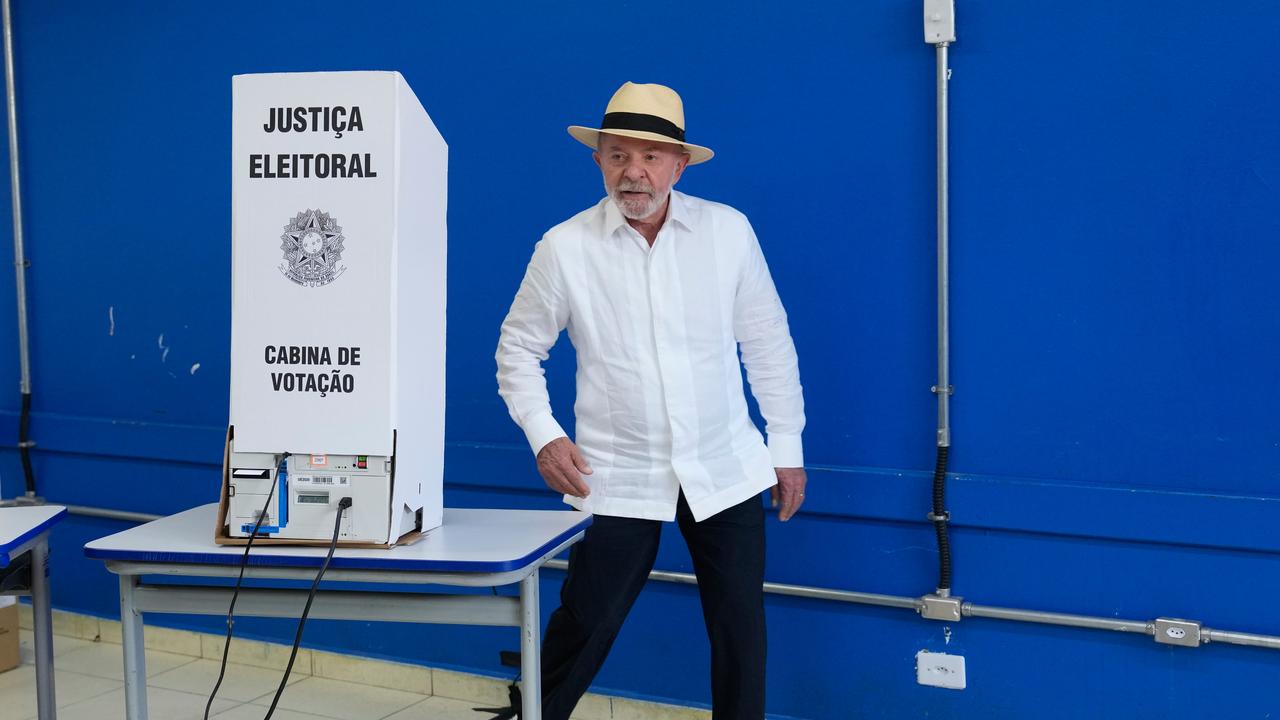
Despite growing worries over Brazil’s public finances and sluggish economic growth, the campaign offered meagre policy discussion, as both leading candidates skipped the major TV debates.
All of Brazil’s states close polls at 5pm on Sunday, though people in line before this time will still be allowed to cast their vote. Results will be reported shortly after.
If no candidate wins more than 50 per cent of valid votes, the top two will face off on October 25. Surveys show Lula and Bolsonaro polling about even in a likely runoff.
While polls right up until Saturday showed Lula would likely lead the first round but not avoid a runoff, Bolsonaro told journalists in Rio de Janeiro he was confident he could win the presidency in the first round, citing voters’ frustration with his chief opponent.
Bolsonaro was counting on “a protest vote from people who would otherwise vote for another candidate but are opposed to Lula,” he said.
“I hope it’s enough to secure a victory in the first round.”
Lula’s allies have warned that the Trump administration might refuse to recognise election results if he wins, pointing to an aborted effort to send US officials to Brazil.
“What is at stake is the future of Brazil,” he said after voting in Sao Bernardo do Campo, in Sao Paulo state.
Trump has not formally endorsed a candidate, though he hosted Senator Flavio Bolsonaro at the White House and praised him publicly.
The United States has rejected claims of interference in Brazil’s affairs.
Despite falliing inequality and unemployment, Lula has struggled to win over voters grappling with high living costs, heavy household debt and the threat of street crime and more pervasive gang activity.
Bolsonaro has sought to capitalise on cost-of-living concerns, while Lula has moved to ban online gambling and, as the race tightened, expanded welfare and proposed fresh debt relief for families.
Rising spending and public debt above 82 per cent of GDP have stoked fiscal concerns that Brazil’s next president will need to address. The government lowered its economic growth forecasts for this year and next to just 2.0 per cent and 2.3 per cent respectively.
On Sunday, voters will also elect all 513 lower house members and two-thirds of the Senate, where some lawmakers have pushed to impeach Moraes.
Congress has gained greater influence in Brazilian politics since the impeachment of former President Dilma Rousseff, a Lula ally, in 2016, raising the stakes of those legislative races.
Reuters