Government drags heels in fight over ‘death traps’
Andrew Stafford |
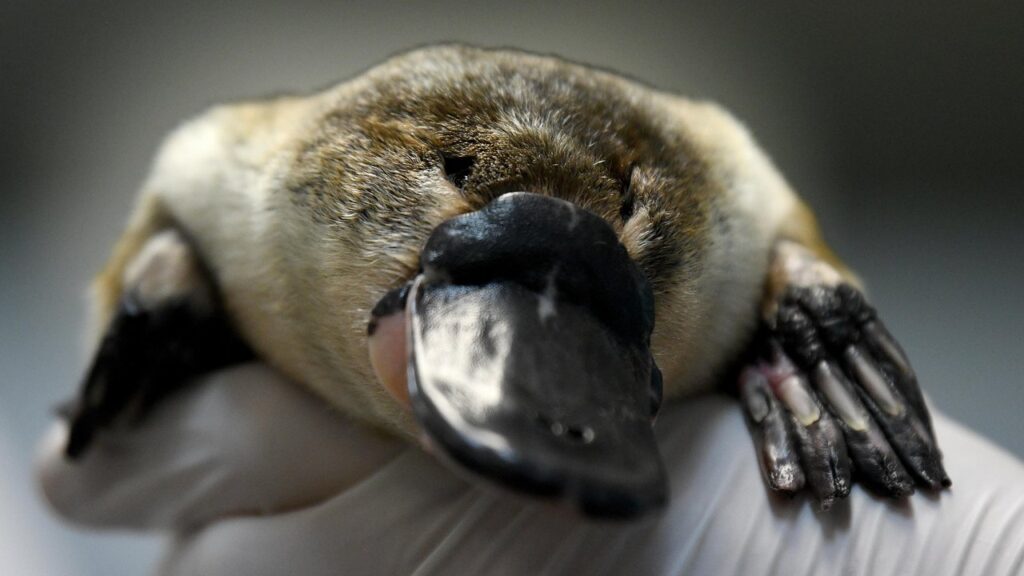
They’re often called death traps: cheap collapsible fishing nets with two funnel-shaped entries intended for yabbies but notorious for ensnaring any air-breathing animal that enters them, including the platypus.
The so-called opera house traps have been banned or restricted from sale in all states and territories except one, leaving both conservationists and fishing groups perplexed.
Eighteen months after the Queensland government released a consultation report showing 65 per cent of recreational fishers in favour of a ban on the nets, the issue remains in the long grass.
The state remains an outlier – something Charlie Ladd, president of the Freshwater Fishing and Stocking Association, the peak body for freshwater recreational fishing in Queensland, can’t understand.
“We support a ban in Queensland to bring us in line with the rest of the states,” he tells AAP.
He says there are effective alternatives that pose no threat to other native wildlife.
“Most people understand the issue with opera house traps and I’ve seen them using pyramid-style traps or similar to catch shrimp and yabbies,” he says.
Opera house traps – which bear a passing resemblance to the sails of the iconic Sydney structure when erected – are designed to provide no way out once yabbies are attracted to the bait inside.
They also provide no way out for platypus, rakali (or water rat), turtles, water dragons and even cormorants that are attracted to the yabbies, then trapped and drowned.
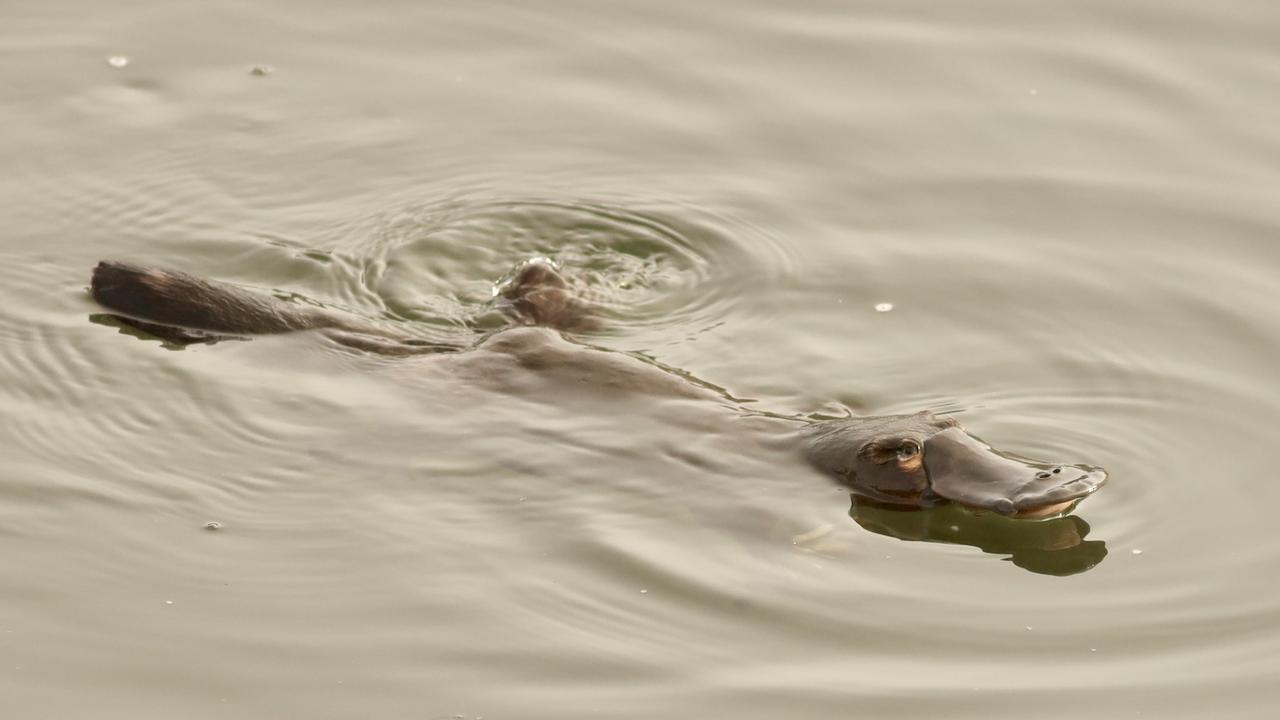
In worst-case scenarios, more yabbies are then attracted to the animals’ rotting flesh, creating a vicious cycle.
In a notorious case at Labertouche Creek east of Melbourne, five platypus were found drowned in two traps in 2017. The nets were subsequently banned from sale in the state in 2019.
NSW followed suit in 2021 – but in 2022, four platypus and a rakali were discovered in a single trap near Dorrigo in the state’s north, prompting calls for harsher penalties to discourage use.
The Australian Platypus Conservancy published an analysis of 400 platypus mortalities between 1980 and 2024 that showed drowning in nets accounted for 55 per cent of fatalities.
Neil Andison, who runs Platypus Whispers tours in the Sunshine Coast hinterland town of Maleny, has been writing to politicians across the state for a decade.
That includes his local MP, Queensland Environment Minister Andrew Powell, whose office did not respond to AAP’s questions, instead directing inquiries to Primary Industries Minister Tony Perrett.
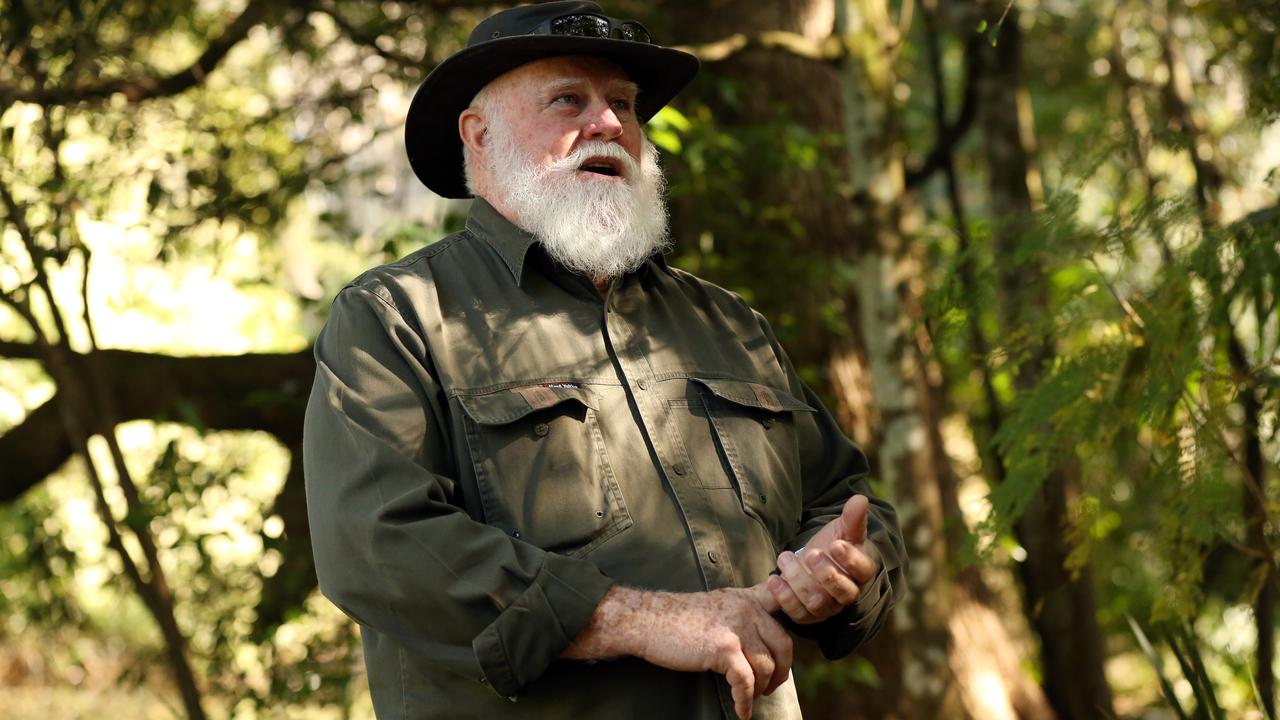
Mr Andison says he is mystified by the delay after the government’s survey showed 35 per cent of respondents in favour of an immediate ban and a further 30 per cent wanting a phase-out.
“The public have spoken – let’s do it. But I can’t see that happening while I’m still holding my breath,” he tells AAP.
“I’m flabbergasted, frustrated and quite angry because this is something that can be changed easily.”
In a statement to AAP, a spokesperson for Mr Perrett offered no clarity on when the issue would be resolved.
“This matter we inherited from the former Labor government is still under consideration, and as we committed to, any decisions made on fisheries are based on science, not ideology, unlike Labor,” the spokesperson said.
But David Bateman, secretary of recreational angling group Sunfish Queensland – which also wants opera house traps banned – says the issue goes back further.
“You could also say Labor inherited it from the previous LNP government. It’s been going on that long,” he tells AAP.
Regulations narrowing the entrance of opera house traps to five centimetres east of the Gore Highway in Queensland were introduced in 2015 to reduce bycatch.
But Mr Andison says they failed to solve the problem, as the most notable feature of the platypus – its duck-shaped bill – is about 4cm wide.
The government’s survey noted the voluntary withdrawal of opera house traps by some retailers had not reduced their use and they remained readily available online for less than $15.
It said the traps remained popular for redclaw crayfish, with some submissions suggesting banning the traps’ use on the state’s east coast only.
Redclaw are naturally distributed through the Top End and far north Queensland but have thrived after being introduced elsewhere in the state, where they are considered an invasive species outside their home range.
Queensland tourism websites still recommend opera house traps for the crayfish, which are so abundant there are no bag limits and any caught outside their natural range must not be returned to the water.
In November, independent MP for Noosa Sandy Bolton shared correspondence from Mr Perrett in which he told her Queensland had an active redclaw sector.
Wildlife Queensland’s senior platypus project officer Tamielle Brunt says the goal is not to outlaw yabbying, only to encourage enthusiasts to use equipment that does not ensnare other aquatic wildlife.
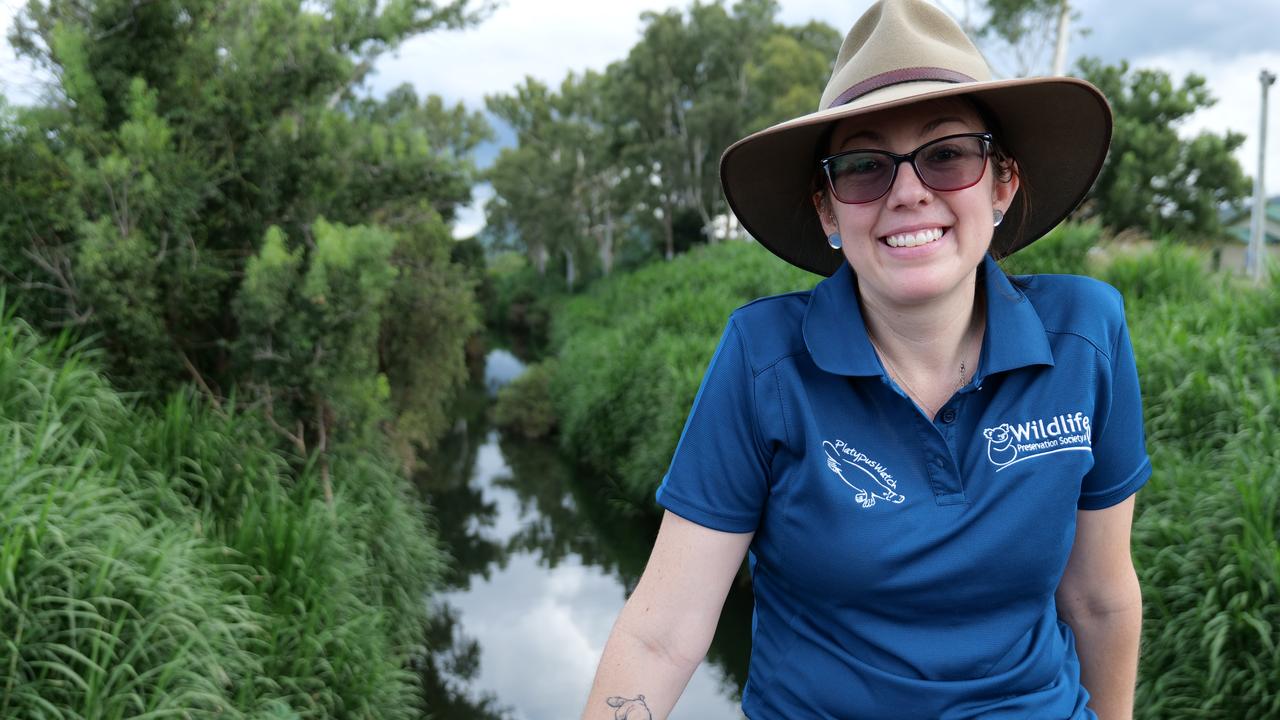
“We’re not talking about banning the practice; you can yabby to your heart’s content,” Dr Brunt tells AAP.
“To me it seems like a no-brainer.
“It should be a quick and easy win for conservation and the department, so I don’t understand what the hold-up is.”
AAP