House prices in freefall for sixth straight month
Jacob Shteyman |
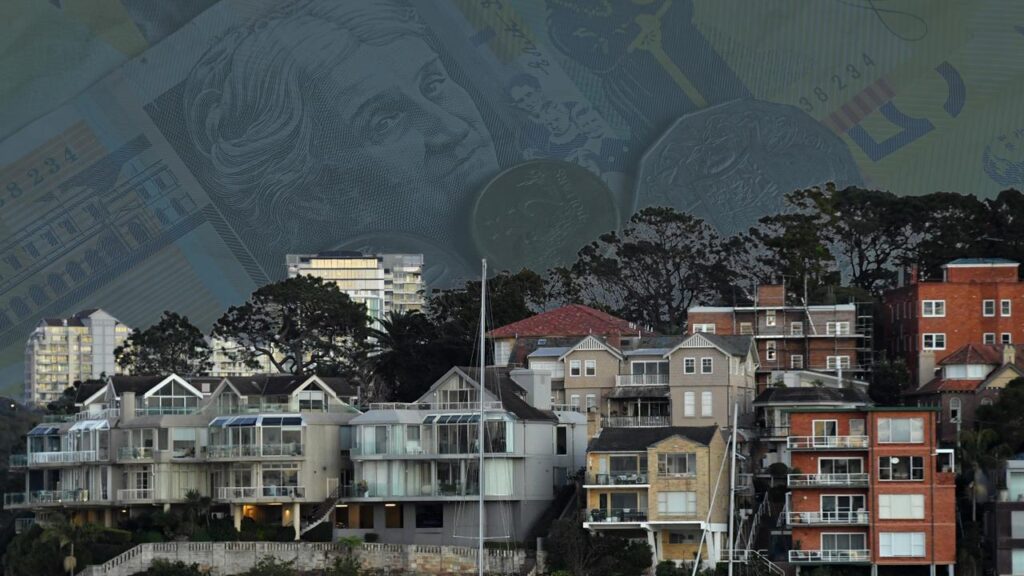
Australia’s housing downturn is on track to become the deepest of the past 40 years after a sixth straight month of nationwide declines.
National property values plunged 1.1 per cent in September, taking the total losses since the March peak to 5.2 per cent, data firm Cotality revealed on Thursday.
The median dwelling value fell to $899,236 – essentially back to where it was 12 months earlier.
Brisbane overtook Sydney as the city with the steepest monthly fall, down 1.5 per cent compared to Sydney’s 1.4 per cent.
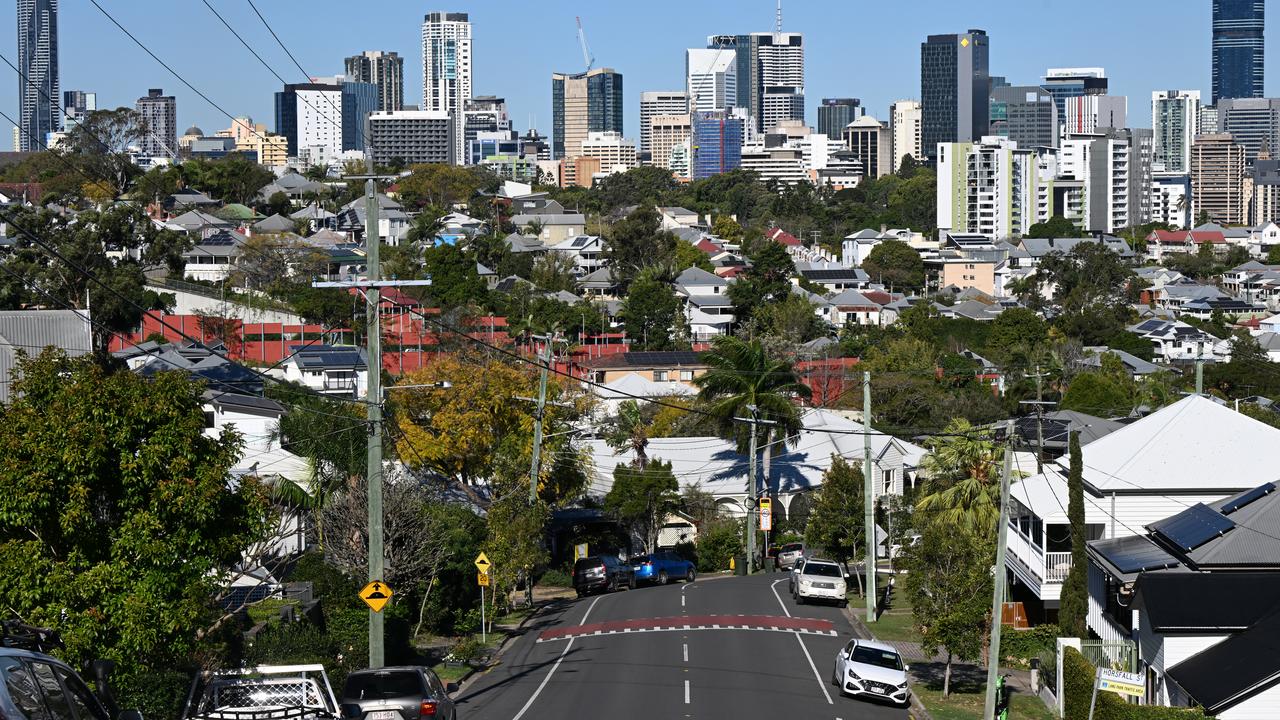
Sydney home values are now 8.6 per cent lower than their February peak.
The downturn is now deeper than at the same stage of the 2022/23 downturn, Cotality research director Tim Lawless said.
“This is just a little bit more rapid than what we’re seeing through that previous period of decline, which was one of the largest corrections on record,” he told AAP.
“But it was really short and sharp. I think this one’s quite sharp, clearly, but I’m not sure how short it’s going to be.”
Several market economists have already forecast property prices to fall by between nine to 13 per cent, from peak to trough.
But with more Reserve Bank rate rises a strong possibility and no cuts expected until at least late 2027, there’s a real risk the downturn could run even further, Mr Lawless said.
As interest rates continue to climb, the downturn is not only deepening. It’s widening too.
Over the three months to the end of September, 97 per cent of capital city suburbs were down in value.
While the lower quartile of the market was holding up stronger in the early stages of the downturn, pockets of resistance were increasingly disappearing.
“You could probably add to this broad-based downturn the fact that investors have become much less active than they used to be,” Mr Lawless said.
“And they do tend to be much more active around that middle-to-lower end of the market.”
While rising interest rates were having a larger influence on prices, Labor’s curbs to investor tax breaks in the federal budget were also having an impact.
“Once the dust finally settles, maybe around the middle of next year, then fresh home buyers will probably be in a situation where housing is more affordable and there’s less competition with investors,” Mr Lawless said.
“So on that framework, then yeah, I think the budget would have done what it set out to achieve.”
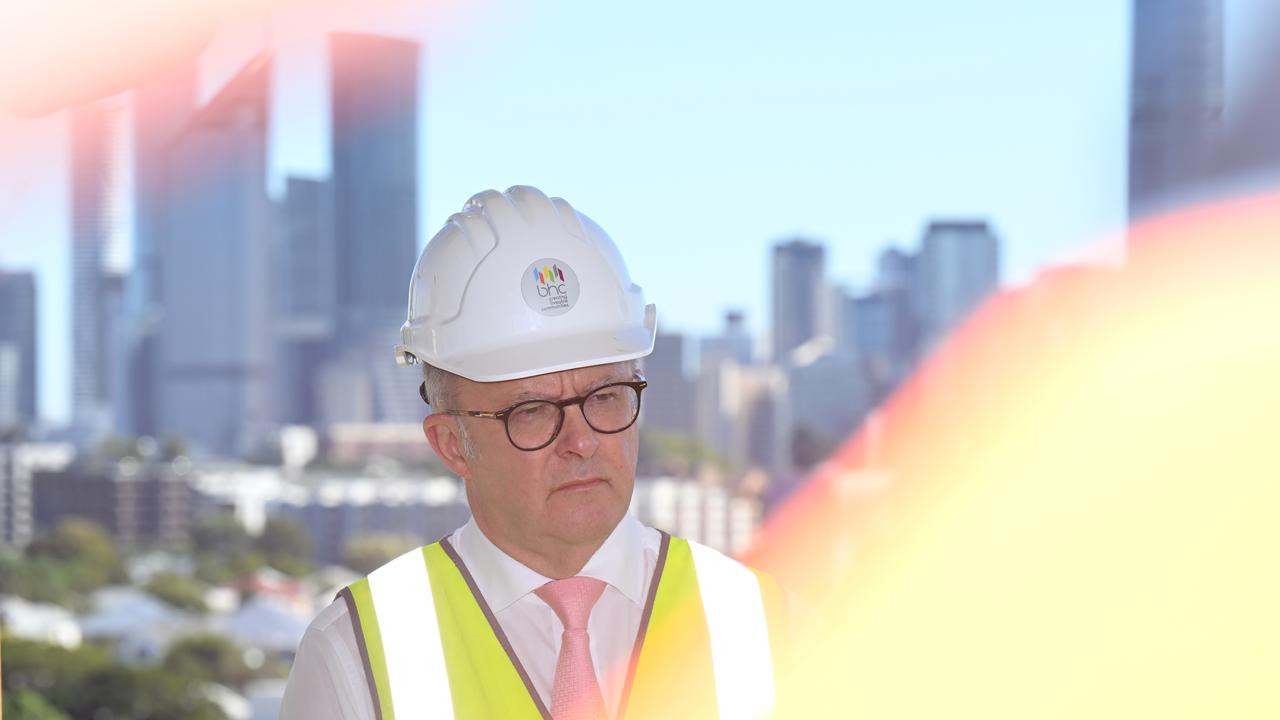
Labor’s expansion of the five per cent deposit scheme was likely having the opposite impact on prices, by buttressing demand among first home buyers.
Since it was uncapped one year ago to the day, more than 102,000 first home buyers have made use of the scheme, Prime Minister Anthony Albanese revealed.
“This scheme is helping Australians, particularly young Australians, get their foot in the door and achieve the dream of home ownership,” he said in a statement.
But for Australians who still can’t afford to buy a home of their own, the tax changes were expected to push rents up, as investors left the market.
However, inflation data released by the Australian Bureau of Statistics on Wednesday showed rents have stabilised, rising 3.6 per cent in the 12 months to August – a rate of growth that has been unchanged since May.
A rebound in the rental vacancy rate from a record low 1.5 per cent to two per cent – due to larger household sizes and lower migration levels – was helping take some heat out of the market, Mr Lawless said.
AAP