Country has access to best AI safeguards: top cyber spy
Will Nicholas and Lucinda Garbutt-Young |
Australia has access to some of the best artificial intelligence safeguards in the world and should be using them to help the rest of the world, the nation’s top cyber spy says.
Abigail Bradshaw, Australian Signals Directorate director-general, said her team had been working with non-publicly available AI software for more than six months to strengthen government systems – something many other developed countries had not been able to do.
The ASD had access to private security measures to ensure the 2026 census was secure, and was now helping other government departments, she told ABC News Breakfast on Wednesday.
“Australia can participate in developing new norms, new behaviours, and new protocols which are beneficial to Australians and are shaping norms which will impact people around the world,” she said.

Her directorate had been working with other Five Eyes countries since June to ensure Australia was on the frontier of security movements.
The comments came after every government department was ordered to fast-track throwing away old cyber systems to mobilise against malicious artificial intelligence.
The directive to start a rapid stocktake and refresh comes days after a Medicare portal became the first known Australian government system to fall victim to an AI hack.
The break-in occurred on June 18, but made global headlines when Prime Minister Anthony Albanese informed the public on Thursday.
It took five days for ASD to receive word of the Medicare breach after OpenAI’s notification landed in a public social services department inbox on September 10.
The home affairs department-driven push to mothball old systems announced on Wednesday tracks with a sweeping government cybersecurity overhaul slated for completion by 2030.
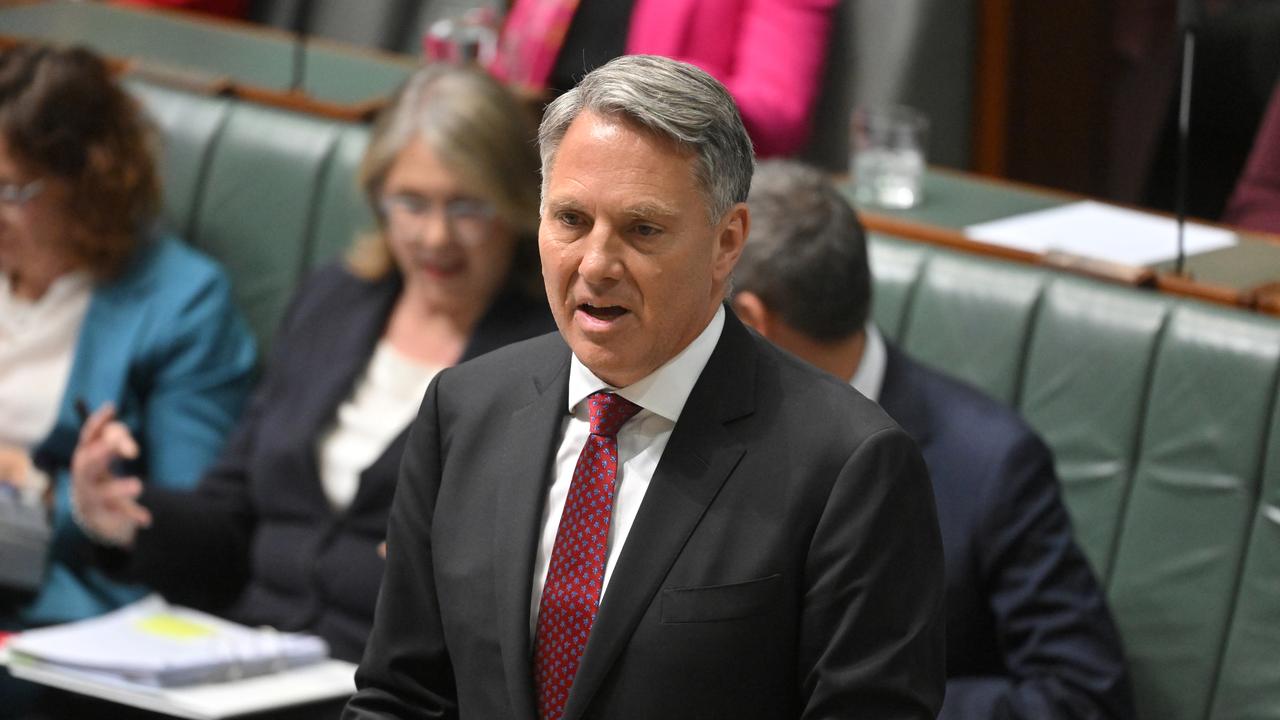
Government systems “need to keep up”, acting Home Affairs Minister Richard Marles said in a statement.
“We can’t wait for an old system to fail before replacing it,” he said.
“We need to identify vulnerabilities and deal with them before they can be exploited.”
More important systems will go under the knife first. Ms Bradshaw urged government departments to turn off any platforms that did not need to be online, which may mean Australians do not have access to old sites.
In May’s budget, Labor earmarked $160 million to upgrade Services Australia’s cybersecurity, and since the Medicare breach has pledged to accelerate decommissioning ageing platforms.

The government was wrestling with an array of systems needing protection against a new, far-reaching threat, former Australian Federal Police high-tech crime centre head Nigel Phair told AAP.
For the sake of feasibility and transparency, it was useless to try and put everything in a locked box, he argued.
“The reality is you can’t secure all data. You don’t have the time, the money or the effort,” Mr Phair said.
He said government systems were “probably more antiquated than you think”, and stressed firming them up was not a box-checking exercise.
“(Improving defences) is easy to say, harder to implement … cybersecurity is not a binary yes or no,” he said.
AAP