‘It’s always there’: high cost of chronic pain on kids
Sarah Spina-Matthews |
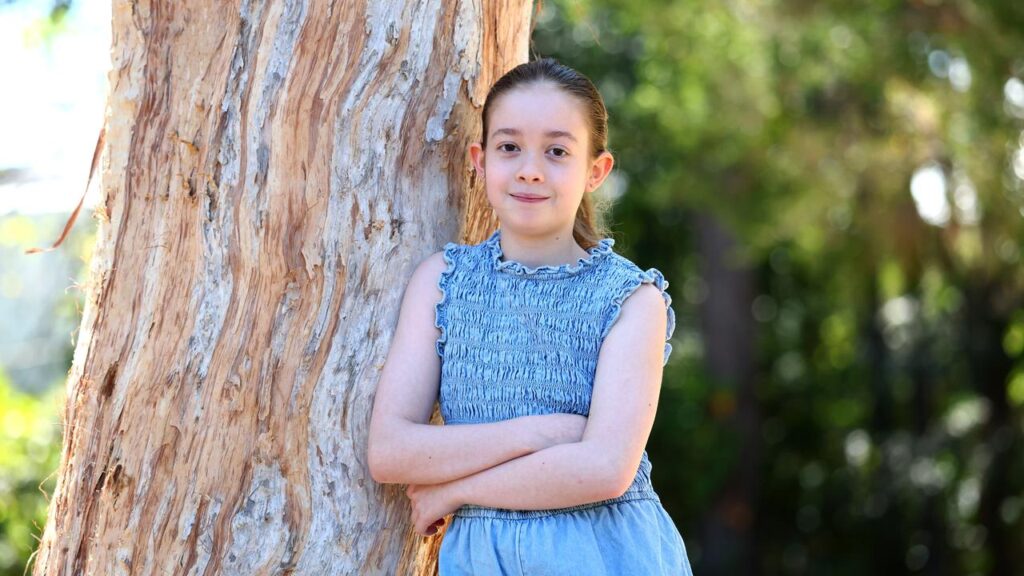
Aged just three, Bria was diagnosed with a condition that means she will be in near-constant pain for the rest of her life.
The now-11-year-old from Brisbane lives with the connective tissue condition Hypermobility Spectrum Disorder, which means her joints move beyond the normal range, causing inflammation and making her highly prone to injuries.
Although Bria’s disability is largely invisible, she says it impacts almost every aspect of her life.
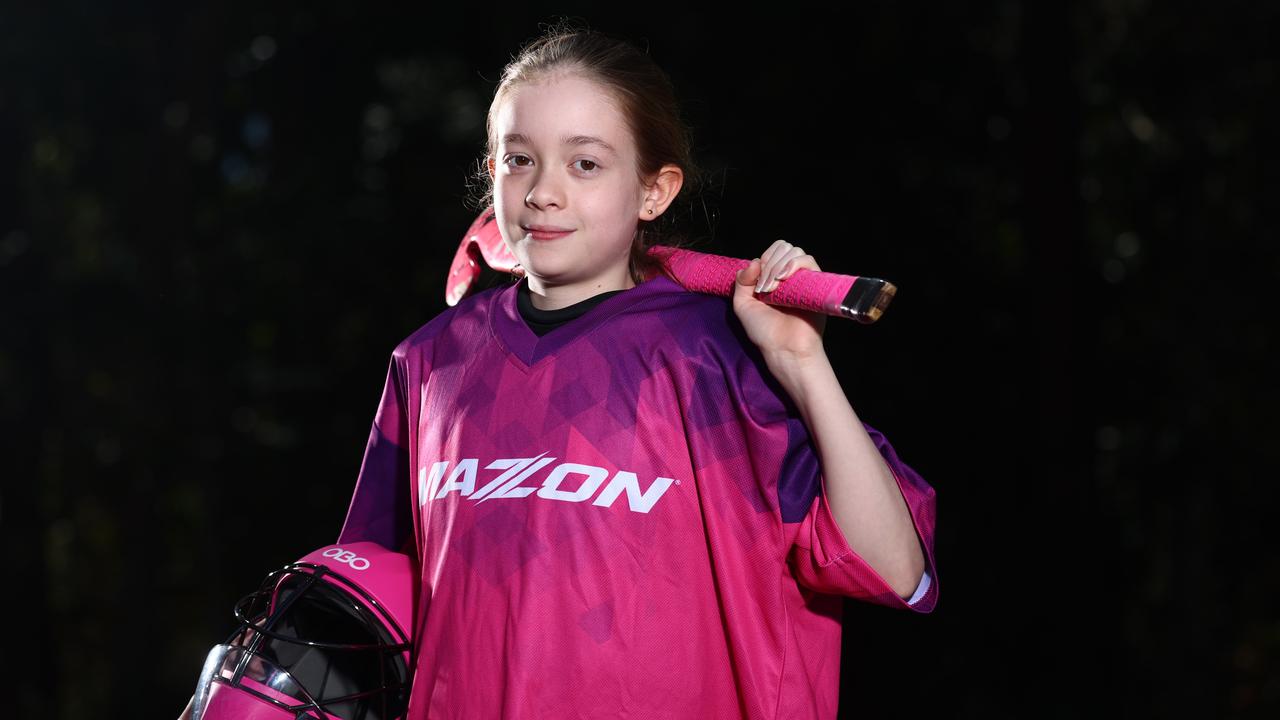
Her school attendance is about 80 per cent for the year and sometimes she has to skip her beloved co-curricular activities – hockey and dancing.
“There are some days that are too much for me to do activities or focus on learning because my pain level’s too high,” she said.
Bria participated in a new Chronic Pain Australia study that found more than three-quarters of Australian kids with chronic pain conditions were missing school as a result.
The 2026 Kids in Pain Report: Pain Lives Here Too found more than 80 per cent of children said pain disrupted their sport or extracurricular activities and roughly the same number said it impacted their sleep and mental health.
Like Bria, more than half of the children surveyed started experiencing symptoms by age 10, and almost a quarter by the age of five.
Bria’s mum Theresa said they were fortunate their GP had taken her symptoms seriously from the beginning, so she was able to obtain her diagnosis and support to manage her symptoms early.
“If we didn’t, I don’t know if we would be in the same place we are today,” Theresa said.
“Which doesn’t mean it’s easy but we at least have the education and the knowledge around what we need to do and where we’re heading.”
However, the study, which drew on the experiences of 275 children, young people, parents and carers, found many were not as fortunate.
More than 60 per cent of kids reported symptoms being ignored or dismissed and more than two thirds reported being told their pain was just anxiety.
Almost 40 per cent of those with a formal diagnosis had waited three years or more to receive it.
Chronic Pain Australia chair Nicolette Ellis said the findings, released to coincide with Kids in Pain Week from Monday, showed an urgent need for more awareness of chronic pain conditions in children.
“Childhood should be shaped by learning, friendships, sport, sleepovers and simply having the freedom to be a kid,” she said.
“But too many children with chronic pain are losing years to a system that does not recognise their pain early enough or connect families with the care and support they need.”
Although her friends, family and teachers have been very supportive, Bria said her condition was often misunderstood.
“The pain is always there and just because you can’t see it doesn’t mean it’s not there,” she said.
Lifeline 13 11 14
Kids Helpline 1800 55 1800 (for people aged 5 to 25)
AAP