‘Doing what we want’: Labor stands by housing tax moves
Jacob Shteyman |

Changes to property tax breaks in the federal budget are working, the housing minister says, as data shows most home vendors are still making massive profits despite a downturn.
Clare O’Neil brushed off figures from the Housing Industry Association showing a 10 per cent fall in new homes sales in August, arguing Australia’s housing market was broken before the budget.
Property industry groups continue to attack the tax changes, which they say have caused developers to retreat from the market and impacted new supply.
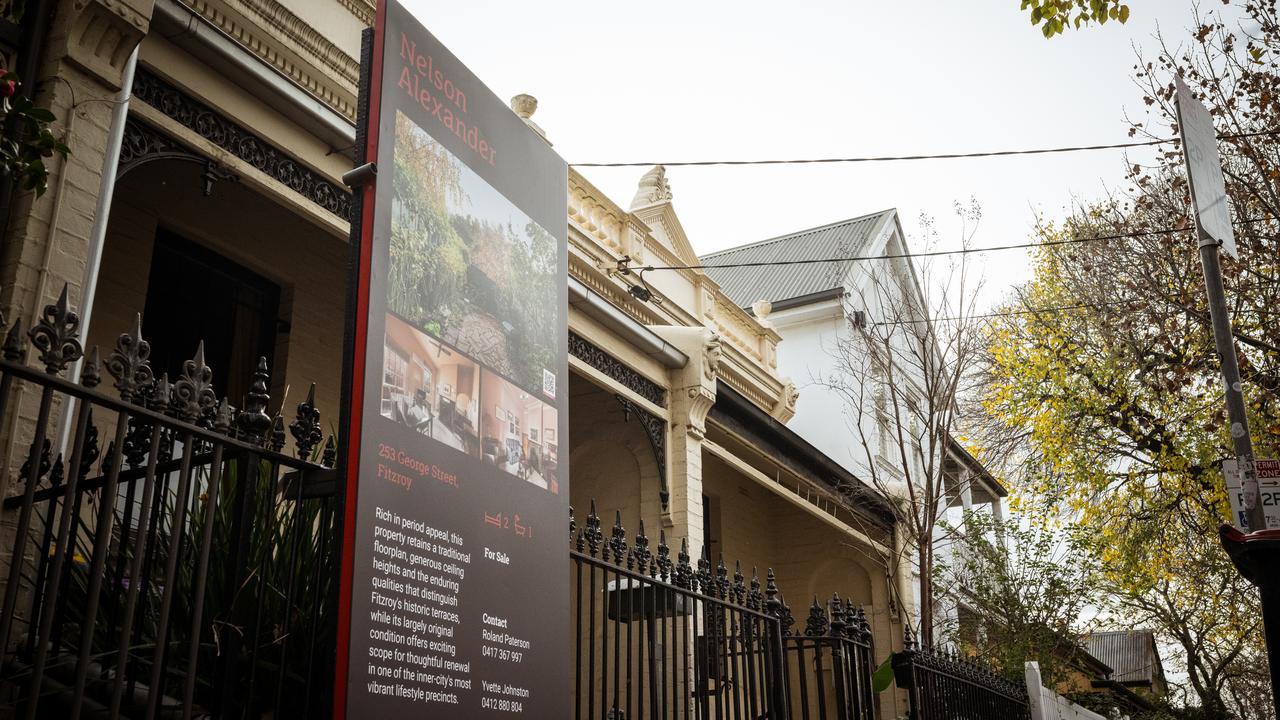
But the new home sales figures did not paint the full picture, Ms O’Neil said.
“There’s lots of data that tells us that the tax changes are doing exactly what we want,” she told Channel Seven’s Sunrise program on Wednesday.
Housing approvals were still rising, more investor home loans were going into new supply and the dollar value of investment in new builds was at record levels, the minister said.
Over time, the changes in the budget would also help boost supply, Ms O’Neil said.
But a ban on self-managed super funds from borrowing to buy property was undermining new supply, Housing Industry Association managing director Jocelyn Martin said.
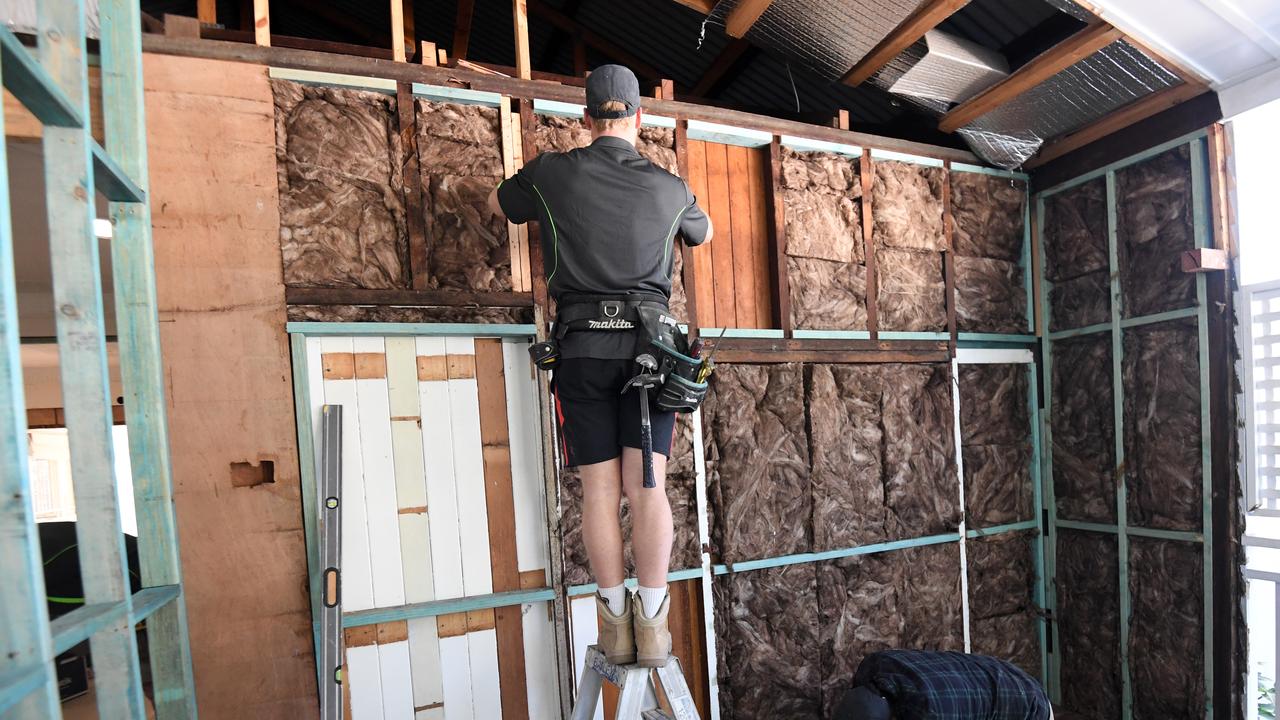
Extending carve-outs for new builds – which are already available for negative gearing and capital gains tax changes – to limited recourse borrowing for SMSFs would help investors stay in the market and limit rental growth, Ms Martin said.
But the broader downturn was having an impact on feasibility, regardless of any concessions for new supply.
National dwelling values declined 1.5 per cent over the June quarter, according to data provider Cotality.
However, years of strong growth – prices were still more than 67 per cent higher than six years earlier – mean most homes are still being sold for a hefty profit.
In the June quarter, 95.4 per cent of sales made a gain, down from the 21-year high of 96.1 per cent share recorded in the three months to March.
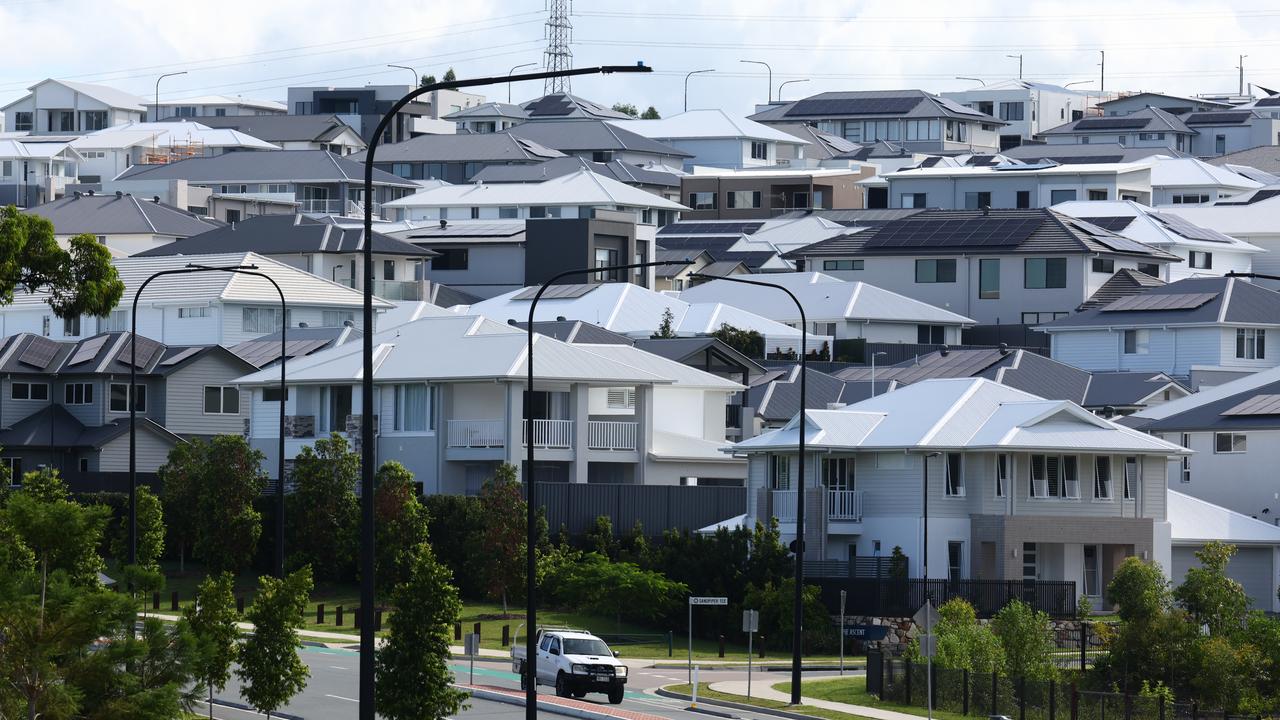
Vendors rake in a combined $35.9 billion in profit in the quarter.
“Profitability is still exceptionally high by historical standards, but we are starting to see the impact of weaker housing market conditions flow through to resale outcomes,” Cotality head of research Gerard Burg said.
“Most sellers are still benefiting from the significant value growth accumulated over the past five years, which is providing considerable protection against the early stages of the downturn.
“With home values falling across more markets, that buffer will become increasingly important in determining resale outcomes.”
Home owners who held onto their property for a longer period of time were better able to ride out the cyclical ebbs and flows.
“Owners who have held their property for nine or 10 years have generally experienced several periods of value growth, giving them a much larger equity buffer when market conditions weaken,” Mr Burg said.
Houses that sold for a profit were held for a median 9.3 years, compared with the typical holding time of 4.4 years for loss-making house resales.
Overall, 97.8 per cent of houses were sold for a profit, underscoring the growth advantage of freestanding homes over units. Only 90.5 per cent of unit sales made a profit.
Sydney was still the top money spinner in dollar terms, with a total profit of $6.6 billion.
But the proportion of sales that made a profit eased to 92.7 per cent, well below Brisbane which recorded a profit in 99.8 per cent of sales.
Nationally, the median gain eased from a record $378,000 to $371,000, while the median loss increased from $44,000 to $45,000.
AAP