Murderer’s gag order lifted after ‘troubling’ AI error
Ethan James |
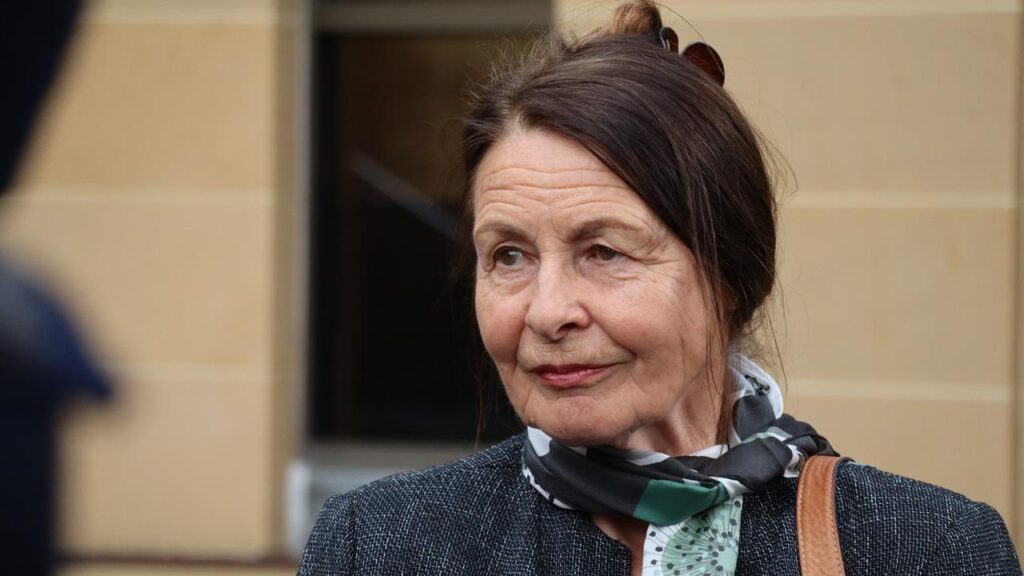
Convicted murderer Susan Neill-Fraser has vowed to keep fighting to clear her name after a parole “gag order” put in place on the basis of fake AI information was lifted.
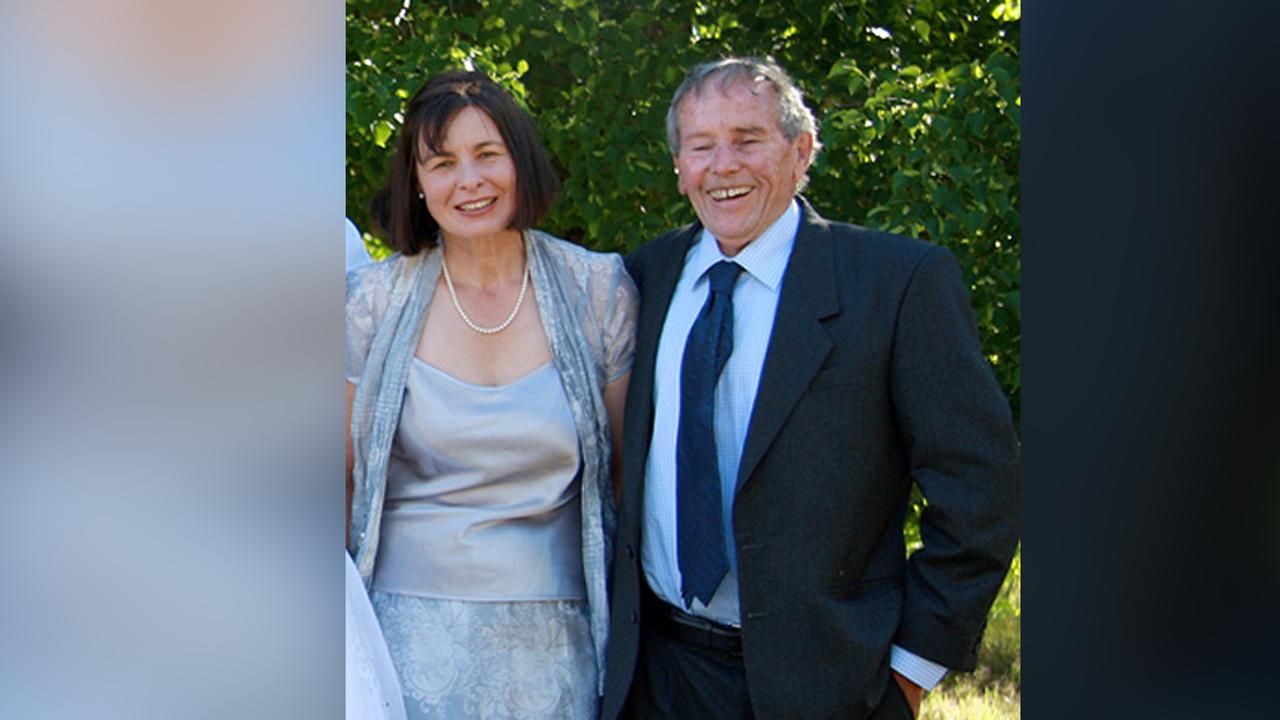
The 72-year-old grandmother was released from prison on parole in 2022 after serving 13 years for killing partner Bob Chappell on their yacht moored off Hobart on Australia Day 2009.
But she had been unable to speak publicly after Tasmania’s parole board placed a condition on her release in 2024.
It prohibited her from communicating directly or indirectly with media to claim alleged innocence or a wrongful conviction.
The condition was tweaked in 2025 to prevent her from communicating directly or indirectly – including through third parties and written statements – with media about her alleged innocence, wrongful conviction or to dispute the legitimacy of her conviction or sentencing.
The condition was formally lifted by the Supreme Court of Tasmania on Tuesday after a legal challenge by Neill-Fraser.
A “rationale document”, created by state parole board secretary Ben Hancock and relied upon by the board in creating the conditions, included erroneous AI information, the court was told.
The document identified cases Mr Hancock said supported the decision to impose the conditions, Neill-Fraser’s lawyer Patrick Coleridge said.
“As we now know, those cases didn’t exist,” he said.
References in the document to other examples of similar conditions were “AI hallucinations”, he said.
Speaking to media outside court, Neill-Fraser said her legal challenge against the condition was not about causing anguish to others.
“I’m so grateful for all the support I have received from countless people,” she said in a prepared statement.
“I have always maintained my innocence and I am continuing in my quest to clear my name and advocate for the broader issue of wrongful convictions in Australia.
“I cannot walk away from that.”

Neill-Fraser, who has launched multiple failed court appeals against her conviction, declined to say what her next avenue may be.
The parole board decided to withdraw the condition in August and did not contest it being set aside on Tuesday.
Attorney-General Guy Barnett said he would write to the head of the board seeking an explanation about how inaccurate information was produced.
“I will be seeking assurances around how the board will ensure this doesn’t happen again,” he said.
“At my request, the secretary of the Department of Justice will also reiterate to department employees they must comply with the AI use policy.”
Justice Stephen Estcourt found the condition was made without procedural fairness, was legally unreasonable and was filled with uncertainty.
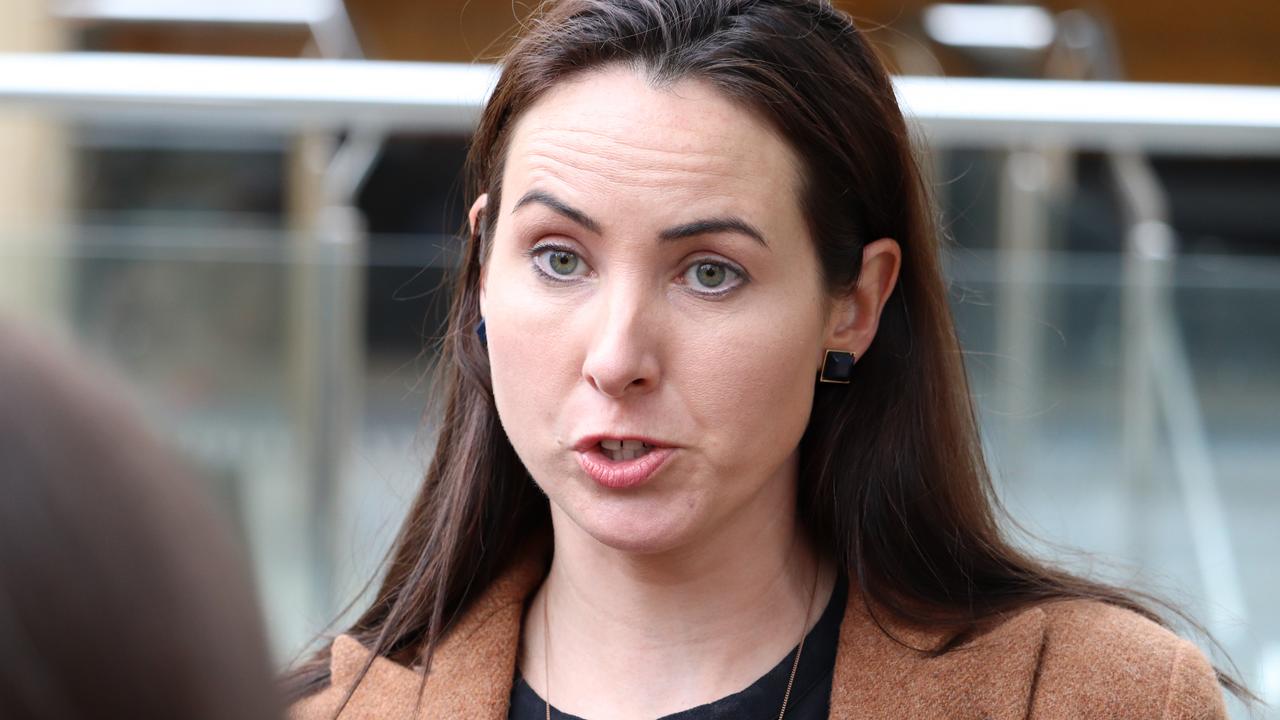
Mr Coleridge said the board didn’t meet with Neill-Fraser before imposing the conditions and had refused to provide reasons about why they had been imposed.
In November 2024, Neill-Fraser was informed by a parole officer that a media outlet wanted to run a story about her case and interview her.
Mr Coleridge said it was later discovered AI had been used in the document but the board “allowed obviously unlawful conditions to remain in place for two years”.
The board also failed to provide reasons why the conditions had been lifted, Mr Coleridge said.
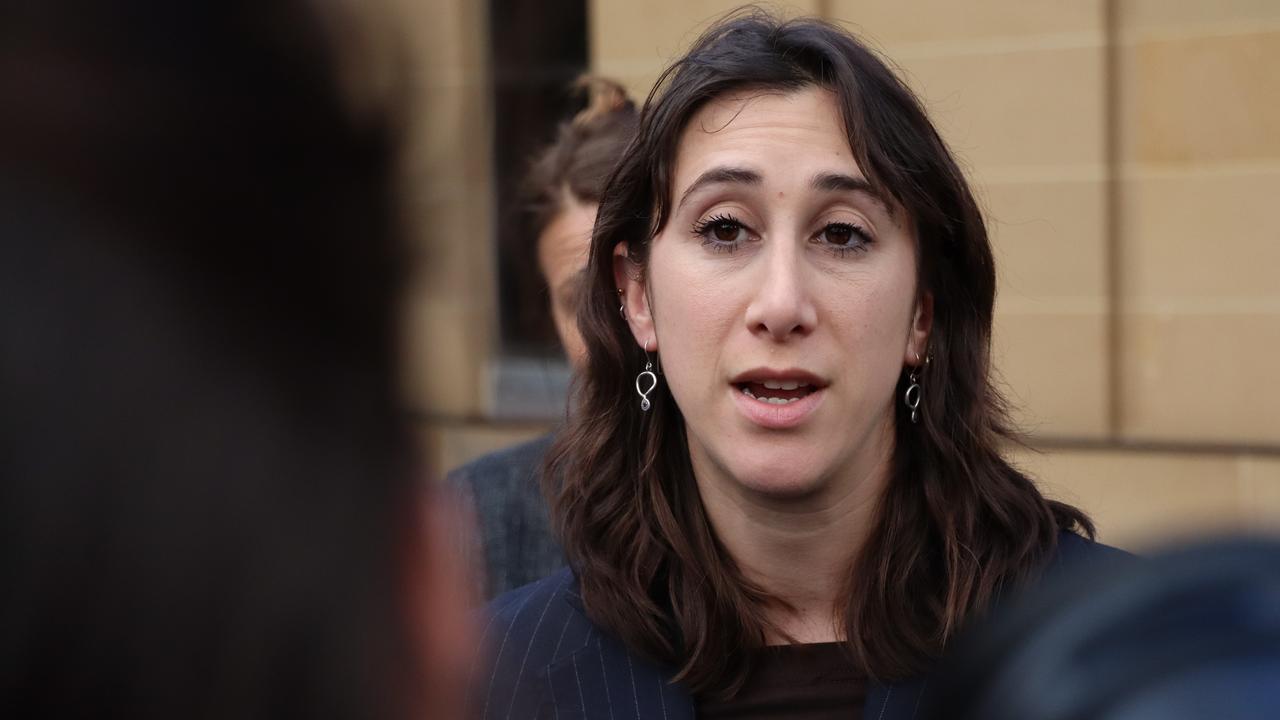
Sarah Schwartz, legal director at the Human Rights Law Centre which represented Neill-Fraser, said the case revealed serious deficiencies and was deeply troubling.
“Sue’s case reveals that parole should not prevent a person from being able to speak on matters of public importance,” she said.
Neill-Fraser was initially sentenced to 26 years’ jail in 2010, after she was found to have attacked Mr Chappell on their yacht.
She was found to have dumped his body, which has never been found, in the River Derwent.
Her daughter Sarah Bowles, as well as federal MP Andrew Wilkie and former Tasmanian premier Lara Giddings, have unsuccessfully pushed for an independent inquiry into the case.
Neill-Fraser’s supporters argue the police investigation was flawed and the trial did not follow legal requirements.
AAP