‘Social distancing’ plea for birds as flu hits Sydney
Callum Godde |
Australians have been encouraged to redouble efforts to stop the spread of H5 bird flu after its arrival in another major city.
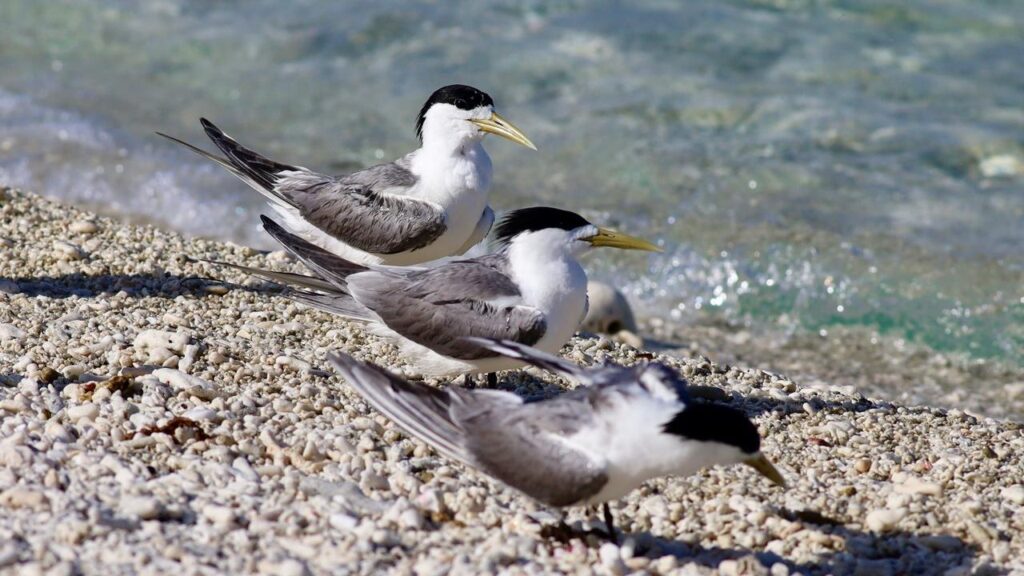
Testing of a greater crested tern found at Warriewood on Sydney’s Northern Beaches has returned a positive result for the deadly strain.
It is the first confirmed case in Sydney among three new H5 bird flu events in NSW, following samples from another greater crested tern at Port Kembla and a Hutton’s shearwater at Corindi in Coffs Harbour.
The strain has previously been detected in widespread parts of Adelaide, Melbourne suburbs of Black Rock, Beaumaris, Sandringham and Oak Park and at Acton Park in Hobart.
Events have also been recorded at Moreton Island off the coast of Brisbane and at Mullaloo, a northern coastal suburb of Perth.
It was inevitable that an H5 infected bird would be found in Sydney, BirdLife Australia senior advisor Sean Dooley said.
“There had been individual cases further north of Sydney,” he told AAP.
“It was only a matter of time.”
As of Wednesday, 468 events of H5 bird flu had been detected across Australia with 20 originating in NSW, where the government continues to vaccinate vulnerable species.
Bird flu reporting is now based on events, rather than individual animal detections and might involve one or more animals.
NSW Agriculture Minister Tara Moriarty said there were still no deaths involving poultry birds in the state.
A chief veterinary officer recommendation for the poultry industry to house birds remains voluntary.
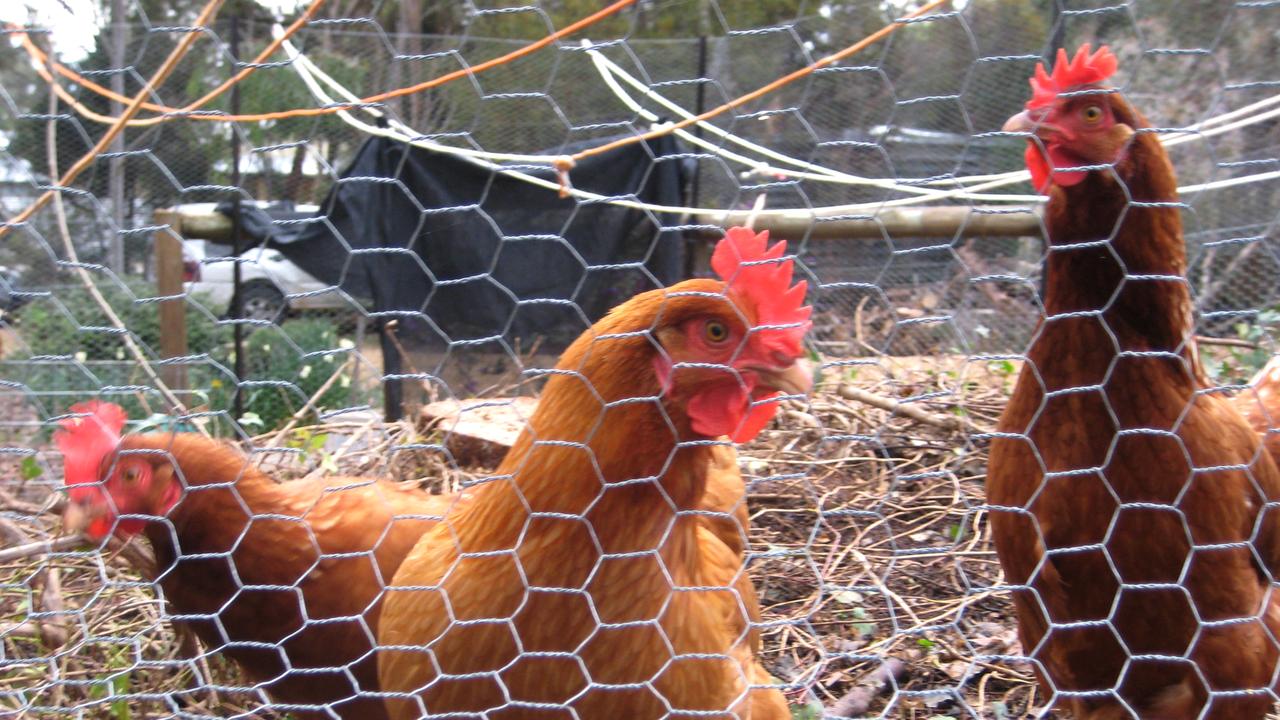
“Now is the time for everyone who has backyard chickens or pet birds in aviaries to take precautionary steps to ensure there are no interactions between their chooks and pets with wild birds,” Ms Moriarty said.
Infected birds can transmit the virus through body fluids, droppings and feathers.
Aviaries should be fenced with a fine mesh and have a covered top to avoid outside bird droppings, Sydney Animal Hospitals’ veterinarian Bec Cassilles said.
“The free range chicken thing is a little bit difficult to maintain safety at this stage,” Dr Cassilles said.
Transmission to cats and dogs overseas has predominantly occurred through eating infected tissue.
Cats should be kept inside and dogs walked on a leash, particularly in waterway areas and costal regions, Dr Cassilles said.
Food and water sources for pets should also be kept inside to avoid possible contamination and Dr Cassilles recommended people not feed wild birds.
“I know a lot of us love to do that particularly as the weather warms up, but we don’t want to bring a lot of birds into close proximity,” she said.
“We want them to practice social distancing as much as possible.”
Authorities maintain the risk to human health remains low but the public are advised not to touch sick or dead birds or other animals and instead call the Emergency Animal Disease Hotline on 1800 675 888.
“If it’s just individual birds, it’s like an ember attack in a bushfire,” Mr Dooley said.
“If we can snuff out that ember at the source, then it doesn’t spread.”
Australia was the last continent in the world to have H5 bird flu after it was first detected in June.
AAP