Short-term carbon credits used for long-term pollution
Jennifer Dudley-Nicholson |
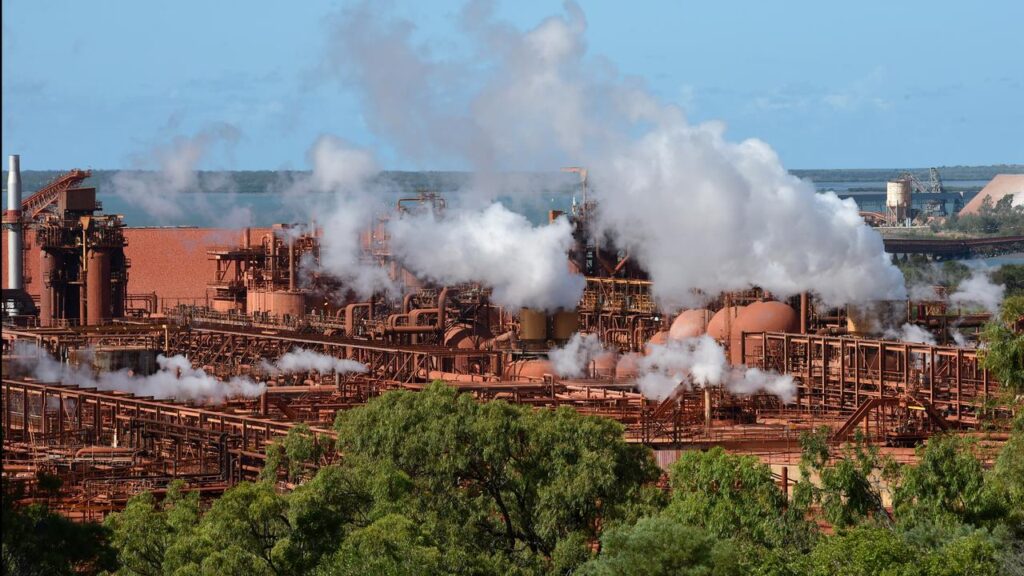
Australia’s biggest polluters are buying carbon credits that may not last as long as the emissions they offset, a review has found, prompting calls for greater scrutiny.
The Climate Change Authority issued the finding on Tuesday in its fifth review of the Australian Carbon Credit Unit Scheme, which stopped short of calling for major reform.
The report comes as parliament considers separate changes to the carbon credit scheme following the 2022 Chubb Review, and as the government reviews emission limits for industry under the Safeguard Mechanism.
Australia’s carbon credit scheme, established in 2011, provides rules for projects that cut emissions or store carbon to generate credits.
Each credit represents one tonne of greenhouse gas emissions, and large industrial polluters can purchase the credits to meet their environmental obligations.
The Climate Change Authority review found the scheme was fundamentally sound but that it had evolved, as heavy polluters made up 80 per cent of carbon credit demand.
Their growing use of the scheme could be a concern, Climate Change Authority chief executive Kath Rowley said.
“They use those credits to offset excess emissions under the Safeguard Mechanism,” she said.
“That raises new questions, including whether credits from some carbon storage projects are sufficiently durable to be used for safeguard compliance.”
A growing number of carbon credits used by large polluters also came from projects with 25 rather than 100-year carbon storage commitments, the report found, which may not be long enough to offset industrial emissions.
Credits from 25-year projects represented more than one in five of those surrendered under the Safeguard Mechanism in 2024/25, it said, and the government should consider whether they met emission-reduction goals.
The review also recommended changes to prioritise projects that benefit public and First Nations people, improve project transparency, and provide a road map for new carbon credit methods.
The scheme needed to remain stable and predictable for businesses, Ms Rowley said, but could be improved.

“Carbon credits will remain important but play a more targeted role,” she said.
“The government should signal where it considers credits the right tool and where other policies are a better fit.”
The government would consider a response to the recommendations, Climate Change Assistant Minister Josh Wilson said, while pursuing changes currently before the parliament.
“These reforms will further strengthen this high-integrity scheme and provide stability for the vital function our carbon market makes as it continues to grow and mature,” he said.
AAP